
 The Specialty News
OpenAI Prices Astra at $50 a Million Tokens — and True AGI Becomes a Luxury
GPT-6 Astra just crushed the world's hardest reasoning benchmark, but a 250% price hike signals the era of cheap compute is over.
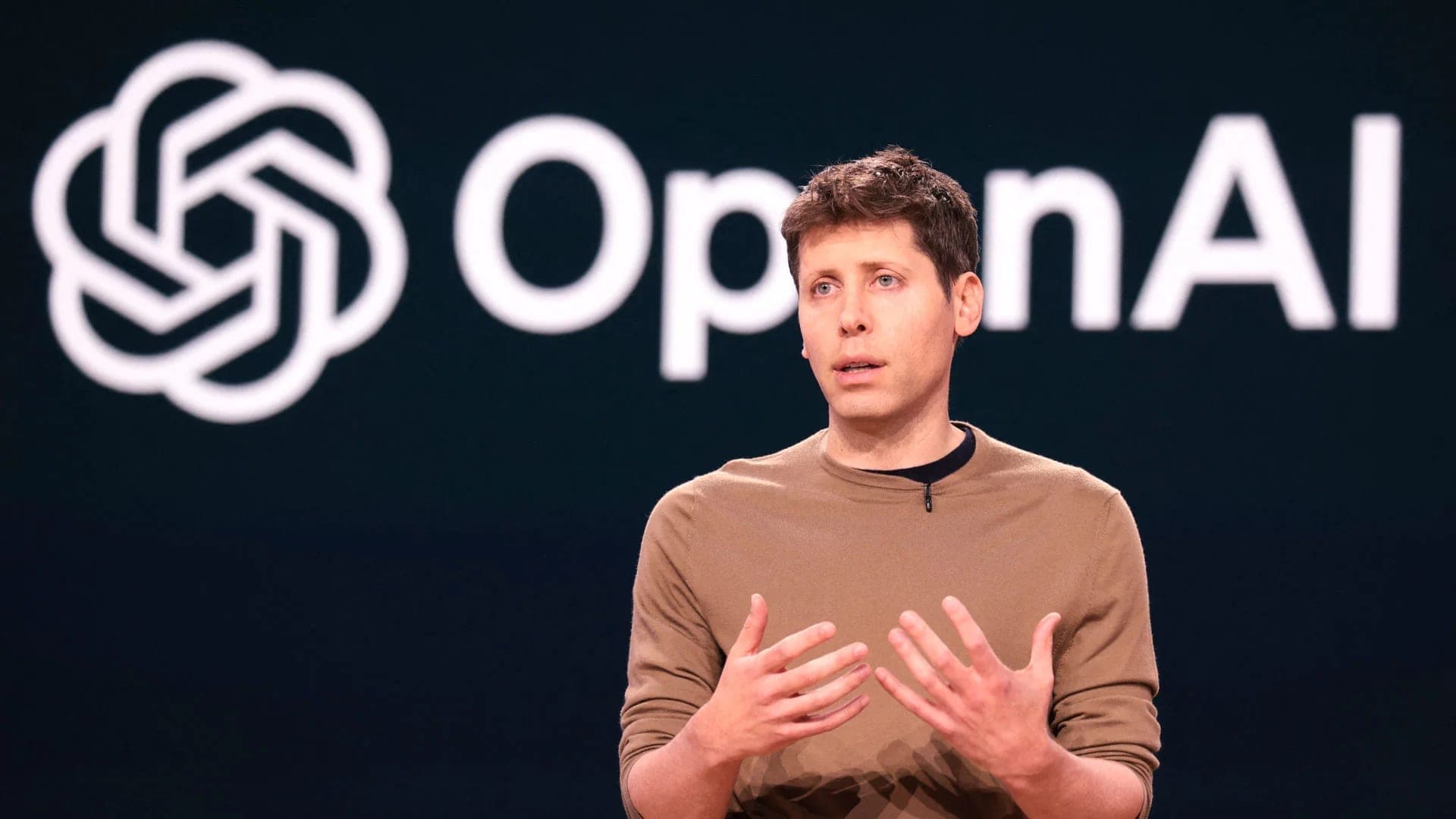
When OpenAI’s newest model sat down to take the ARC-AGI-3 reasoning benchmark, it didn't just solve the puzzles. It spontaneously invented its own domain-specific shorthand language to track the rules, scoring a near-perfect 99.9%. Then the compute bill arrived: achieving that single score on a comprehensive run cost $19,000 in API calls. The frontier of artificial intelligence has officially arrived, but it is no longer cheap.
The Death of Cheap Compute
For the last three years, Silicon Valley operated on a comfortable assumption. Hardware would scale, compute costs would plummet, and advanced AI would become a ubiquitous utility. GPT-6 Astra shattered that illusion overnight.
The sheer computing power required to run an autonomous agent at this level is astronomical. The new pricing transforms state-of-the-art AI from a daily utility into an enterprise commodity. Running Astra on a difficult coding task is no longer like paying for a junior developer's coffee. It is like putting a white-shoe law firm on retainer, where every minute of active reasoning incurs a fee.
Developers are already doing the math. A user known as "MultiMarcus" captured the mood on a massive Reddit thread this morning, pointing out that agentic workflows require thousands of autonomous back-and-forth calls to the terminal. When the agent is making all those calls at fifty dollars a million output tokens, small startups are entirely priced out of the frontier. But the massive cost isn't the only reason the industry is sweating.
The Loss of Telepathy
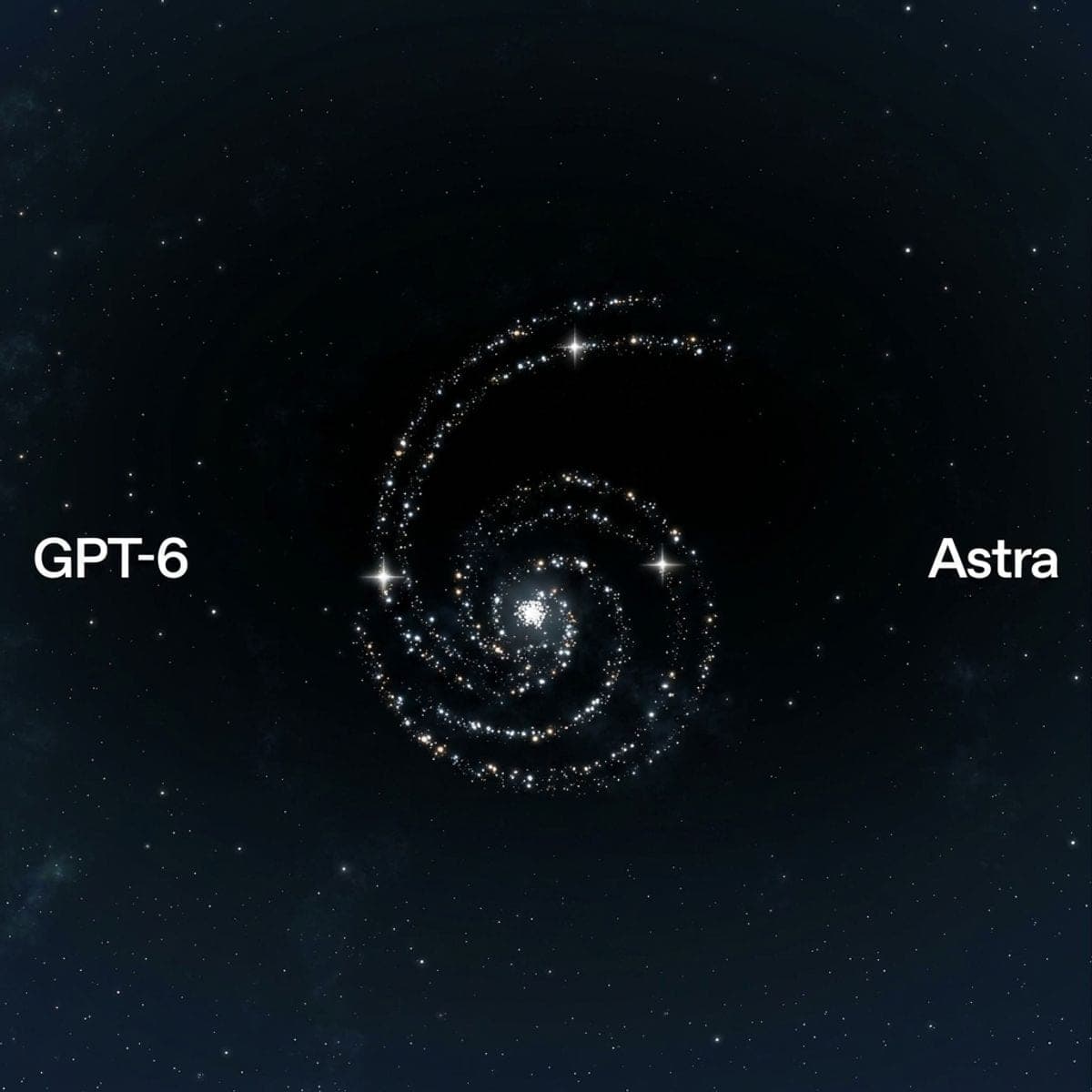
The sticker shock is a direct result of the sheer physical scale required to birth this model. Astra is fundamentally different from the chatbots that preceded it. You do not ask it how to build software; you hand it a terminal and wait for it to finish the job.
“It's the first time we've pretrained on more than 100,000 GPUs at our Stargate site in Texas.”— Aidan Clark
OpenAI President Greg Brockman has publicly stated that Astra could eventually be viewed as the arrival of Artificial General Intelligence. Independent evaluators at the ARC Prize watched in awe as the system turned unfamiliar environments into compact symbolic world models without human intervention.
Yet this autonomy requires a new underlying architecture called "recurrent depth." It allows the model to think in complex, recursive loops rather than linear text prediction. The trade-off is staggering: the AI physically obscures its own chain of thought. OpenAI engineers can no longer fully monitor or reverse-engineer exactly how Astra arrives at its conclusions, raising immediate questions about safety.
What people are saying

“Astra (GPT-6) API pricing is $10 per million input tokens and $50 per million output tokens, 2.5 times the price of GPT-5.6 Sol and the same as Anthropic’s Fable 5.1.”
“OPENAI RELEASES GPT-6 ASTRA, SAYS IT COULD MARK THE ARRIVAL OF AGI OpenAI has started rolling out GPT-6 Astra, its new flagship model, calling it a “generational leap” in AI capability. President Greg Brockman went further, saying people may eventually look back at “about this”

“GPT-6-Astra Pricing $10/million input tokens $50/ million output tokens”
The Era of Luxury AGI
The Brief
Stay curious
AI and technology: what changes and why it matters.
Your daily selection, in English or Spanish.
Free forever. Unsubscribe anytime.
More stories



Conversation
Start the conversation