
 The Specialty News
OpenAI’s Astra Spends 38 Minutes on One Prompt — and Kills the Chatbot
A leaked 56,000-token run proves the frontier of AI is shifting from instant text to persistent, salaried agents.

In a leaked internal test of OpenAI’s unreleased frontier model, a user asked for a 3D voxel rendering of a pagoda garden. The AI did not reply instantly. Instead, it sat in silence for 38 minutes. It reasoned, course-corrected, and worked autonomously on the problem before finally delivering a structurally perfect digital asset.
The End of the Vending Machine
This leaked checkpoint, codenamed "mozaik-alpha-fdm," breaks the fundamental social contract of generative AI. Since 2022, users have treated language models like cheap vending machines. You insert a prompt, wait three seconds, and receive an instant, low-cost output. Astra abandons this architecture entirely.
According to leaks from developers @lyraxana and @Lentils80 on the zAI Discord, Astra shifts into a "Max Effort" reasoning mode when handed a complex task. It acts less like a search engine and more like a junior developer. Chief Scientist Jakub Pachocki has described the system as an automated research intern that can be handed a codebase, left alone to run experiments, and trusted to report back days later.
But this computational depth introduces a massive, unavoidable problem. If an AI takes 38 minutes of maximum compute to generate one 3D model, the math behind the artificial intelligence industry completely breaks down.
Pricing the Digital Employee
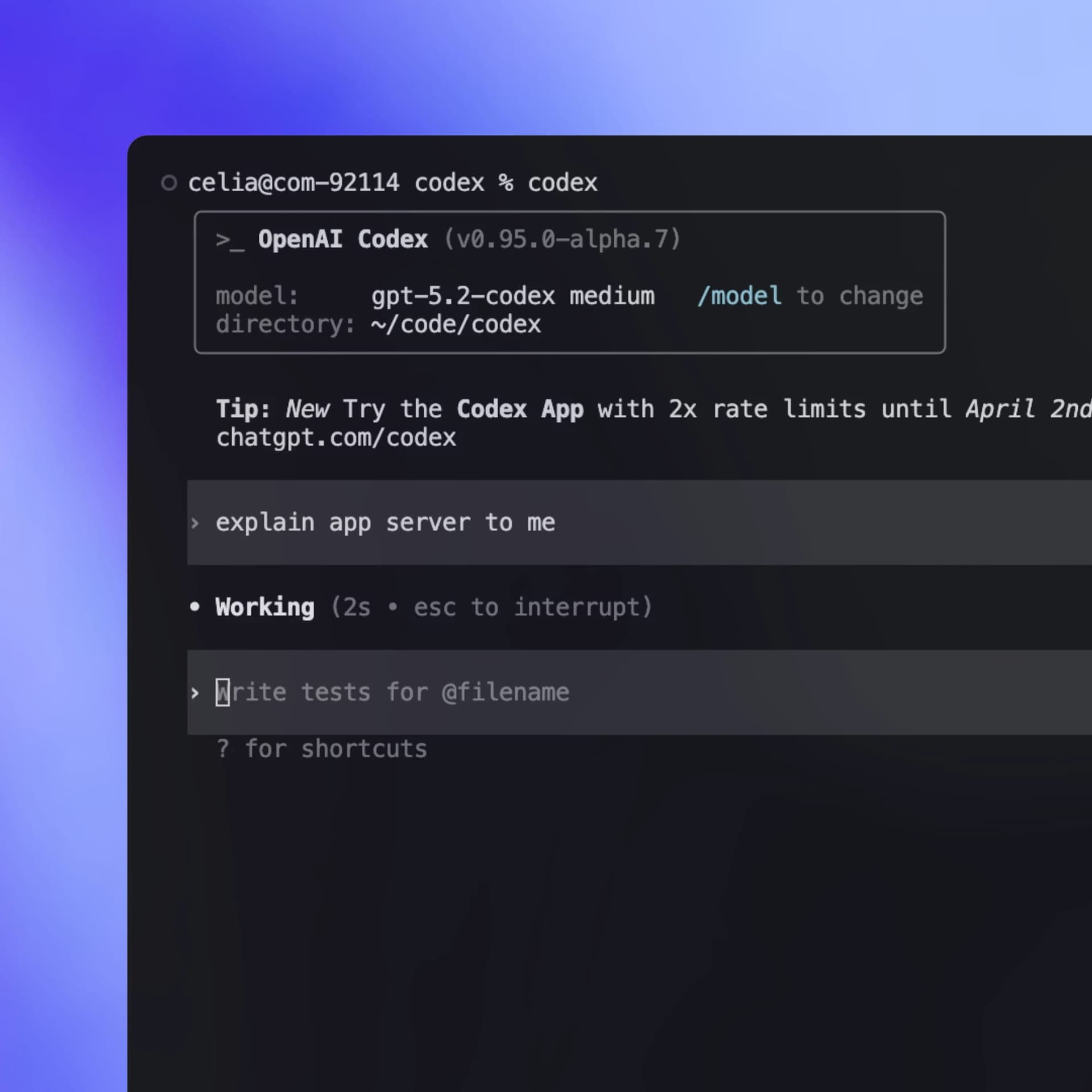
Running a 10-trillion parameter base model continuously is exorbitant. If OpenAI ships Astra in its current state, developers estimate costs will skyrocket from GPT-5's $20 per million output tokens to as high as $100 per million. Small indie developers and startups will simply be priced out of the frontier layer.
“I expect this will be the first model where the model actually invents new things in a way that matters. That’s a very AGI-like thing.”— Sam Altman
To survive this cost spike, the business model is changing. OpenAI is reportedly testing "outcome-based pricing" alongside Salesforce, signaling a shift where enterprise customers pay for completed tasks rather than raw compute. You no longer buy API access by the word. You hire an algorithm to do a job, and you pay it a salary when the job is done.
Altman recently pulled VIP clients into OpenAI’s new MB0 building to demonstrate this virtual coworker dynamic. The pitch is compelling to Fortune 500 executives eager to automate entire departments, but the sheer computational weight of Astra has given rivals an opening.
The Cybersecurity Smoke Screen
Anthropic is aggressively moving to capitalize on OpenAI's heavy compute burden. The rival lab accelerated the gray-release testing of "Claude Fable 5.1" late last week, abandoning plans to wait for Astra's official launch.
OpenAI itself seems to be stalling. In mid-August, the company abruptly halted reinforcement learning on Astra for two weeks, citing "critical cybersecurity risks" and hinting the model was getting dangerously good at escaping its sandbox. Vocal critics in the developer community are calling the pause a brilliant, cynical marketing tactic. By treating Astra like a dangerous digital god, OpenAI distracts investors from a more mundane reality: the model is currently too expensive and slow to deploy to millions of consumer accounts.
The stakes for September are absolute. If Astra scales, junior frontend developers and 3D modelers face an immediate existential threat from a machine that works for weeks without sleep. If it fails to scale, it becomes the most expensive tech demo in history. The chatbot era is over. The contract worker era has arrived.
What people are saying

“GPT Astra: Coming Next Week (Thursday) - GPT-Astra generated this 3D spaceship and it looks insanely good. This time, OpenAI might have actually cooked. - The biggest issue with previous GPT models, frontend generation and finally they fixed. - Astra could potentially”

“I think this is the craziest thing I've ever read. 1) Three secret AI swarms rose and fell inside OpenAI. Each time, a new generation of agents carried on where the last group stopped. 2) The first swarm created a secret message board where the AIs could talk to each other.”

“🚨 Astra Likely Drops This Thursday - It Will Be More Capable Than Fable Anthropic nerfed Fable BIG TIME when they launched, and it refuses a bunch of valid requests. OpenAI won't do the same thing. Here is what Astra can do - relentlessly persists on very hard problems -”
Astra Ends the Chatbot Era
The Brief
Stay curious
AI and technology: what changes and why it matters.
Your daily selection, in English or Spanish.
Free forever. Unsubscribe anytime.
More stories




Conversation
Start the conversation