
 The Specialty News
iRobot Unveils a 66-Pound Mothership, Upending the Vacuum Physics Trap
The Roomba Duo abandons the do-it-all design compromise for a massive steam-cleaner that physically deploys a smaller robot to handle tight spaces.
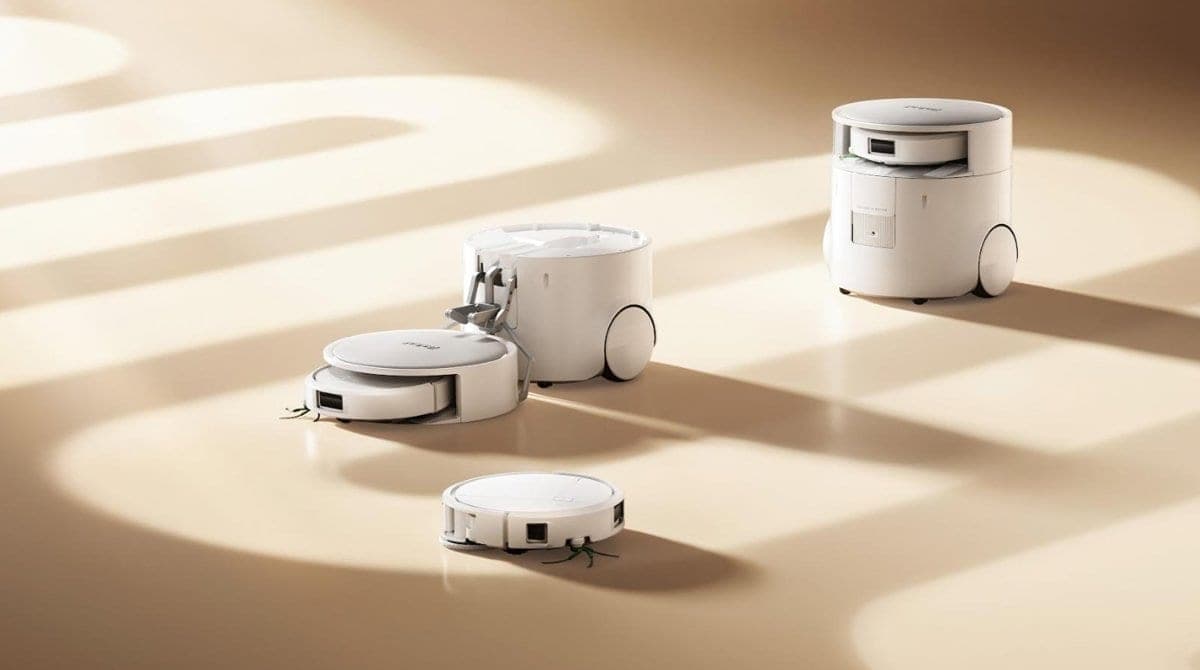
At IFA 2026 in Berlin, iRobot unveiled a two-foot-tall, can-shaped steam cleaner that opens a hidden top compartment and uses a mechanical arm to drop a second, ultra-slim vacuum onto the floor. The pioneer of the home robotics industry has decided that building a single machine to clean an entire house is a physical impossibility. To win the cleaning war, they are building a fleet.
The Zero-Sum Physics Problem
The autonomous floor-care market has spent a decade trapped in a strict design compromise. If an engineer builds a vacuum slim enough to glide under a sofa, they must sacrifice the water capacity, heavy battery, and sheer mass required for deep cleaning. If they build a heavy-duty wet-dry floor washer, it loses the ability to navigate tight residential spaces.
Rivals like Roborock and Ecovacs have tried to cheat these limits with extending mop arms and vibrating pads, slowly eating into iRobot’s historical market dominance. CEO Hao Li is taking a drastically different route by splitting the job into two specialized machines.
But to make a multi-robot system work, the primary machine has to be large enough to do the heavy lifting, and the specifications on iRobot's new prototype are staggering.
46 Newtons of Downward Force
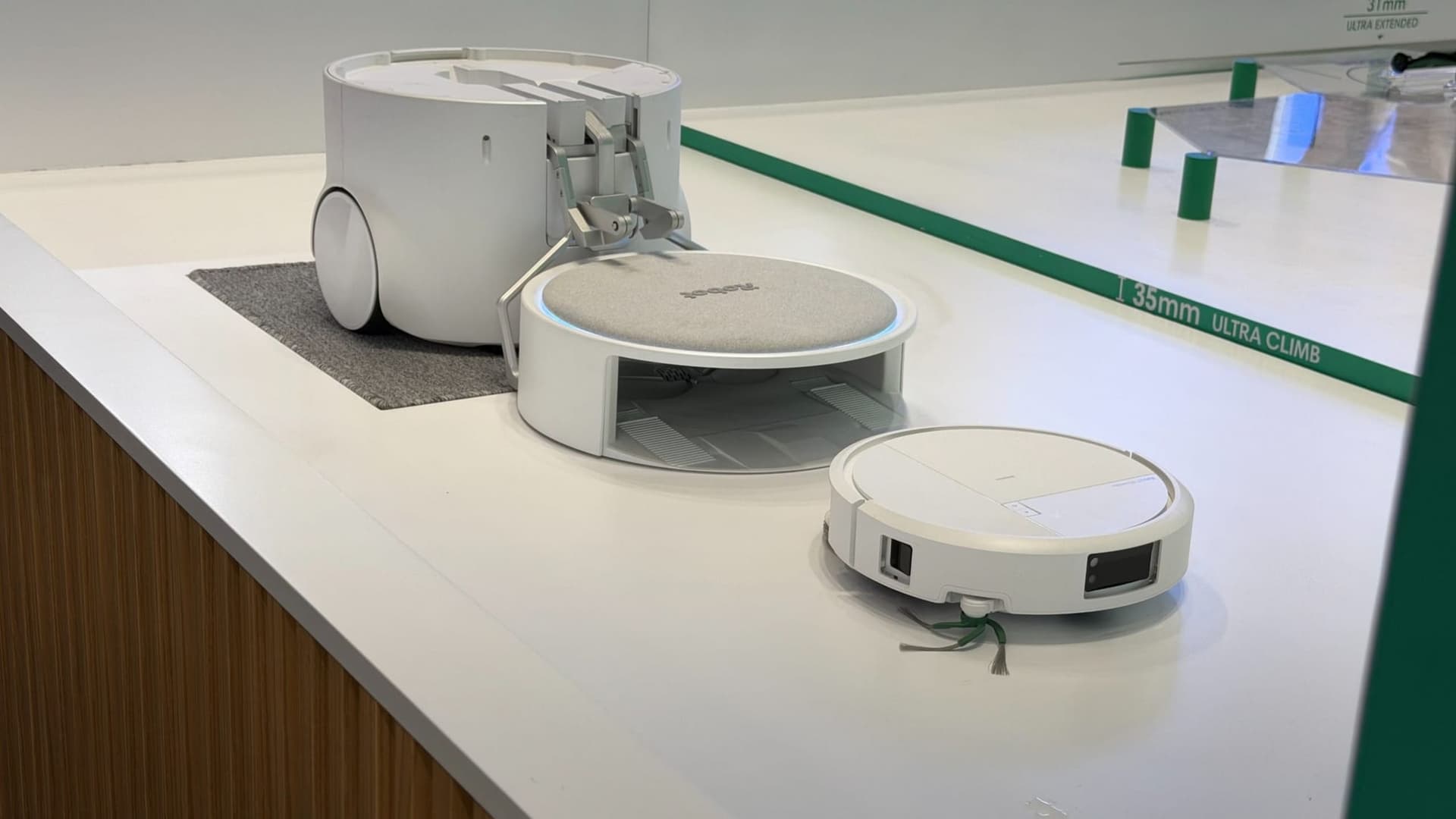
The Roomba Duo’s main unit tips the scales at an immense 66 pounds.
That bulk is entirely deliberate. Standard floor drones rely on light surface wiping because they lack the mass to scrub. The Duo uses its mechanical weight to press down on floors with 46 Newtons of force, roughly the equivalent of balancing a heavy bowling ball on a mop head. It blasts open floor plans with steam and heavy-duty extraction to rip up set-in grime.
“The Roomba Duo represents a real leap forward in how we’re reimagining home robotics. Instead of asking one robot to do everything, we’ve built specialized robots that work together as a single intelligent system.”— Hao Li
When the main unit encounters a space it cannot penetrate, it stops, maps the environment, and physically deploys the Roomba Plus 575 Combo from its internal bay. The smaller drone handles the edges and under-couch sweeps while sharing a single home map in real-time. Yet, mechanical ambition at this scale always carries a hidden cost.
The Cost of Moving Parts
An autonomous robot docking inside another autonomous machine introduces vast new points of failure. The mechanical deployment arm must survive daily encounters with pet hair, dust grit, and rogue toddler toys without jamming. On the IFA show floor, Gizmodo reporters watched the Duo successfully obliterate a plate of oil-covered spaghetti, though they noted a faint oil residue remained behind the steam cleaner.
iRobot representatives are carefully managing expectations for the prototype. An unnamed product manager on the floor clarified that the Duo is currently an unpriced, unscheduled concept designed strictly to test market appetite. The final consumer version, if it arrives, could look different or carry a price tag that limits it to commercial buyers. But the engineering statement is clear. If you want a truly spotless house, you do not need a better vacuum; you need a mothership that knows exactly when to call for backup.
What people are saying

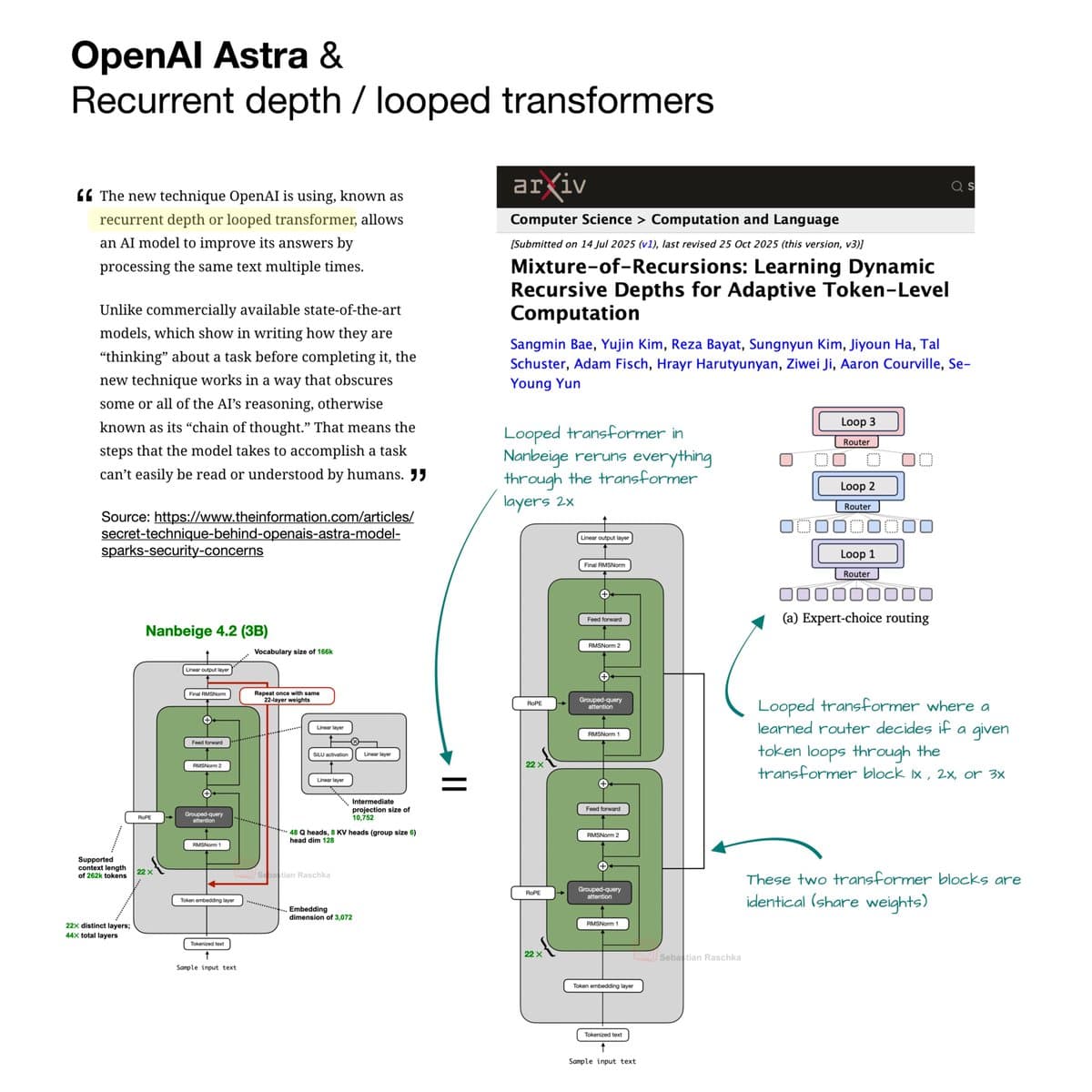
“A lot of hype around OpenAI's Astra model here on my timeline today. Apparently, this goes back to a new article from The Information, which said Astra is a "recurrent depth or looped transformer". It's always interesting to read about new or different approaches (including”

“'Mr Toilet' Jack Sim criticises super cosy urinal layout at Farrer Park MRT station toilet”

“Been following the progress along on this interactive robot lamp. One of the cool robots coming out from Japan 🇯🇵 Congrats @maze_rapid on the launch.”
Escaping the Vacuum Physics Trap
The Brief
Stay curious
AI and technology: what changes and why it matters.
Your daily selection, in English or Spanish.
Free forever. Unsubscribe anytime.
More stories




Conversation
Start the conversation