
 The Specialty News
Apple Builds a "Blind" Security Camera — and Threatens Amazon's Smart Home Grip
The tech giant is planning a 2027 monitoring service that ditches cloud video for local AI, turning 61% of US households into instant potential subscribers.
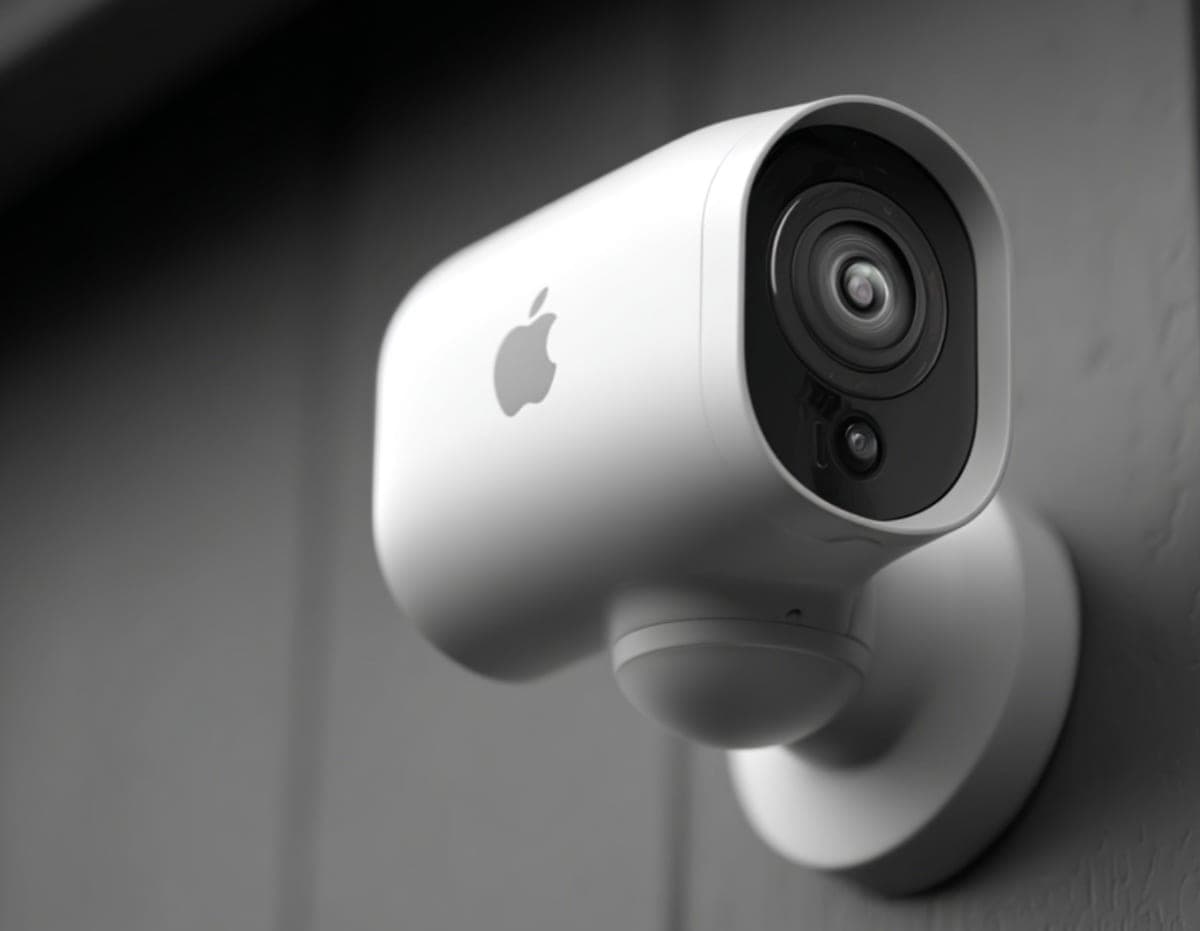
Apple is building a home security camera that explicitly avoids sending video of your living room to the cloud. Instead of recording a continuous feed of your private space, the upcoming 2027 device will rely on localized AI and infrared sensors to understand who is in the room without transmitting the footage. It is a massive pivot for the security industry: replacing traditional surveillance with edge-based environmental monitoring, allowing Apple to enter the home security market without compromising its core brand pillar of privacy.
The End of the Passive Platform
Historically, Apple treated the home as a hobby. Through HomeKit, it allowed brands like Eufy and Abode to build the actual hardware, leaving the lucrative recurring revenue of professional monitoring on the table for others to collect.
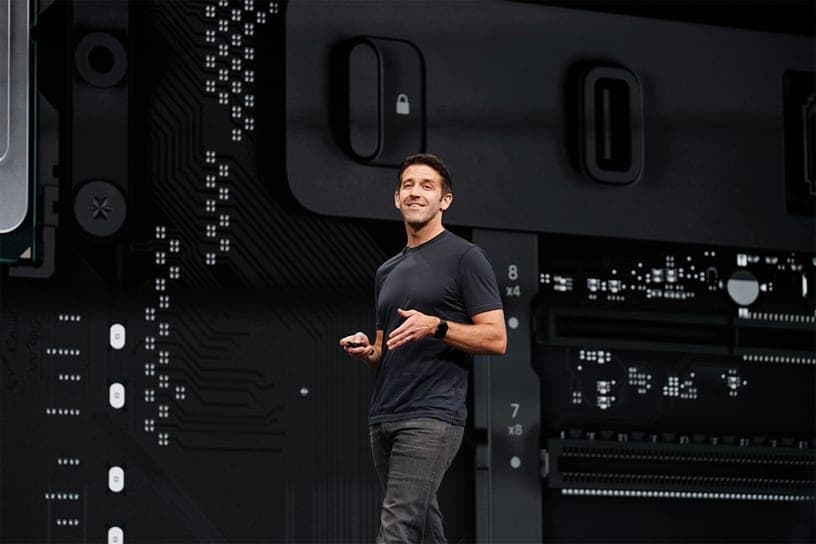
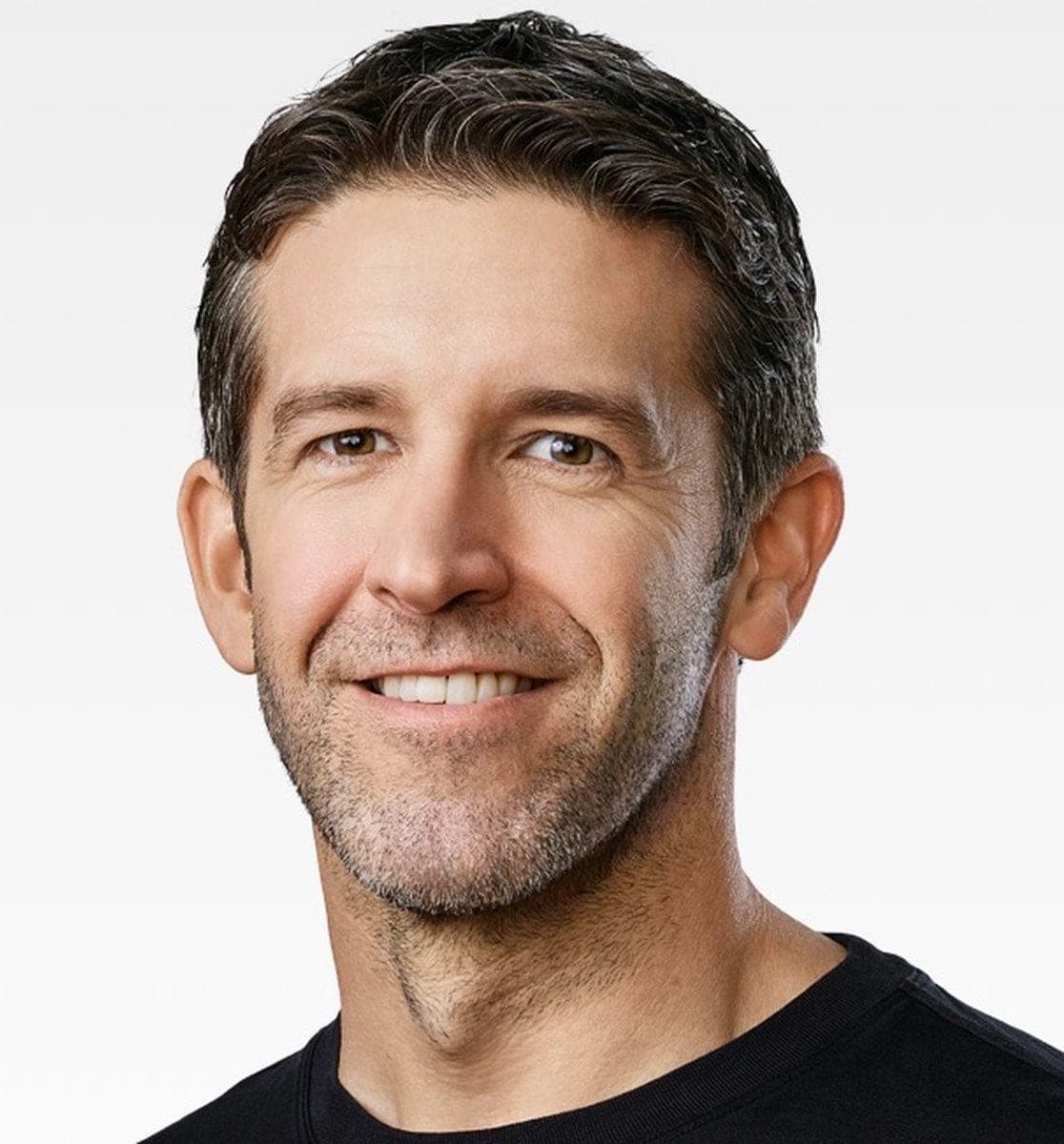
According to a new leak from Bloomberg, that passive era ends in 2027. Apple is developing a proprietary security and monitoring service paired with a suite of new hardware, led by Senior VP of Hardware Engineering John Ternus. The flagship device, internally codenamed J450, flips the standard security model.
“Apple is planning a privacy-centric home security camera and automation device that will use AI to monitor the surrounding environment instead of actual video footage.”— Mark Gurman
By using local facial recognition, the camera identifies individuals to trigger automations—adjusting lighting, temperature, or an Apple Music playlist—rather than just catching burglars. But shifting from reactive alarms to proactive automation requires an audience already bought into the hardware.
The Built-In Advantage
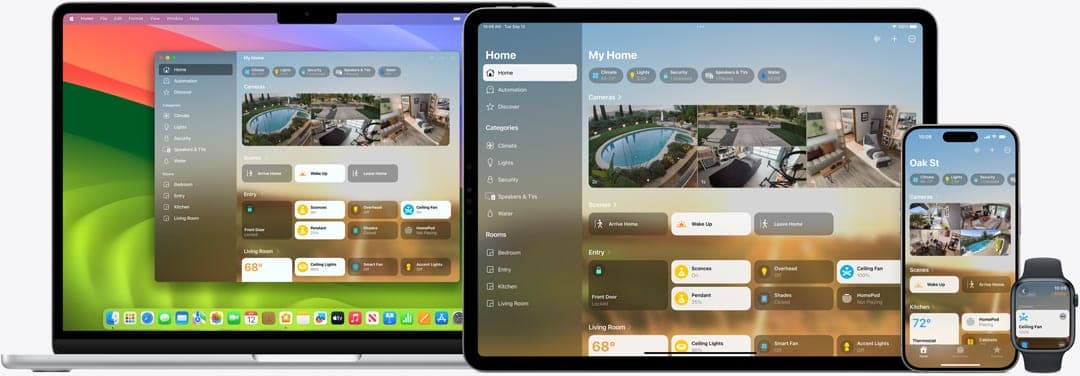
Amazon’s Ring and Google’s Nest currently dominate the front porch and the living room. But every time they try to sell a security system, they have to convince a customer to adopt an entirely new platform. Apple does not.
That figure is the structural advantage behind the entire project. Nearly two-thirds of the American market already carries the control panel for an Apple security system in their pocket or strapped to their wrist. Apple can instantly transform its existing user base into a massive audience for a subscription service simply by pushing a software update.
Industry analysts like Parks Associates’ Jennifer Kent note this brand loyalty gives Apple an immediate premium edge over entrenched competitors. Software tweaks—like the iOS 27 upgrades to HomeKit Secure Video—quietly lay the groundwork for a massive business that could be bundled right into an Apple One subscription. Yet, owning the hardware in the home is fundamentally different from managing the crisis outside of it.
The Dispatch Dilemma
Building consumer tech is one thing; operating a professional monitoring service is another. Real security requires 24/7 call centers, strict compliance with local dispatch laws, and managing police responses to false alarms. Apple must decide whether to build this immense logistical infrastructure from scratch or quietly partner with a third-party operator.
There is also the baggage of Apple's own history. The original HomePod struggled to find its footing, and Siri has historically lagged behind Alexa in smart home reliability. The entire 2027 hardware rollout is reportedly delayed to ensure strict integration with upcoming Apple Intelligence upgrades. If the local AI misfires, the illusion of the automated, secure home collapses.
But the financial upside is too large to ignore. The smart home was built on the promise of catching people breaking in. Apple is betting the real money is in recognizing the people who belong.
What people are saying
Apple's Blind Camera Strategy
The Brief
Stay curious
AI and technology: what changes and why it matters.
Your daily selection, in English or Spanish.
Free forever. Unsubscribe anytime.
More stories
Conversation
Start the conversation