
 The Specialty News
Google Buys 50 MW of Superhot Rock Power From an Oregon Volcano
The first commercial deal for superhot geothermal power will feed Google's data centers in The Dalles from as early as 2030.
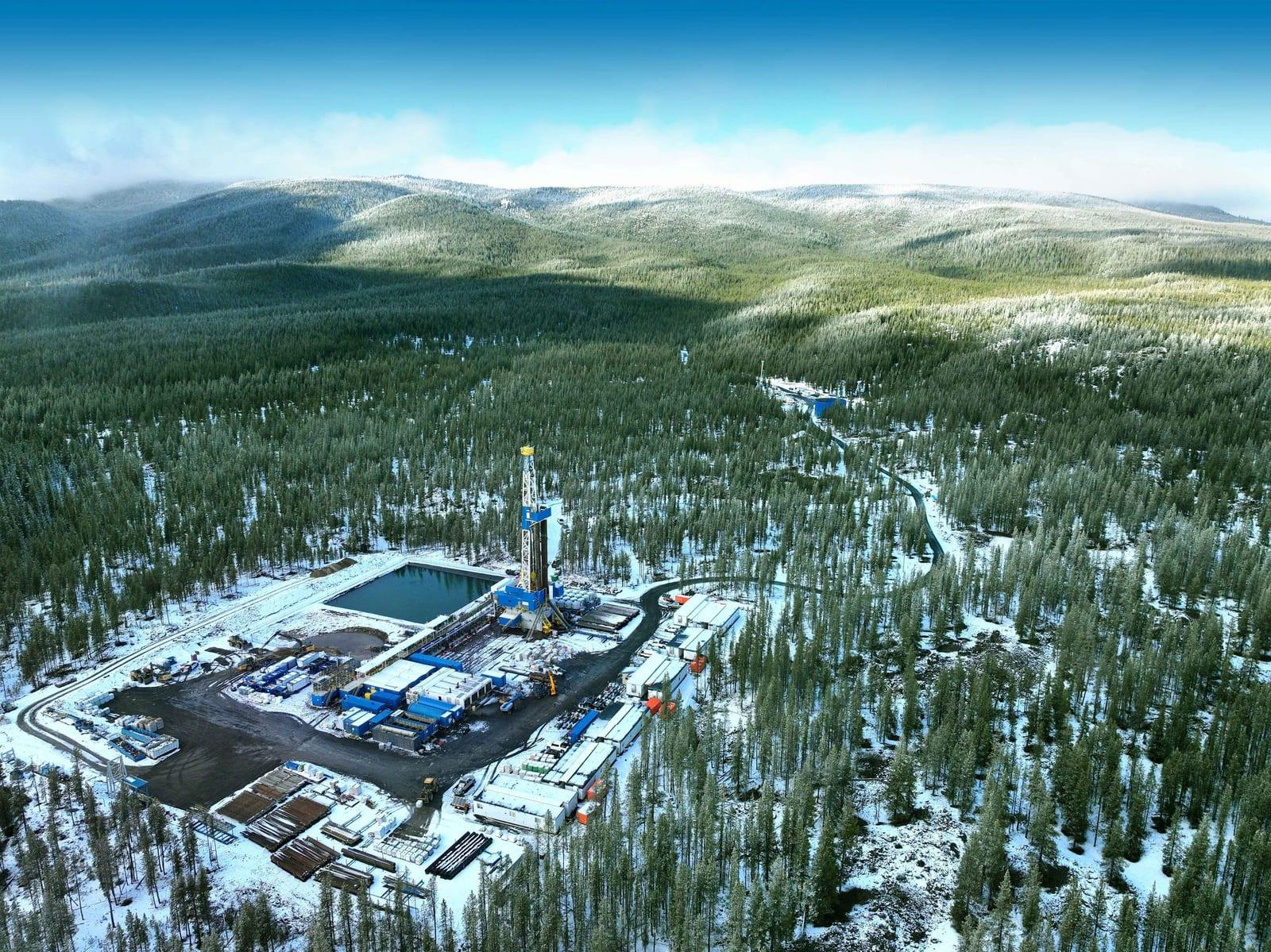
A few miles under a snowy pine forest in Central Oregon, the rock is about as hot as a pizza oven. On Tuesday, Google agreed to buy the electricity it will make: 50 megawatts from Quaise Energy's Project Obsidian, enough for roughly 50,000 homes, in the first deal anywhere to buy commercial superhot geothermal power. If it works, clean power that runs day and night stops depending on where nature happened to leave hot water near the surface.
A Volcano's Flank, Wired to The Dalles
The power purchase agreement, announced on November 17, covers the first phase of Project Obsidian, which Quaise is building on the southern flank of Newberry Volcano, south of Bend. Deliveries could begin as early as 2030, and the electricity is meant for Google's data center operations in The Dalles, on the Columbia River.
For Google, it is one more line on a long list. From 2010 to 2025 the company signed more than 240 clean energy agreements covering nearly 35 gigawatts, and its three Oregon data center campuses already run on 83% carbon-free energy. Lucia Tian, who leads advanced energy technologies at Google, calls superhot rock a "clean, firm" resource: power that does not wait for the wind or the sun.
For Quaise, it is the first commercial contract of its life, signed years before the plant sends a single electron. Which raises the obvious question: if the heat is right there, why has nobody drilled this deep for power before?
Why Geothermal Stopped at 400°F
Conventional geothermal plants tap reservoirs of hot water that rarely exceed 400°F, which is why they cluster in a handful of lucky places. In Oregon, a state full of volcanoes, geothermal supplied 0.1% of the energy used in 2024, according to the Oregon Department of Energy.
Superhot systems go deeper, to rock near 800°F. Engineers pump cold water down, it comes back up as steam and spins a turbine. Hotter steam carries far more energy, so each well does much more work.
Phase one uses conventional drilling to reach those conditions at commercial scale. Phase two is where Quaise's own bet comes in: millimeter wave drilling, which vaporizes rock with energy instead of grinding it with a bit, and which the company says plugs into existing drilling rigs. Nothing touches the rock, so there is no worn-out bit to haul up and replace. And Newberry has room for far more than 50 megawatts.
From 50 Megawatts to a 10-Gigawatt Basin
Carlos Araque, Quaise's chief executive, estimates that Project Obsidian alone could reach about a gigawatt within the next decade, and the wider Newberry basin around 10 gigawatts. That is close to the roughly 11-gigawatt gap federal planners forecast for the Northwest by 2032.
“This is the beginning of humanity tapping into the largest source of energy.”— Carlos Araque
What is left to solve is mostly wires. Quaise has to build a 10-mile transmission line to the substation in La Pine before a single megawatt reaches The Dalles, and at least 20 companies worldwide are chasing similar technology, including Mazama Energy near Bend and Fervo Energy in Utah. The local payoff comes first: 200 to 400 construction jobs, more than 50 permanent skilled jobs and royalties from the electricity sold.
Araque's explanation for why a tech company signed first is plain: "A data center just happens to be the first mover, the fastest mover that is able to take that risk." Google is paying for the first well. Every buyer after it gets heat that has already been proven to flow.
How 800°F Rock Becomes Power
The Brief
Stay curious
AI and technology: what changes and why it matters.
Your daily selection, in English or Spanish.
Free forever. Unsubscribe anytime.
More stories





Conversation
Start the conversation