
 The Specialty News
Tesla Deploys 1,000 Faceless Cybercabs — and the Feds Attack in Hours
Elon Musk tried to use an old auto-industry loophole to put a fleet of steering-wheel-free robotaxis on Austin streets. The government didn't even let him have a full day.
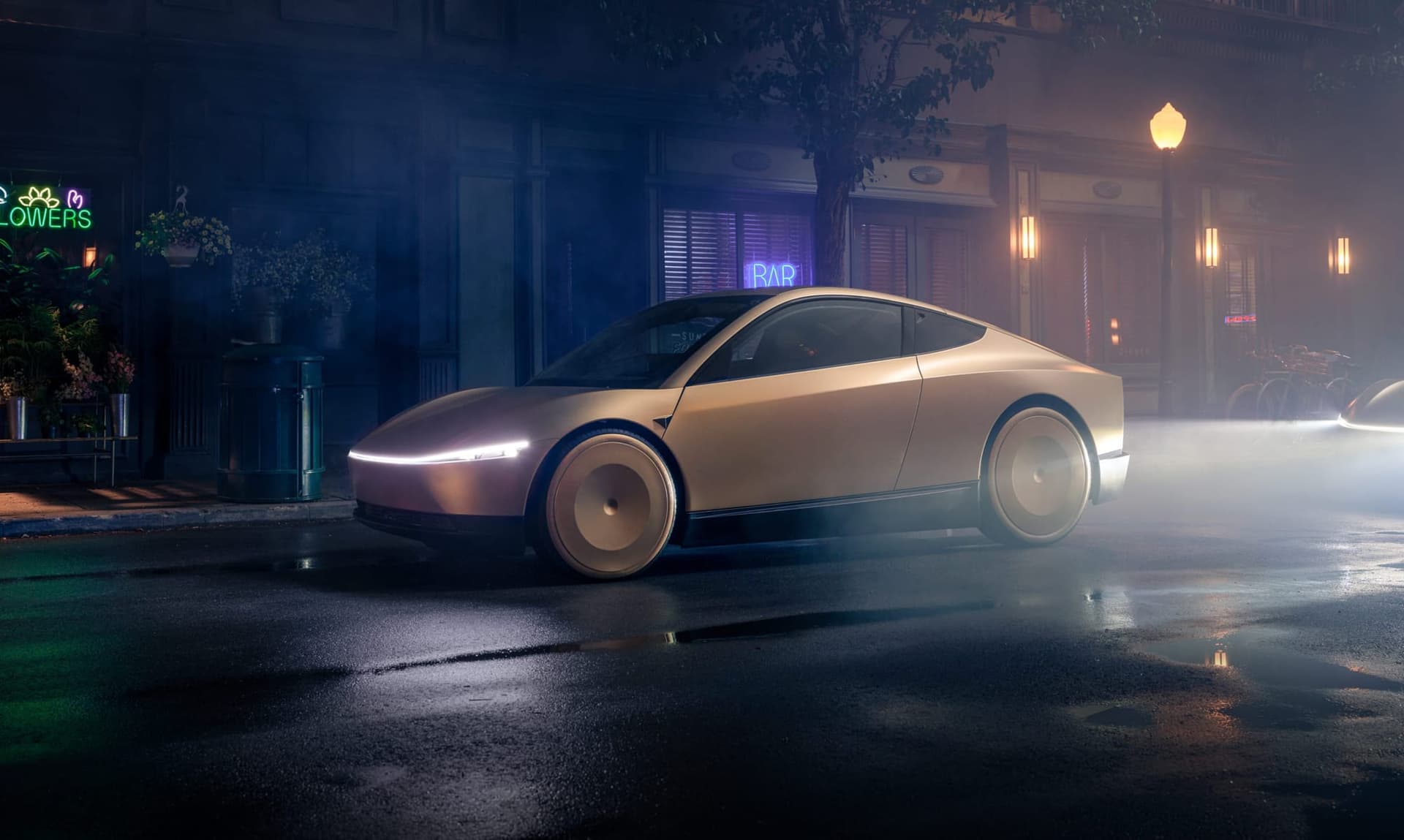
The federal government did not even let Tesla finish its first day of commercial operations. Less than 24 hours after the very first steering-wheel-free Cybercabs hit the streets of Austin, the National Highway Traffic Safety Administration launched a formal federal audit. The move instantly threatened to ground a project meant to secure Tesla's dominance in autonomous driving.
The Launch and the Loophole
On a Thursday in September, Tesla invited a select group of friendly influencers to an exclusive, NDA-enforced event in Austin to witness the commercial launch of the Cybercab. By Friday morning, the National Highway Traffic Safety Administration had officially filed Open Audit Query AQ26002.
The sheer scale of the deployment is what triggered the immediate crackdown. Tesla is attempting to drop 1,000 of these vehicles onto public roads at once—a fleet large enough to replace every single registered yellow cab in a city the size of Austin overnight. Just two months prior, the company's autonomous pilot program consisted of a mere 12 modified Model Ys operating under strict geo-fencing. Those dozen cars still managed to suffer three reported accidents.
To bridge the gap between a struggling dozen and a massive commercial fleet, Tesla relied on a traditional auto industry mechanism known as "self-certification." The company unilaterally determined that federal laws requiring brake pedals, mirrors, and steering wheels simply do not apply to a car that lacks a human driver. It was a classic Silicon Valley maneuver designed to force a sluggish bureaucracy to accept new hardware. But the bureaucracy had a different plan.
The Bureaucrat and the Beta Test
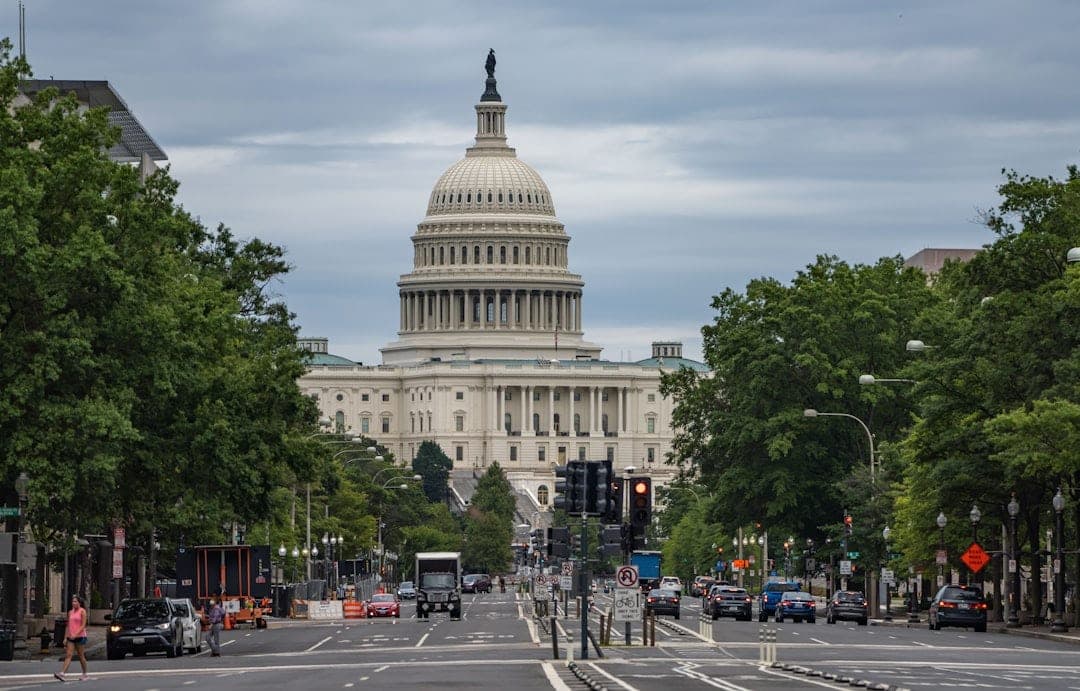
NHTSA Administrator Jonathan Morrison is not a technology skeptic. His agency is actively trying to rewrite aging traffic laws to accommodate a driverless future. But as the current enforcer of the law, he is demanding Tesla show its legal homework on how it bypassed safety rules that remain on the books today.
“NHTSA fully supports the safe development and deployment of automated vehicles. But as the federal regulator, we need to ensure that all of our laws are followed.”— Jonathan Morrison
The federal watchdog has plenty of immediate ammunition to justify a sudden freeze. Shortly before the launch, Arthur Maltin at The Dawn Project published third-party safety testing that allegedly showed Tesla’s autonomous system failing to recognize school bus stop signs. This is an uncomfortable data point for a company trying to scale a public beta test so quickly.
Worse, the skepticism extends to the software currently driving the Cybercab. Tesla relies on a variation of its "Full Self-Driving" system, which is already the subject of a massive, separate federal probe covering 3.2 million existing vehicles due to crashes in low-visibility conditions. The core question facing Morrison’s agency is simple: can a company currently under federal investigation for its driving software be trusted to legally self-certify its radical new hardware?
Silicon Valley Speed Meets Washington Time
The genuine tension here is a race between two very different clocks. The U.S. Department of Transportation is currently rewriting eight critical rulemakings specifically to address windshield wipers, mirrors, and brake pedals for autonomous vehicles. Musk’s hardware vision is entirely aligned with where the government actually wants to go.
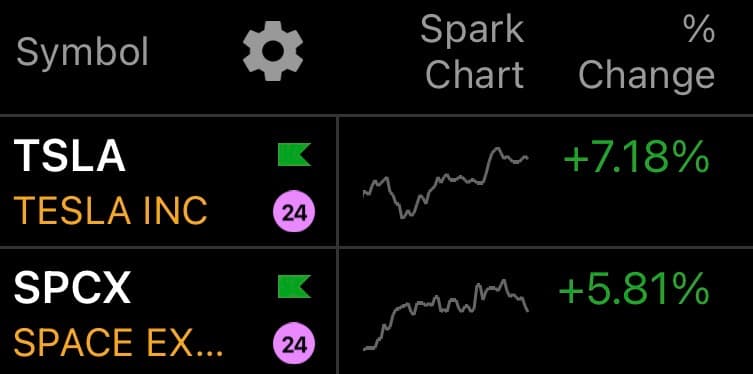
The problem is that those rules are not finished, and existing standards remain legally in force. By launching anyway, Musk dared regulators to pull a fleet of futuristic cars off the road. If the NHTSA ultimately rejects Tesla's self-certification logic, the entire Cybercab fleet could be grounded until the new rules are officially inked. That delay would cost Tesla invaluable real-world training data, crater its stock—which already dropped 5 percent on the news—and hand crucial momentum to rivals like Waymo.
The regulatory future Musk is betting on is almost certainly coming. But today's laws still require a steering wheel, and the federal government is no longer letting Silicon Valley grade its own homework.
What people are saying

“Despite efforts to control the narrative, $TSLA ‘s Cybercab event was largely a bust. Following a short presentation that formally announced the vehicle’s inclusion into the robotaxi fleet, attendees were able to take rides in the new two-seat vehicle without pedals or steering”


“Today is a very big day for Tesla. I also think it’s a big day for SpaceX than most people realize. Cybercab launches today. A purpose-built Tesla with no steering wheel, no pedals, designed from the beginning to move people without needing a human driver. And built directly”
Federal Audit Stalls 1,000 Tesla Cybercabs
The Brief
Stay curious
AI and technology: what changes and why it matters.
Your daily selection, in English or Spanish.
Free forever. Unsubscribe anytime.
More stories
Conversation
Start the conversation