
 The Specialty News
Devendra Chaplot Joins SpaceX and xAI to Accelerate Superintelligence
The former Mistral founding member joins Elon Musk to merge digital brains with physical hardware.
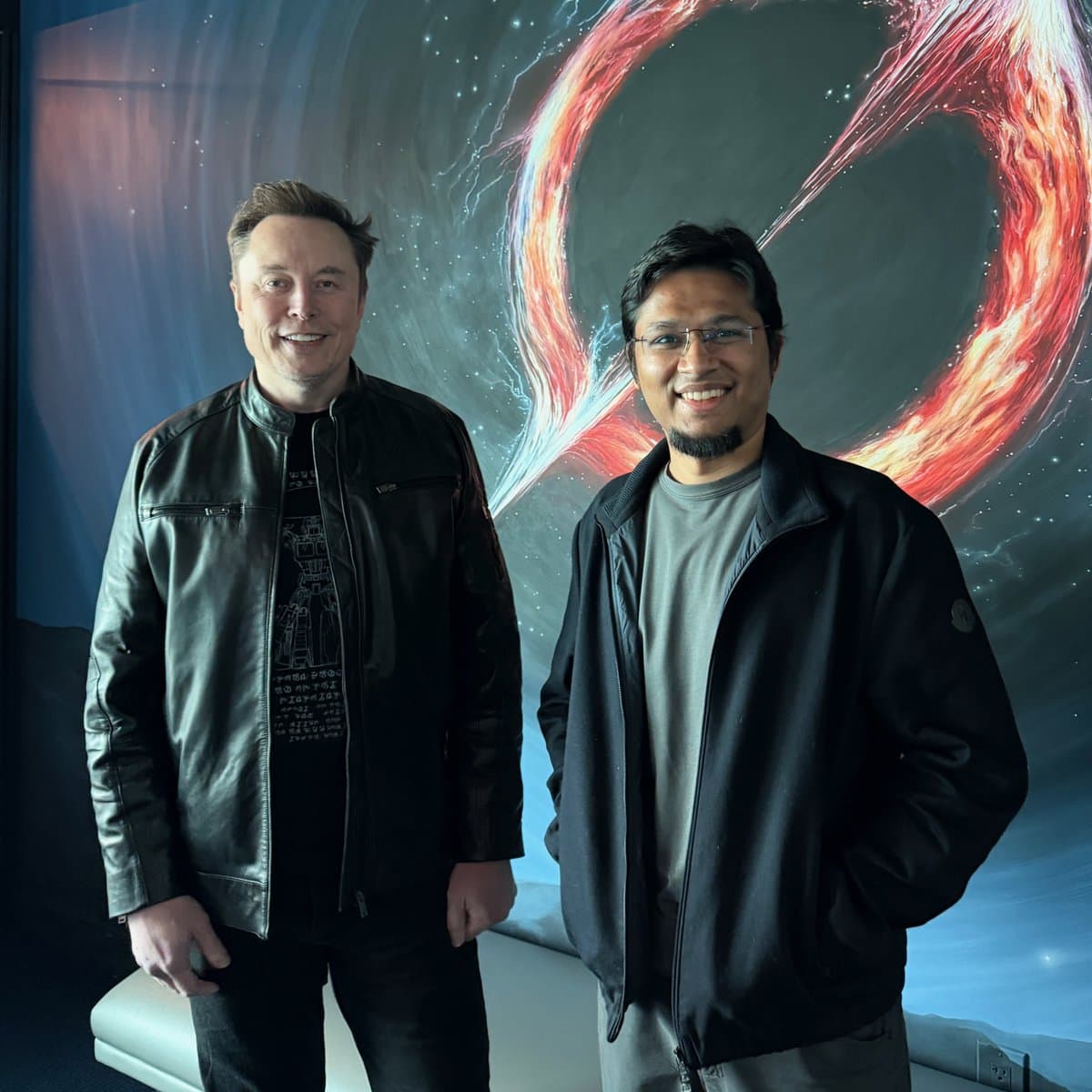
The race to build true superintelligence just added a critical piece to its puzzle. Dr. Devendra Chaplot, a powerhouse in the embodied AI community, announced he is joining the founding teams of SpaceX and xAI. By working directly under Elon Musk, Chaplot aims to bridge the gap between pure digital models and the physical world—a move that could transform how machines navigate everything from factory floors to the vacuum of space.
The Missing Link: Embodying Intelligence
For years, the AI world has been divided into two camps: the digital thinkers, which excel at reasoning and language, and the physical movers, which struggle to operate in messy, unpredictable environments. Chaplot, whose pedigree includes pioneering work at Mistral AI, Thinking Machines Lab, and Facebook AI Research, has spent his career as the architect of this bridge. His expertise in 'embodied AI'—algorithms that enable machines to physically sense and manipulate their surroundings—is exactly what xAI and SpaceX need to push beyond the current software-only limits.
This isn't just another research hire; it’s an industrial-scale pivot. By pulling in a researcher who understands both deep-tech robotics and large-scale model architecture, Musk is looking to solve the 'final boss' of AI: reliability in the real world. As Chaplot noted in his announcement, the ability to combine SpaceX’s hardware-first engineering with xAI’s frontier models creates a unique testing ground for superintelligence that is currently impossible for pure software labs to replicate.
The New Manhattan Project for Machines
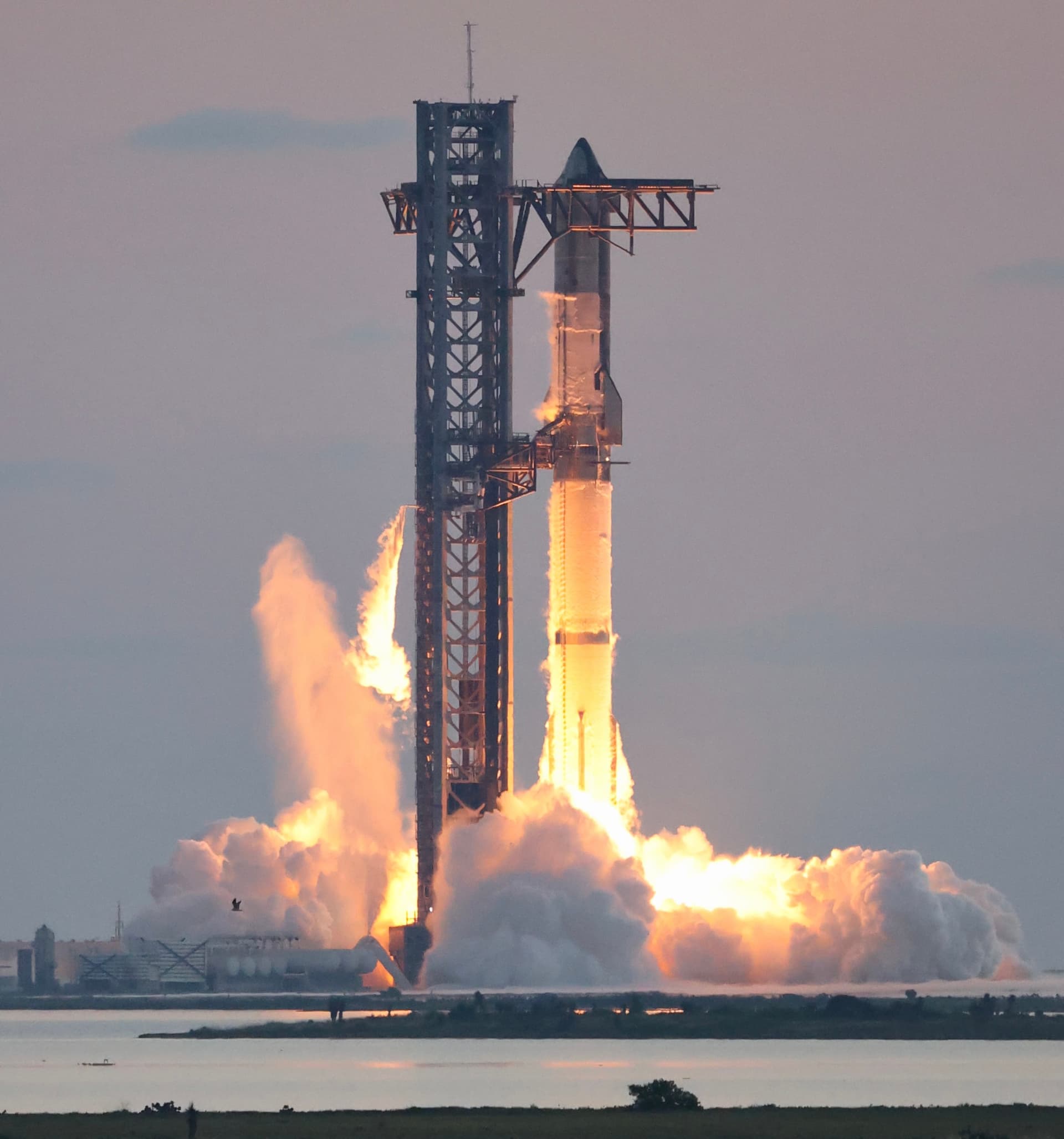
Chaplot’s move into Musk’s orbit suggests a shift toward a 'Manhattan Project' style of engineering, where the theoretical power of AI meets the immense industrial might of aerospace. The potential is vast. If you can pair a highly capable, reasoning AI with a robot that can handle the extreme environmental conditions of space or complex manufacturing, you don't just get a chatbot—you get a system that can do work.
“the future of intelligence will not be confined to a screen. It will be walking, flying, and building.”
The real lesson here is that the future of intelligence will not be confined to a screen. It will be walking, flying, and building. Companies that can master the integration of hardware and software will likely set the pace for the next decade. While the challenges of engineering friction and safety alignment remain daunting, Chaplot’s decision to move into a high-agency, resource-dense environment shows that the world’s top talent is increasingly betting on those who can actually build in the physical world.
Giving AI a Body
The Brief
Stay curious
AI and technology: what changes and why it matters.
Your daily selection, in English or Spanish.
Free forever. Unsubscribe anytime.
More stories


Conversation
Start the conversation