
 The Specialty News
Apple Maps Out-Designs Google at 70 MPH, Defying a 2 Billion User Handicap
Fourteen years after Tim Cook apologized for melted bridges, a viral video proves Apple has turned its biggest punchline into a cognitive edge.
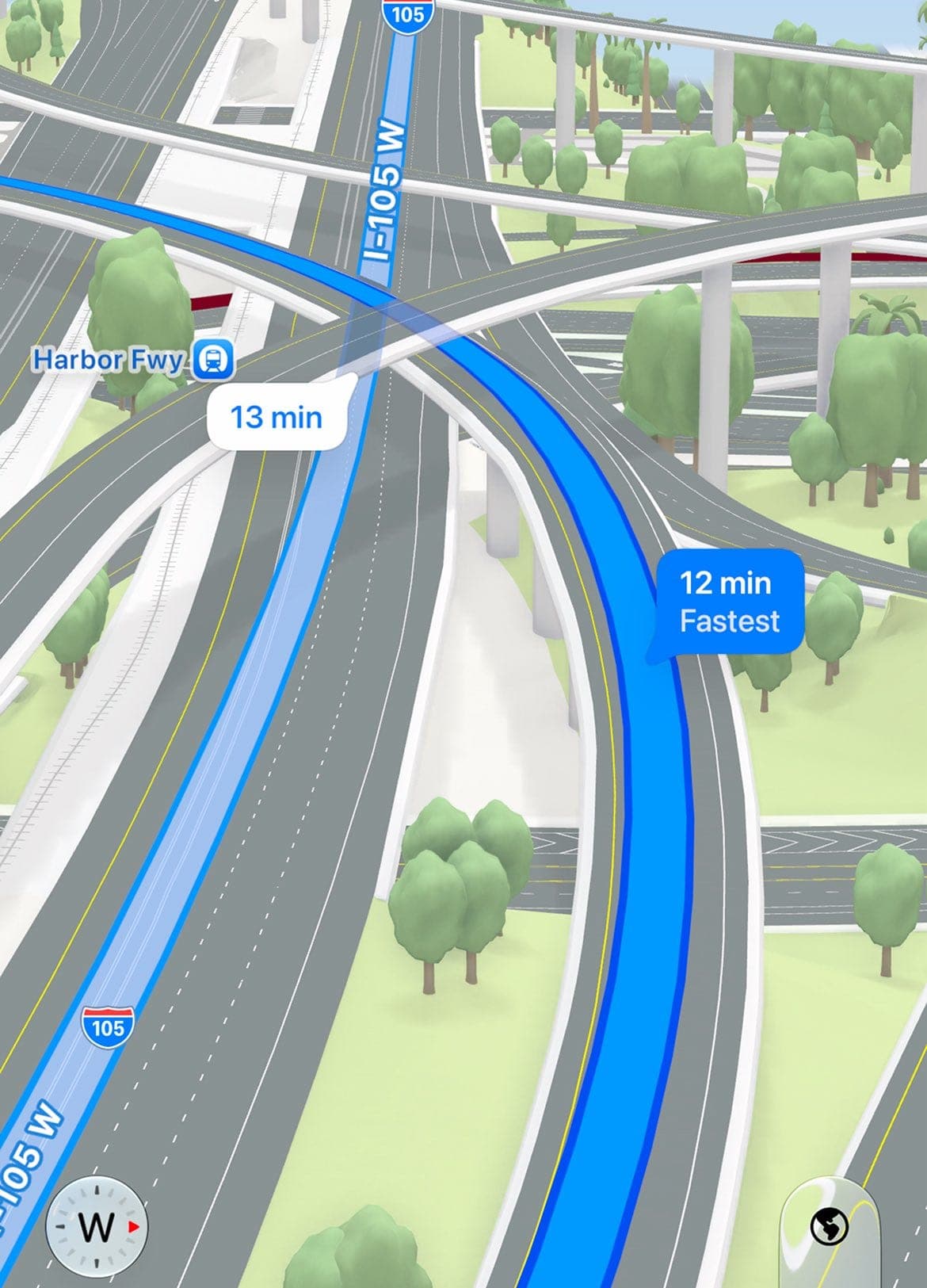
Fourteen years ago, Tim Cook published an open letter apologizing to iPhone users for how badly Apple Maps was breaking their commutes, explicitly advising them to download Google Maps or Bing instead. Today, Apple's biggest former embarrassment is winning a viral design war against the very rival Cook once surrendered to.
The Cognitive Load of an Interchange
A viral clip posted by @TheAppleDesign shows two screens side-by-side navigating a complex highway interchange at 70 miles per hour. On the right, Google Maps displays an information-dense 2D blueprint. On the left, Apple Maps renders a clean, 3D simulation that physically mirrors what the driver sees through the windshield. The caption was blunt: "Apple Maps vs Google Maps at navigation. It's not even a competition."
The internet exploded. Drivers dissecting the clip pointed out that at highway speeds, a map's job shifts from plotting a route to managing human panic.
“Navigating a multi-layered highway interchange at 70 miles per hour reveals how your brain handles pressure. One app uses a clean, 3D simulation to mimic exactly what you see through the windshield. The other provides an information dense blueprint. — Viral sentiment shared across Facebook tech groups”
This is the new battleground. Both apps will get you from Point A to Point B with near-perfect accuracy. The fight is no longer about utility. It is about cognitive load. Apple is betting that rendering the world as an uncluttered, spatial reflection helps the human brain process split-second decisions faster than parsing rigid data. But a pretty interface has to survive contact with reality, and the market leader has a massive structural advantage.
Beating the Two-Billion Handicap

Google Maps crossed the two-billion user threshold in 2024. That is roughly one out of every four humans on Earth opening the app every month, silently feeding real-time traffic data, road closures, and speed trap locations back into Google's servers. Apple Maps hovers around 500 million users. Google is harvesting four times the raw material.
Power users and commercial drivers are quick to point out where this data gap hurts. CDL truckers and long-distance road trippers flooded the recent debate to defend Google's superiority in multi-stop routing and offline functionality. Missing an exit or losing a cell signal without an offline map downloaded can cost a commercial driver thousands of dollars in fines or lost time. Reddit user ankulet summarized the power-user consensus: "Apple looks nice but you can't compete with all the other features Google Maps gives you."
There is also a literal cost to Apple's aesthetic ambition. Tests show Apple Maps burns roughly double the cellular data of Google Maps—1.33 megabytes per 10 miles compared to Google's 0.67—to stream those beautiful 3D trees and elevated overpasses. Yet Apple is successfully weaponizing its design to achieve a highly lucrative corporate goal. The company wants to hit $10 billion in annual ad revenue, and location-based search ads on a widely loved map app offer a clear path there. If Apple wants those ad dollars, it has to answer Google's next move.
What people are saying

“Accept it or not but Apple Maps is better than Google Maps at navigation”
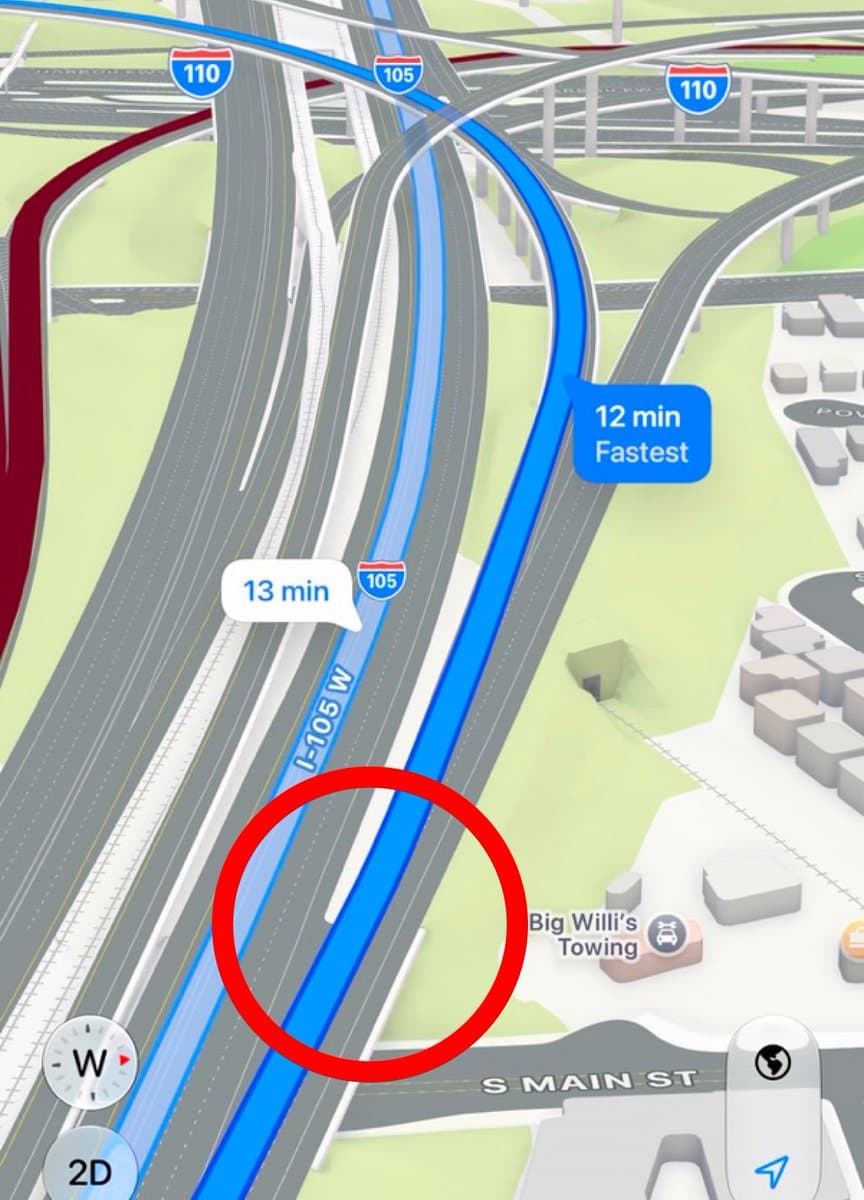
“Apple Maps vs Google Maps at navigation It’s not even a competition”
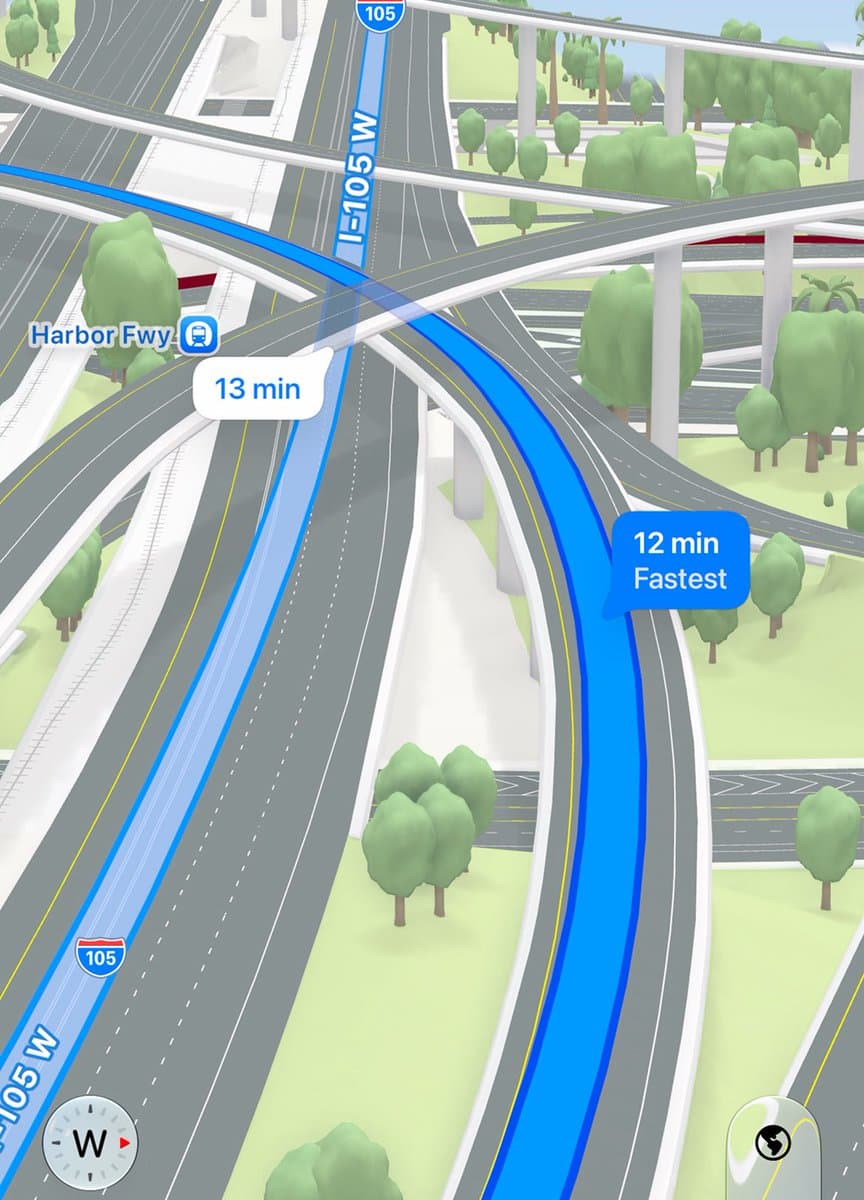

“As someone who is directionally challenged, I prefer to see the bend on Google Maps”
Design vs Data: The Maps War
The Brief
Stay curious
AI and technology: what changes and why it matters.
Your daily selection, in English or Spanish.
Free forever. Unsubscribe anytime.
More stories





Conversation
Start the conversation