
 The Specialty News
Samsung and Google's Gemini Glasses Go on Preorder From $395
Thirty Warby Parker and Gentle Monster designs weigh about 41 grams, last up to nine hours on a charge and reach US stores on December 10.
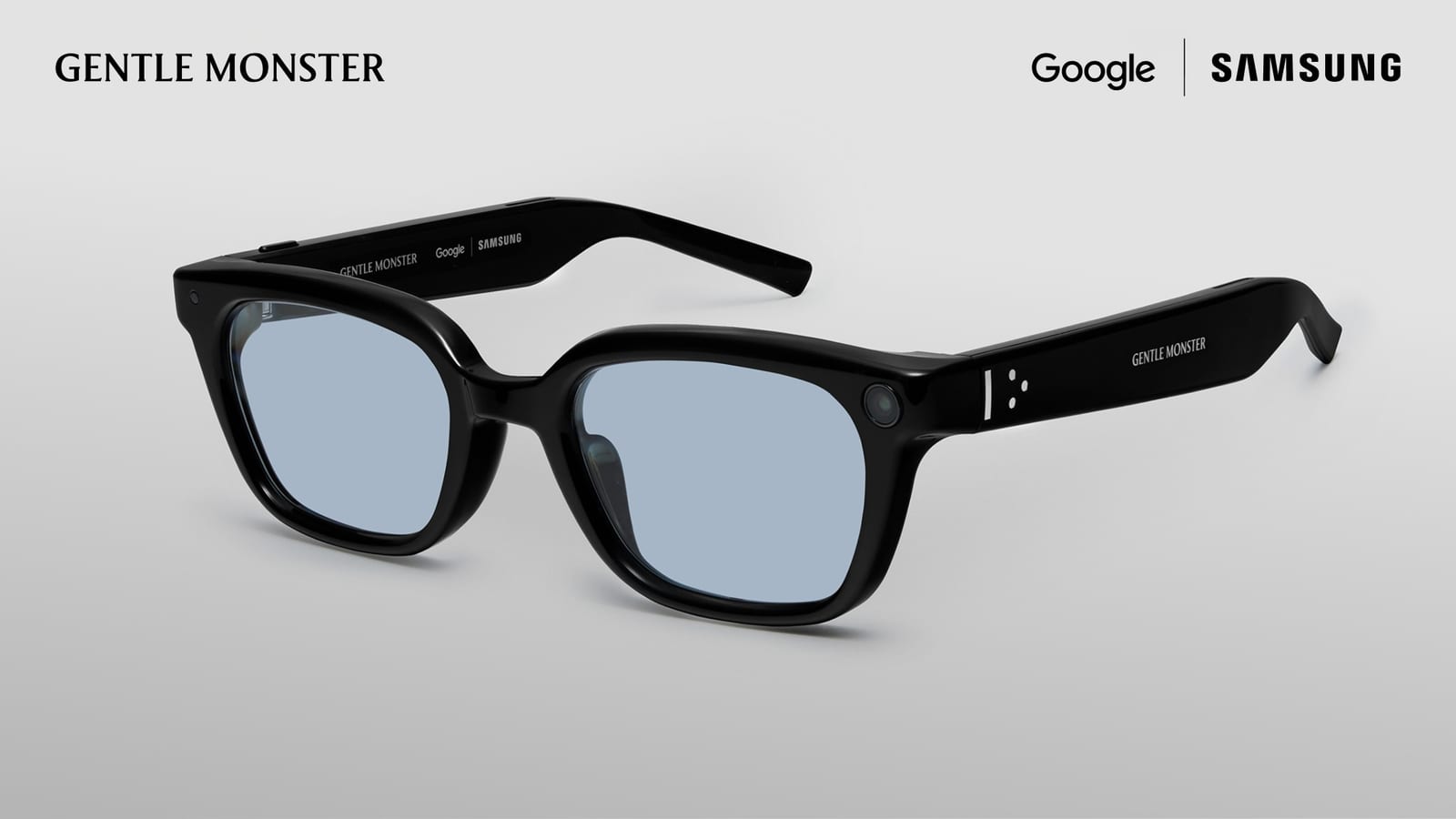
A pair of Warby Parker frames that can translate a restaurant menu for you now costs $395. Samsung and Google opened preorders on Thursday for their first intelligent eyewear, 30 designs from Warby Parker and Gentle Monster with Gemini built in, and the glasses go on sale in the United States on December 10, with Gentle Monster's line also launching in South Korea. There is no display in the lenses: a 12-megapixel camera lets Gemini see what you see, and open-ear speakers let it answer.
Thirty Frames and Two Price Tags
Samsung engineered the hardware, Google supplied Gemini and the Android XR software, and two eyewear brands drew the frames. Warby Parker offers three designs, Alden, Reid and Wren, in optical and sun versions, 14 variations in all, starting at $395. Gentle Monster offers six frame styles in 16 variations, priced from $449 to $489 depending on the model.
Preorders opened on November 12. From December 10, buyers can try and buy the glasses in Warby Parker's stores and online, or through Gentle Monster's online store, and select Samsung stores will run hands-on demos. Samsung first showed the eyewear in July.
They work with recent phones from both camps: Galaxy phones running One UI 9.0 or later, Pixel 7 and later with the September 2026 Android 17 update, and iPhone 13 Pro and later. At launch, Google says, they need a Google account from the United States or South Korea.
All of it fits in a frame that weighs less than a golf ball.
What 41 Grams Carry

Samsung lists the weight at around 41 grams, between 39.6 and 43.9 depending on the frame. Inside are a Qualcomm Snapdragon AR1 Gen 1 chip, 2GB of memory and 64GB of storage, a 12-megapixel HDR camera that records 3K video at 30 frames per second, two open-ear speakers and four microphones. Part of the heavy computing is handed to the paired phone, which helps the battery last up to nine hours, or up to 72 hours with the charging case.
The everyday uses are concrete. Look at a landmark and ask what it is. Photograph a whiteboard in a meeting and have Gemini summarize it into Samsung Notes. Follow Google Maps directions spoken in your ear, or hear your notifications grouped, summarized and read aloud.
For blind and low-vision users, Google's Guided Vision describes the surroundings out loud, and the Aira Explorer service is a voice command away, both on Android at launch. A camera worn on the face raises an obvious question about everyone else in the room, and the two companies built their answer into the hardware.
Rules Built for the People Around You
An outward-facing LED lights up whenever the glasses take a photo or record video, and the wearer gets an inner light and a sound at the same moment. If that LED is covered or not working, the camera will not capture.
When a wearer asks Gemini about what they are looking at, the glasses automatically blur bystanders' faces before Gemini responds, and in Gemini Live conversations other people's voices are filtered out. The eyewear is for users 18 and over, with age verification at activation.
“Visuals collected by Gemini are not used for AI model training or ad targeting.”— Samsung
The hardware is set, the prices are public and the date is fixed. From December 10, asking about whatever is in front of you takes a pair of glasses and your voice.
30 Designs, Two Price Tags
The Brief
Stay curious
AI and technology: what changes and why it matters.
Your daily selection, in English or Spanish.
Free forever. Unsubscribe anytime.
More stories





Conversation
Start the conversation