
 The Specialty News
Coca-Cola Commits $10B to U.S. Infrastructure, Keeping Heavy Manufacturing Anchored in All 50 States
A decentralized network of 61 independent bottlers pools capital to upgrade American supply chains, spending the equivalent of five years of corporate capex right at home.
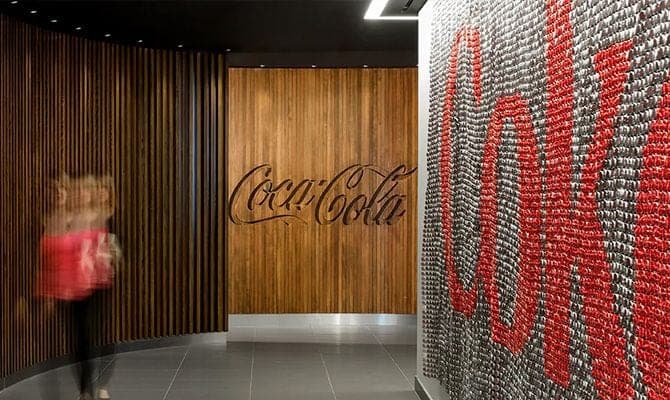
The Coca-Cola supply network generates about $10 million in United States economic activity every single hour. That quiet, immense physical footprint is the engine behind a newly announced plan to deploy $10 billion into American infrastructure between 2026 and 2030. Driven by CFO John Murphy, the initiative pivots from scattered local upgrades to a unified national push. It secures long-term employment for a manufacturing base that already supports nearly one million domestic jobs, proving that heavy industry still scales outside traditional tech hubs.
The Economics of a Decentralized Giant
The blueprint relies on a structural quirk of the 140-year-old beverage maker: it does not own most of the plants that put its drinks into bottles. Instead, the company operates through a decentralized network of 61 independent U.S. bottling partners. Achieving a unified national expansion requires pooling investments across dozens of distinct balance sheets.
To put that scale in physical terms, Coca-Cola’s standalone corporate capital expenditure forecast for this entire fiscal year is roughly $2.2 billion. This domestic initiative represents nearly five years of the parent company's global capex budget, redirected squarely into local American facilities. The capital will fund heavy industrial development and logistics modernization in targeted expansion cities like Coopersville, Michigan; St. Cloud, Minnesota; and Webster, New York.
For operators like Dave Katz, president of Coca-Cola Consolidated—the largest independent U.S. bottler—the motivation is keeping these plants functioning as community anchors. The capital flows straight into the American supply chain, expanding facilities that rely on local farmers, packaging providers, and logistics workers. But upgrading the buildings is only half the equation; the real test is what those production lines will actually be asked to make.
Rebuilding for a Post-Soda Portfolio
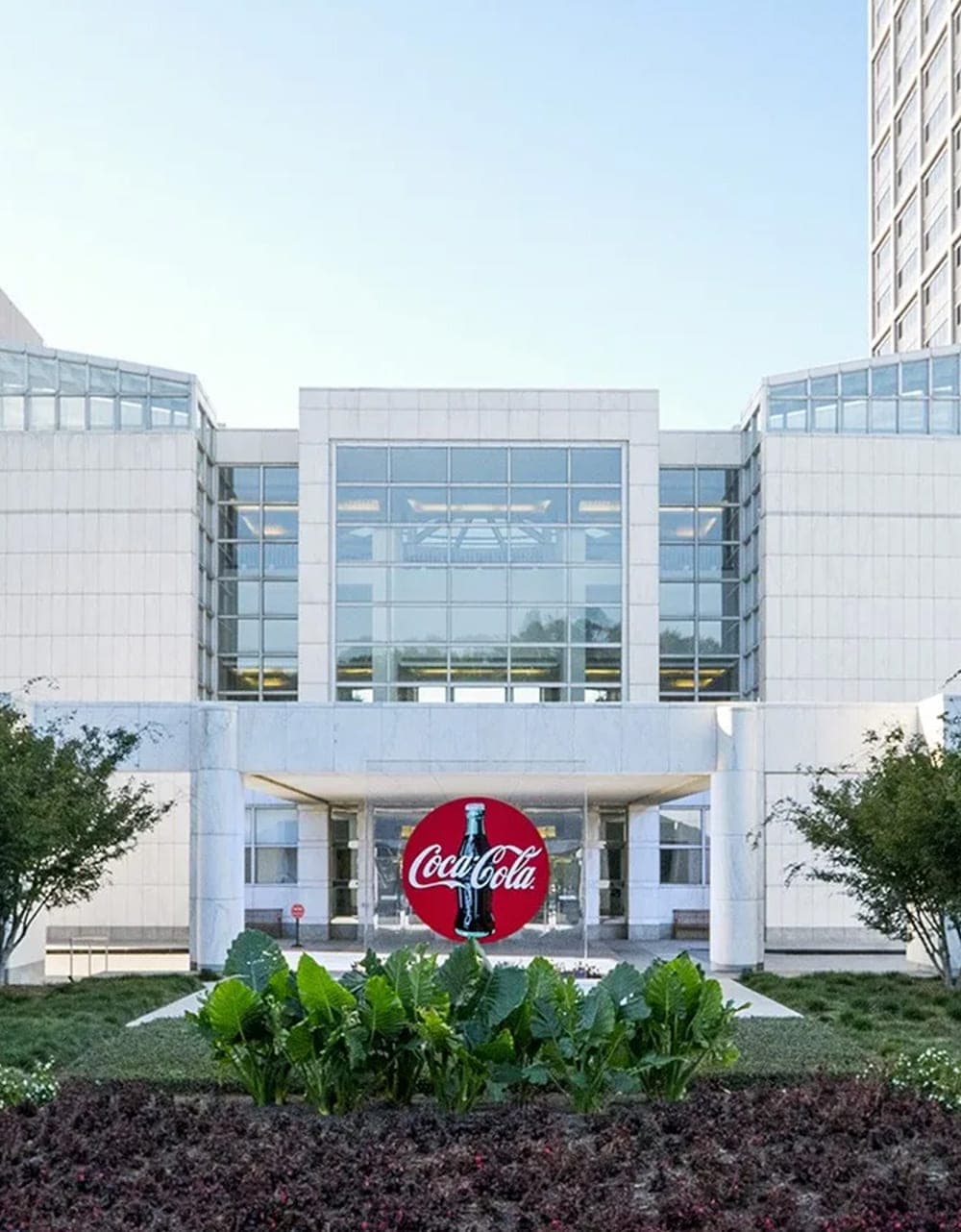
The primary obstacle to this build-out is engineering against obsolescence. Consumer preferences are rapidly fracturing away from traditional sodas and toward an array of specialized hydration, coffee, and plant-based drinks. The new infrastructure must be highly adaptable to handle this complex product portfolio without requiring constant, costly retrofits over the next decade.
“This assessment reinforces what we see every day: the Coca‑Cola system is deeply rooted in America and continues to deliver meaningful value for the people and communities we serve.”— John Murphy
The financial groundwork for this aggressive capital expenditure was laid earlier this year. A baseline study set the stage, and a subsequent independent analysis by Steward Redqueen revealed the network contributes $85 billion to the U.S. GDP. Coca-Cola then beat second-quarter Wall Street expectations in July 2026 with $13.38 billion in revenue, giving the system the financial confidence to greenlight the five-year push.
By directing resources into production hubs across all 50 states, the network is ensuring that American manufacturing continues to grow outside coastal technology centers. In a corporate era dominated by digital transformation, this is a $10 billion optimistic bet on physical reality—proof that the future still relies on people making tangible things in their own communities.
What people are saying

“My 3 principles for what made it into the curriculum of The AI Second Brain”

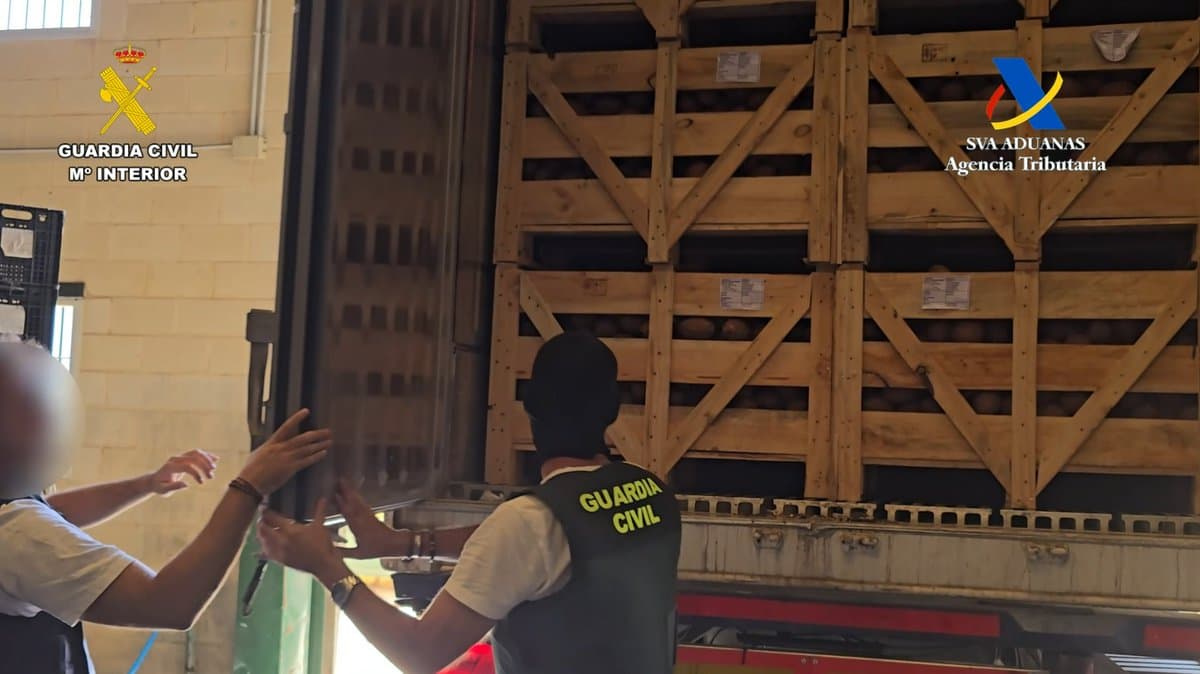
“#OperacionesGC | Interceptados 1.283 kilos de cocaína ocultos en un cargamento de cocos en Sevilla, en un contenedor de transporte justo cuando se iba a entregar la mercancía. 👨🦱 Han sido detenidas dos personas y se ha incautado tanto dinero en efectivo como dispositivos”

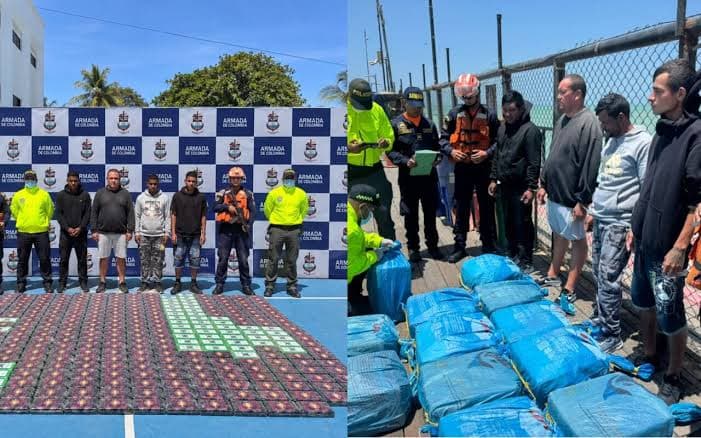
“Colombia: A total of 297 kg of cocaine was seized during a joint naval operation in the northern Caribbean, where Navy and Dutch Armed Forces intercepted a Go Fast boat carrying 12 bales of cocaine and detained four Venezuelan nationals.”
Coca-Cola's $10B U.S. Manufacturing Bet
The Brief
Stay curious
AI and technology: what changes and why it matters.
Your daily selection, in English or Spanish.
Free forever. Unsubscribe anytime.
More stories



Conversation
Start the conversation