
 The Specialty News
Anker Drops a 7.2-Billion-Op AI Chip Into Hearing Aids — Weeks After a $100M Pioneer Collapsed
The electronics giant is betting its consumer audio supply chain can solve the holy grail of audiology: 90% speech clarity in a crowded room.
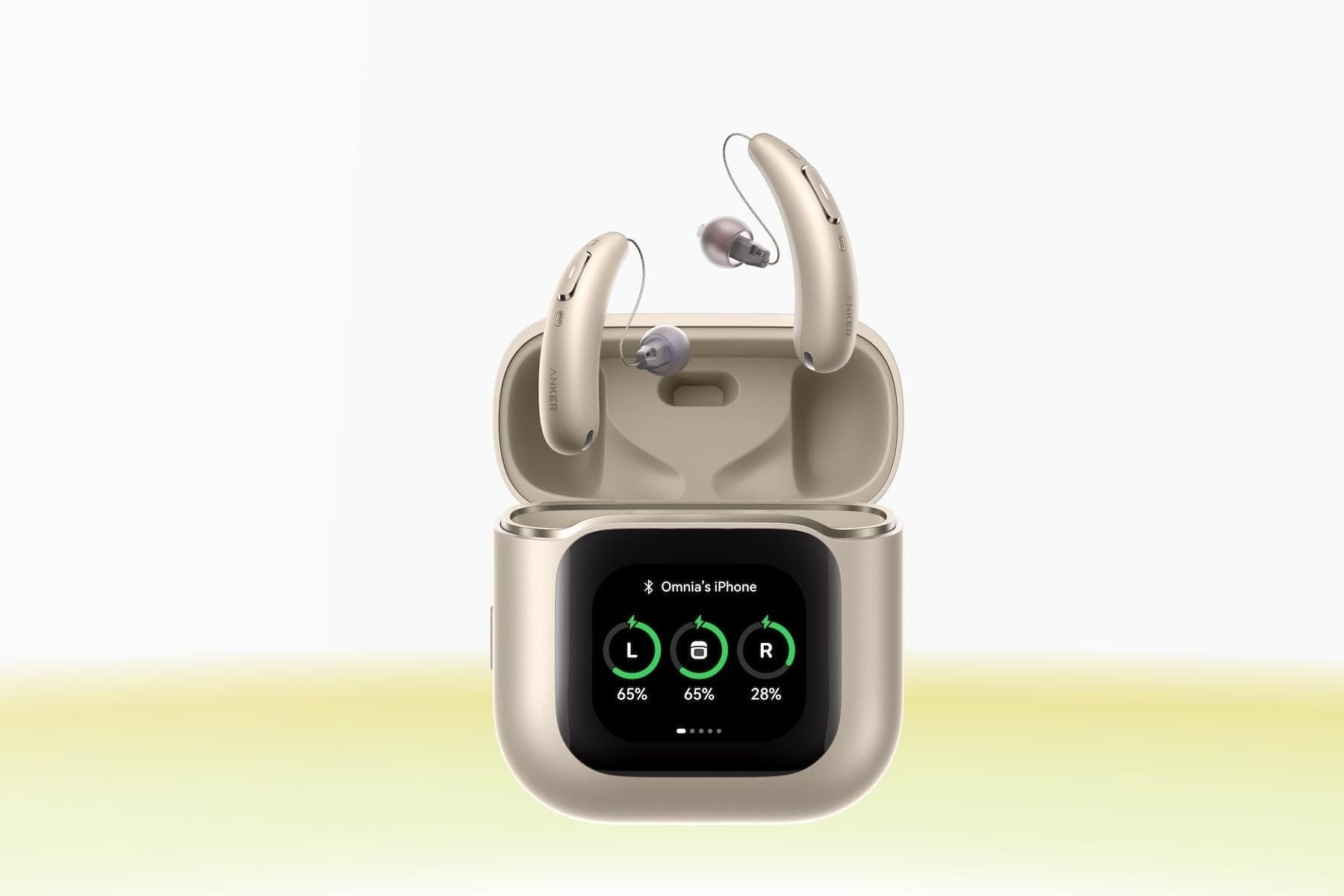
Ten weeks after launching its flagship product, a $100 million hearing aid pioneer abruptly died. LXE Hearing, the parent company of Eargo and Lexie, entered an assignment for the benefit of creditors in July 2026, abandoning its ambition to dominate the US over-the-counter hearing market. The implosion left a massive vacuum in affordable audiology. Now, the company best known for keeping airport smartphones charged is stepping in to claim it.
The Medical Trap
When the FDA opened the over-the-counter hearing aid market in August 2022, the mandate was accessibility. Traditional hearing aid makers responded by attempting to strip down expensive medical devices to hit lower price points. It failed. Legacy brands charging upwards of $1,500 could not survive a race to the bottom against $300 alternatives.
Nic Klopper, CEO of the freshly merged LXE Hearing, tried to build a sustainable superpower but ultimately lost the price war. The company announced its US wind-down in July, cutting off app support for existing customers by October 2026. The medical-first approach proved too rigid for retail.
Anker is attempting the exact opposite strategy.
Solving the Restaurant Problem
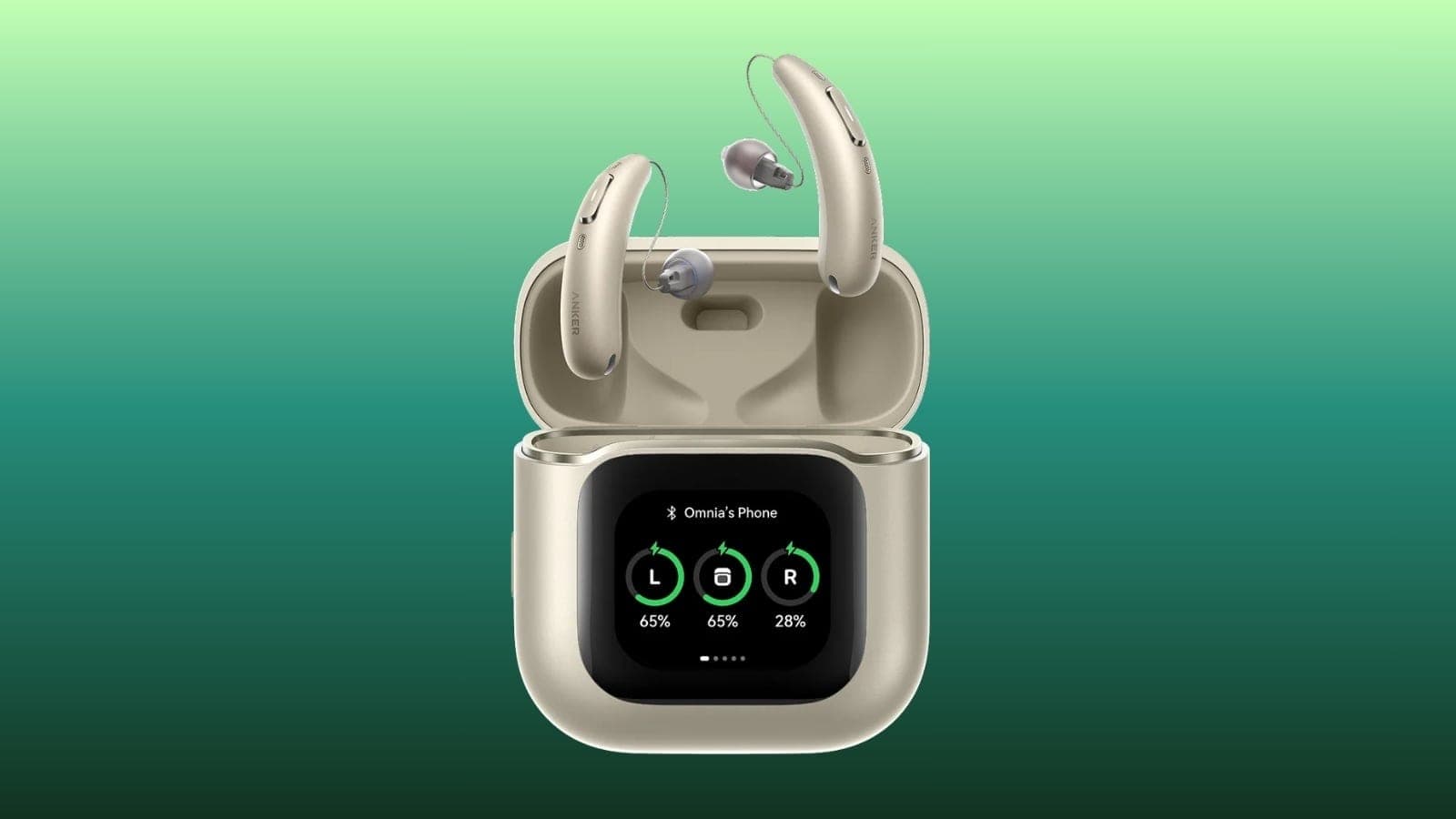
Rather than stripping down a medical device, Anker is upgrading a consumer earbud. The company is taking the proprietary THUS AI chip used to isolate voices on standard phone calls and dropping it into its first receiver-in-canal hearing aids.
Crunching data from four beam-forming microphones at that speed allows the device to map acoustic environments instantly. Anker claims this processing yields 90% speech intelligibility in chaotic spaces like parties and restaurants. This isolated focus is the holy grail of audiology, targeting the exact frustration that causes thousands of users to abandon their aids entirely. The processing load is staggering, packing the calculation speed of an early smartphone into a tiny piece of plastic solely to sort human voices from background clatter.
Anker is also applying its battery expertise to the hardware, offering two hours of hearing time from a five-minute fast charge. But raw specs do not automatically translate to medical success.
What people are saying

“Today, a16z is announcing the Machine Age Fund, a new $1.1 billion fund for founders rebuilding what intelligence runs on: chips, memory, networking, systems software, power, and the machines that bring AI into the physical world. Ben Horowitz, Martin Casado, and Raghu Raghuram”

“Exclusive: Andreessen Horowitz, which backed SpaceX and Anduril, raised $1.1 billion for a Machine Age fund to invest in chips, robots and other hardware as the AI infrastructure bottleneck intensifies”

“Andreessen Horowitz (a16z) has raised $1.1 billion for its Machine Age Fund, a new vehicle focused on accelerating the physical infrastructure needed to support AI. The fund will invest across the AI hardware stack, including chips, memory, networking, storage, data centers,”
Anker Rethinks the Hearing Aid
The Brief
Stay curious
AI and technology: what changes and why it matters.
Your daily selection, in English or Spanish.
Free forever. Unsubscribe anytime.
More stories
Conversation
Start the conversation