
 The Specialty News
Amazon Buys Decart's Chip-Tuning Tech in a Reported $7.5B Bet on Trainium
Decart says its software makes the same Trainium3 chip produce 30 times more frames per second, and its three founders and their engineers are joining Amazon.
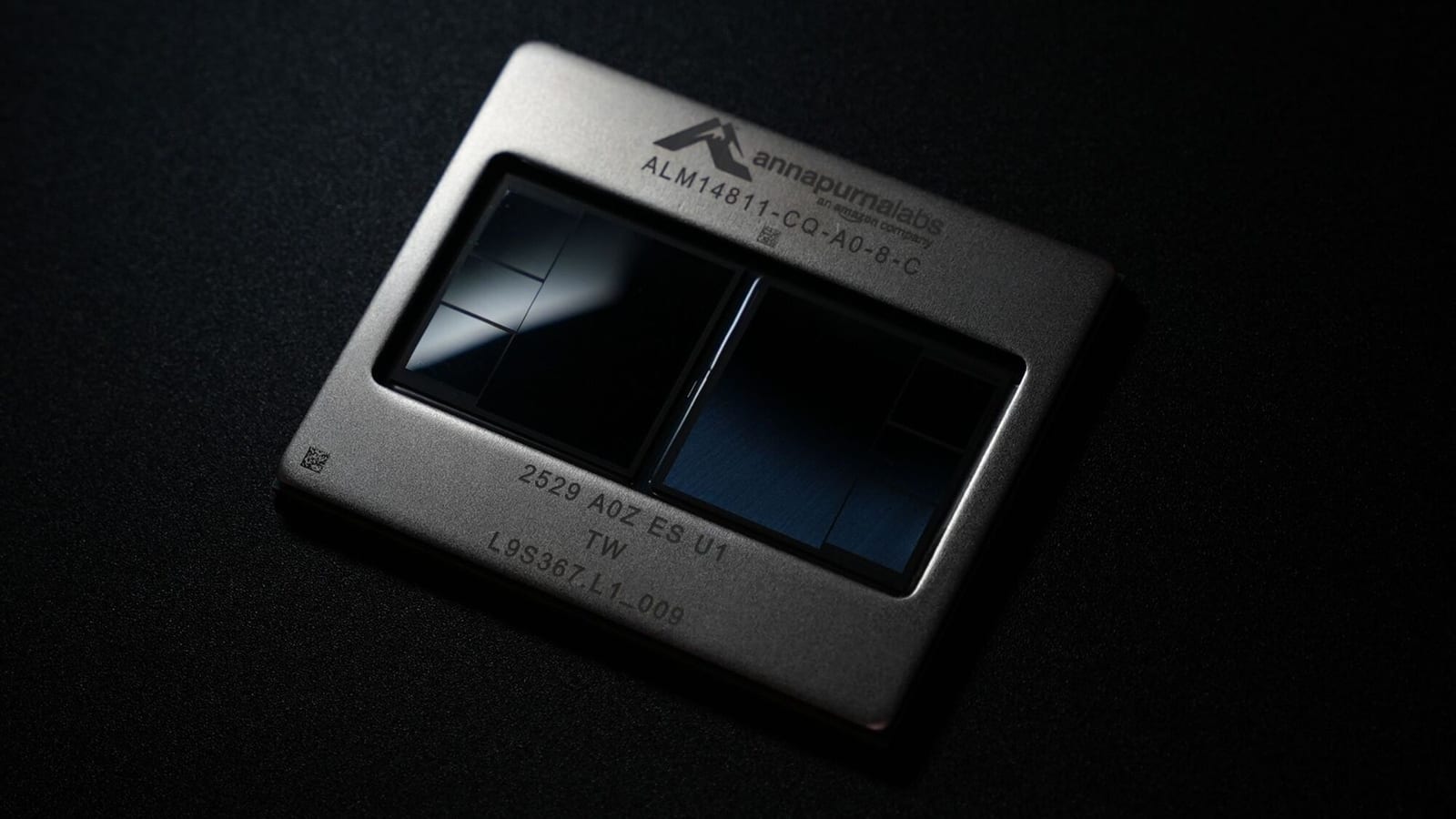
In September 2023, Decart was a new company with three founders. On Monday, Amazon signed an agreement to buy the technology behind its Decart Optimization Stack and bring those founders and their AI researchers and engineers aboard, in a deal Bloomberg valued at about $7.5 billion. The software tunes AI models to run faster on specific chips, and Amazon wants it working on Trainium, the processor it designs to train and run AI for its cloud customers. More work from every chip means cheaper AI for everyone renting them.
What a Reported $7.5 Billion Buys
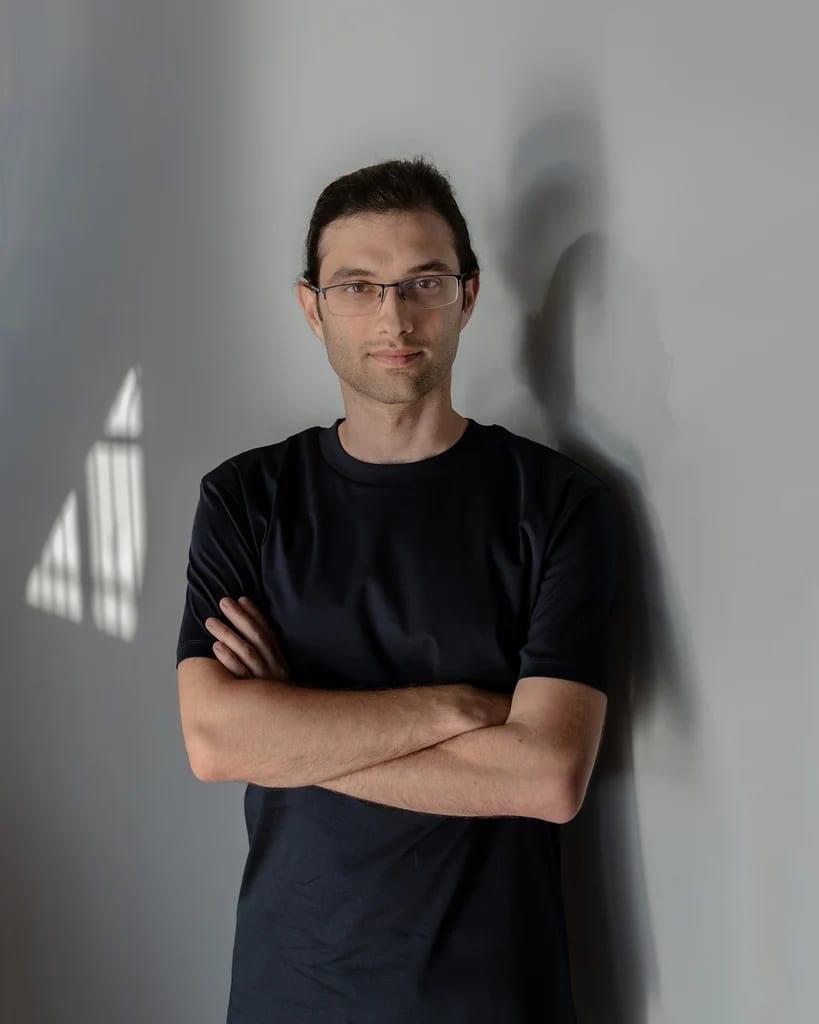
Amazon's announcement is precise about the shape of the deal. It is buying "the proprietary technology behind the Decart Optimization Stack," known as DOS, and bringing on co-founders Dean Leitersdorf, Orian Leitersdorf and Moshe Shalev along with their researchers and engineers. Amazon did not disclose a price. Bloomberg, citing a person familiar with the matter, put it at about $7.5 billion, and reported that Decart's own AI models are not part of the purchase. The deal still needs regulatory clearance.
The number makes more sense next to the company's short history. Decart raised a $21 million seed round led by Sequoia in October 2024, a $32 million Series A led by Benchmark two months later, and $100 million in August 2025 at a $3.1 billion valuation. A $300 million round led by Radical Ventures followed in May 2026.
Decart says it runs on "a little over a hundred people" across Tel Aviv, New York and San Francisco. At the reported price, that is roughly $70 million for each of them. So what does that team know how to do?
The Layer Between the Model and the Chip
Most people think of AI as two things: the model and the hardware. DOS lives in between. Decart describes it as software that "sits between the model and the chip, tuning the kernels, compilers and runtime to the hardware," the low-level instructions that decide how fast a calculation actually runs.
Decart learned the trade on its own products. It builds real-time video models such as Oasis, a world model that generates a game as you play it, and Lucy, which edits live video. Generating video frame by frame, fast enough to feel live, forces you to wring every bit of speed out of a chip.
Amazon has been watching those results up close. It began working with Decart in 2025, and when it launched Trainium3 that December it said Decart was achieving 4x faster frame generation at half the cost of GPUs. Decart says the same software brings 8x gains on Google's TPUs, which is part of why so many buyers came knocking.
Why Every Cloud Wants More From Each Chip
Amazon was not the only suitor. Bloomberg reported that Anthropic held talks in August to buy Decart for about $6 billion before walking away in September. Israeli outlet Globes reported that the Amazon deal is tied to performance targets over five years and that the founders committed to stay that long.
For Amazon, the payoff is in its own silicon. Trainium competes with Nvidia's GPUs on price, and every gain in speed from software is a gain that does not require a new chip. Bloomberg also reported that Amazon is preparing to sell Trainium to other data center builders next year, which would put Decart's tuning in far more hands than Amazon's own.
“Every leap forward in AI starts with getting more out of every chip.”— Peter DeSantis, Amazon
Leitersdorf framed the move as a matter of reach: "Joining Amazon gives our team the scale, the customers, and the infrastructure to pursue that mission." If DOS delivers on Trainium what it delivered for Decart's own video models, the same rack of chips will do several times more work, and the price of running AI on it can fall with it.
Decart's Three-Year Run to Amazon
The Brief
Stay curious
AI and technology: what changes and why it matters.
Your daily selection, in English or Spanish.
Free forever. Unsubscribe anytime.
More stories




Conversation
Start the conversation