
 The Specialty News
Waymo Attacks Tesla's $0.81-Per-Mile Cybercab — and Warns of Black Box Crashes
The Alphabet subsidiary just launched a preemptive strike against Elon Musk's pure-vision AI, arguing that cheap neural networks aren't safe without a physics-based safety net.
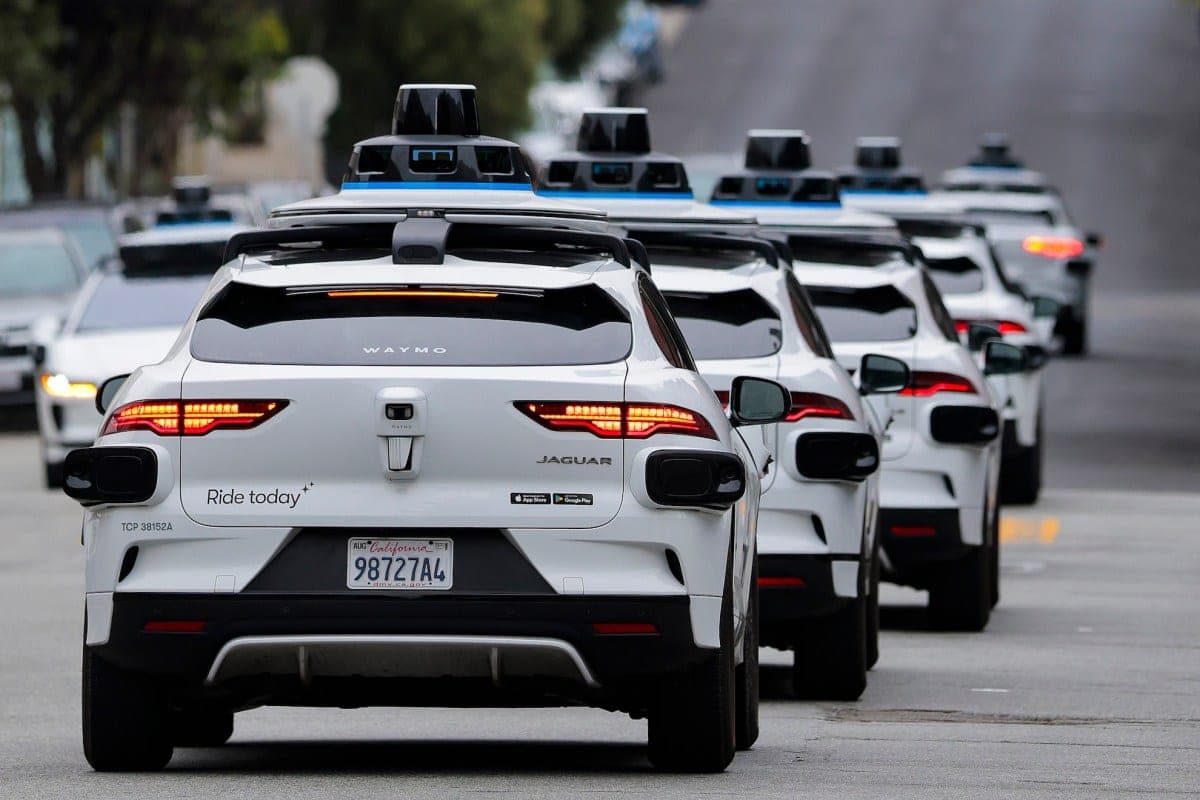
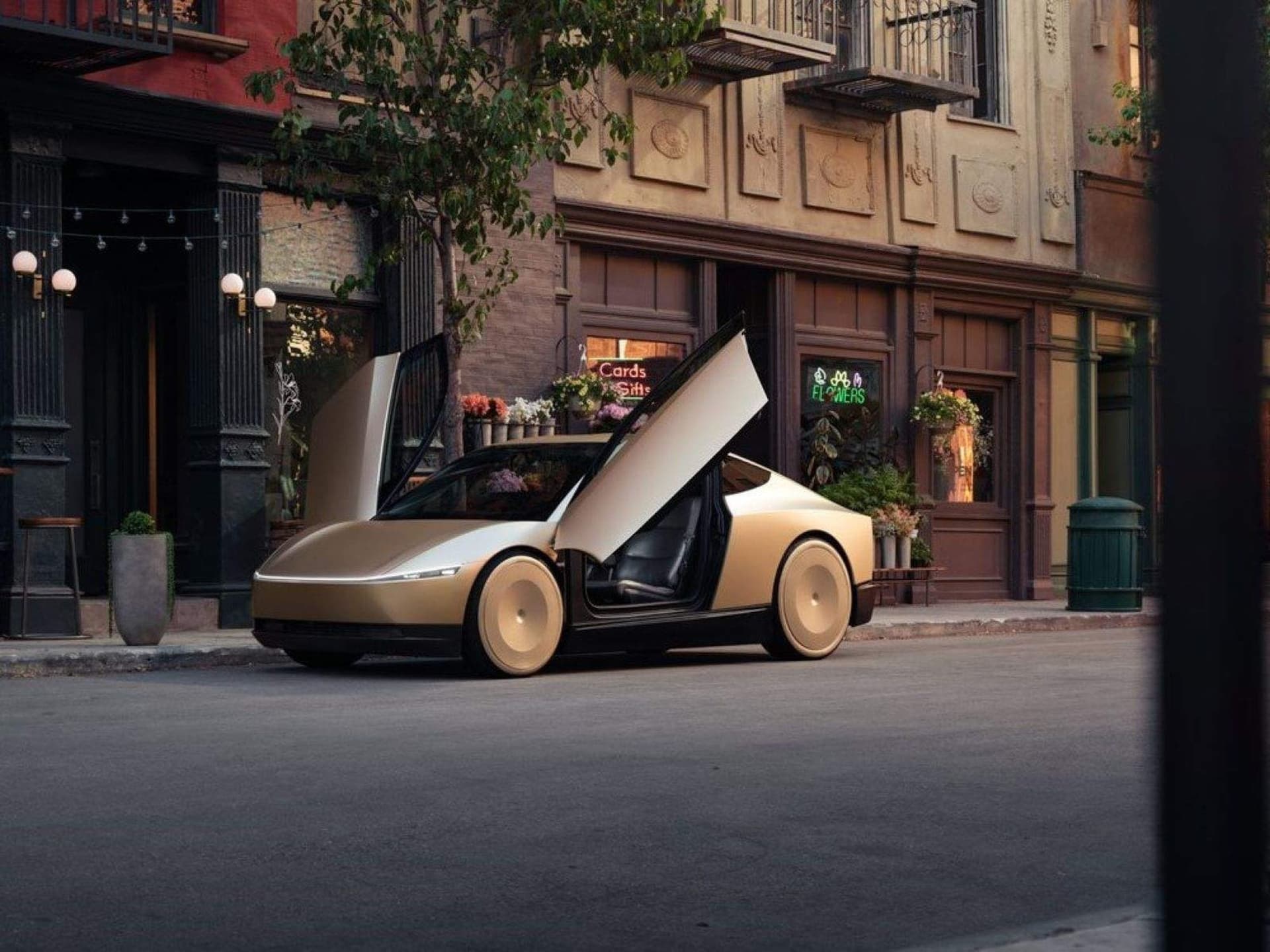
Forty-five steering-wheel-less Tesla Cybercabs are staged in Austin right now, waiting for tomorrow's official launch. Waymo isn't waiting for the ribbon-cutting. Days before Elon Musk's fleet rolls onto public roads, the Alphabet-owned incumbent dropped a 10-point manifesto explicitly designed to brand Tesla's entirely camera-based approach not as an innovation, but as a fatal, unverified gamble.
The Black Box Offensive
For a decade, Waymo and Tesla operated on parallel tracks. Waymo co-CEO Dmitri Dolgov methodically built a highly regulated, geofenced Level 4 robotaxi service. Musk sold millions of consumer cars with supervised driving, promising a future software update would awaken full autonomy. Now, those tracks are colliding in Texas.
Waymo's preemptive strike targets the core of Tesla's architecture: end-to-end artificial intelligence. Musk bet his company on feeding human driving data into a neural network that takes in raw pixels and directly outputs steering commands. Waymo publicly labeled this approach a dangerous black box that cannot be trusted without a separate, physics-based safety net to constrain the AI's impulses.
“While Waymo's system transforms sensors into driving decisions in real time, we've added an independent onboard validation layer. This architectural choice is non-negotiable for safely scaling at L4.”— Waymo
Waymo frames this as a moral stand for public safety. But beneath the engineering critique lies a brutal economic reality.
The $0.81 Threat
The ideological battle over radar and cameras is actually a war over unit economics. Waymo's vehicles are bristling with hardware, including spinning LiDAR pucks that can cost up to $8,000 each. Tesla stripped radar and LiDAR from its cars entirely to rely on cheap cameras.
A gap of fifty-five cents sounds trivial, but at scale, it is the difference between operating a mass-transit substitute and running a niche limousine service. Morgan Stanley estimates Tesla can drive costs down to 81 cents per mile, while Waymo hovers above $1.36. If regulators and consumers accept Tesla's cheap, vision-only AI, Waymo's capital-intensive hardware strategy is financially doomed.
Tesla's cost advantage relies on regulators accepting a machine that nobody fully understands.
What people are saying

“Tesla's "Exclusive" Cybercab Launch Event is just 4 days away & it is a major milestone & launch for the company, perhaps as important as the original 2012 Model S or the 2017 Model 3. What do I hope Tesla will tell us & what should the event be like?”

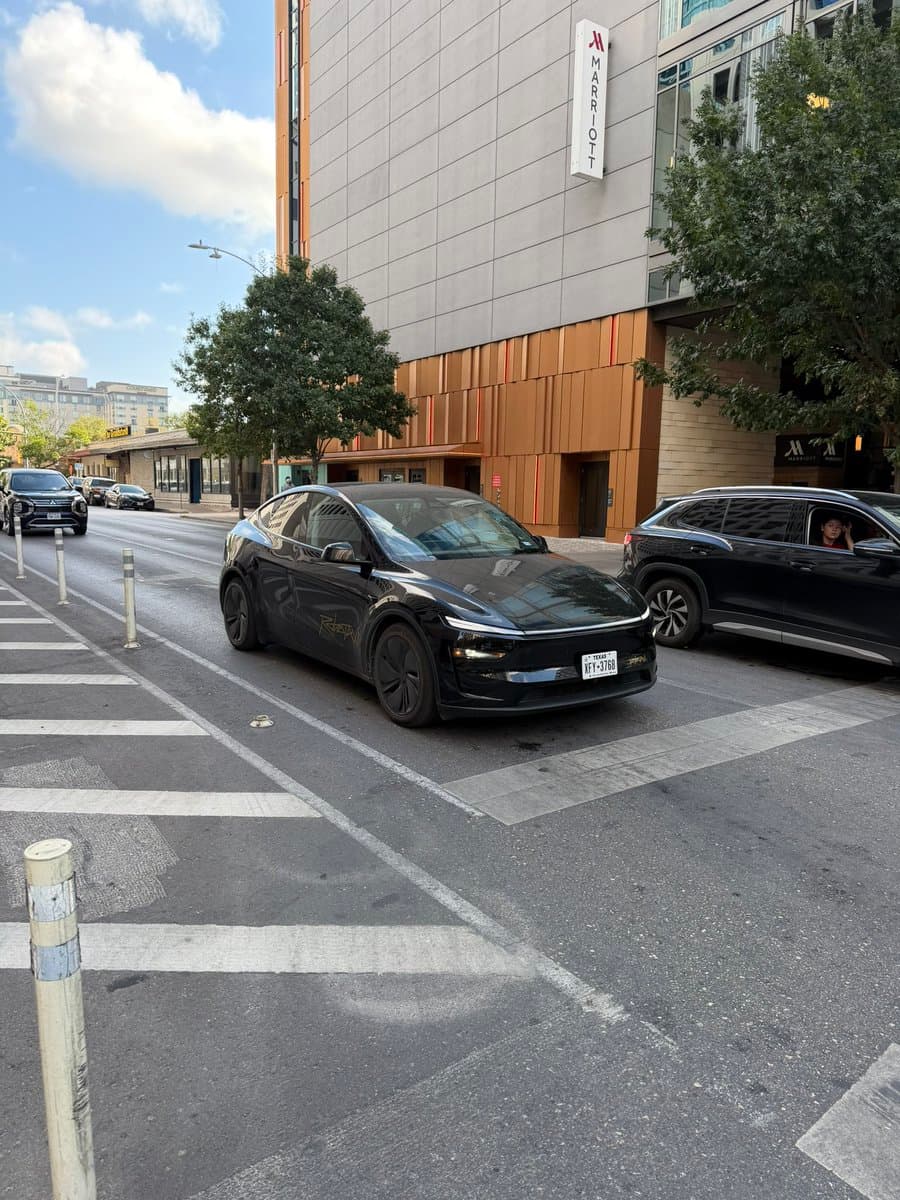
“Tesla CyberTaxis all over downtown Austin today. Seeing as many of them as Waymo which is a first for me. Getting ready for the Sep 3 event no doubt.”

“Dashcam footage captured the moment a Waymo driverless vehicle collided with another car in Santa Clara County, California on August 23.”
Economics Drive the Robotaxi War
The Brief
Stay curious
AI and technology: what changes and why it matters.
Your daily selection, in English or Spanish.
Free forever. Unsubscribe anytime.
More stories

Conversation
Start the conversation