
 The Specialty News
The Strategic Shift in the Middle East Conflict
As military operations against Iran intensify, the administration claims total battlefield dominance.
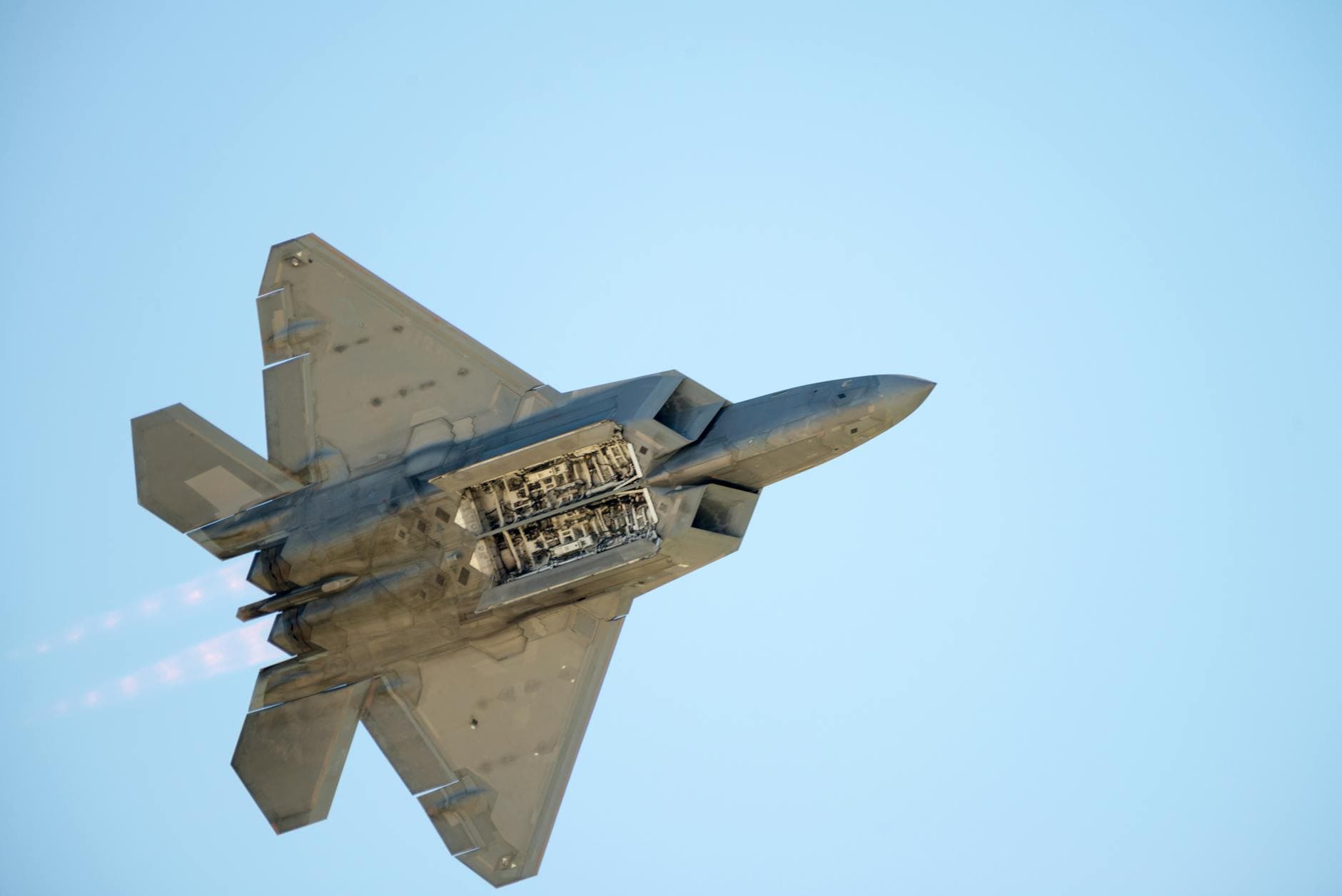
The military campaign against Iran, which ignited on February 28, 2026, has shifted from limited containment to an aggressive, large-scale kinetic operation. President Trump recently characterized the state of the conflict with striking confidence, describing the near-total dismantling of Iran’s conventional forces. This marks a pivotal moment in Middle Eastern geopolitics, as the U.S.-Israeli alliance pursues the complete neutralization of Iran’s missile programs and nuclear infrastructure.
Dismantling the Iranian Defense Apparatus
The scale of the destruction reported is massive. Intelligence assessments and official statements indicate that U.S. and Israeli air superiority has been firmly established over Tehran and western Iran. President Trump noted that the Iranian military—army, navy, and air force—has been effectively incapacitated, with specifically 32 naval vessels reportedly destroyed. Beyond the conventional military, the conflict has already reached the top tier of the Iranian state. Following the death of Supreme Leader Ayatollah Ali Khamenei in an early strike, officials suggest the government has been forced into leadership succession amid the chaos of the campaign.
Critical infrastructure has not been spared. Key sites central to Iran’s nuclear program, including the facility at Natanz, have been subjected to direct strikes. Reports suggest that roughly half of Iran's mobile missile launchers were disabled within the opening days of the operation, significantly curbing their ability to launch counter-attacks. While Iran has attempted to strike back at U.S. bases and regional allies, the cumulative impact of the combined-arms campaign has left their traditional defensive posture in tatters.
The Day After and the Unclear Endgame
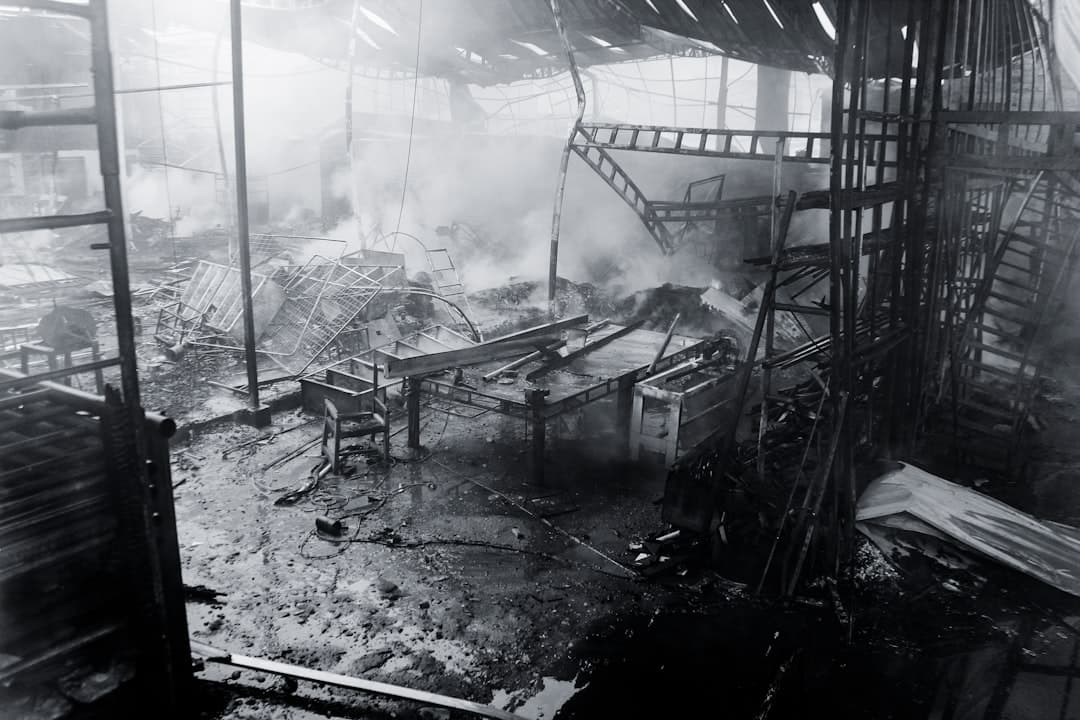
While the military success on the ground is evident, a significant question looms over the strategic outcome: what defines victory? The current campaign represents a departure from years of sanctions-heavy containment. However, the lack of a clearly defined endgame leaves experts concerned about a massive power vacuum in the region. If the current regime collapses completely, the challenge of maintaining stability in a fractured Iran will be immense, potentially creating long-term regional instability.
“the lack of a clearly defined endgame leaves experts concerned about a massive power vacuum in the region.”
Energy markets and U.S. allies in the Middle East remain on high alert as the broader regional crisis continues to unfold. The shift toward direct, kinetic regime-neutralization creates a high-stakes environment where every move could ripple into global supply chains. Moving forward, the focus will likely shift from active combat to managing the fallout of a post-Khamenei Iran. The opportunity exists for a new regional security architecture, but the path to achieving it involves navigating high-risk humanitarian and political risks that will define the next chapter of 2026.
Anatomy of the Iran Campaign
The Brief
Stay curious
AI and technology: what changes and why it matters.
Your daily selection, in English or Spanish.
Free forever. Unsubscribe anytime.
More stories



Conversation
Start the conversation