
 The Specialty News
Gulf States Recalibrate Trillion-Dollar US Investments Amid Regional Storms
Dramatic claims of an 'empire's end' miss the deeper story of strategic economic review, not outright abandonment.
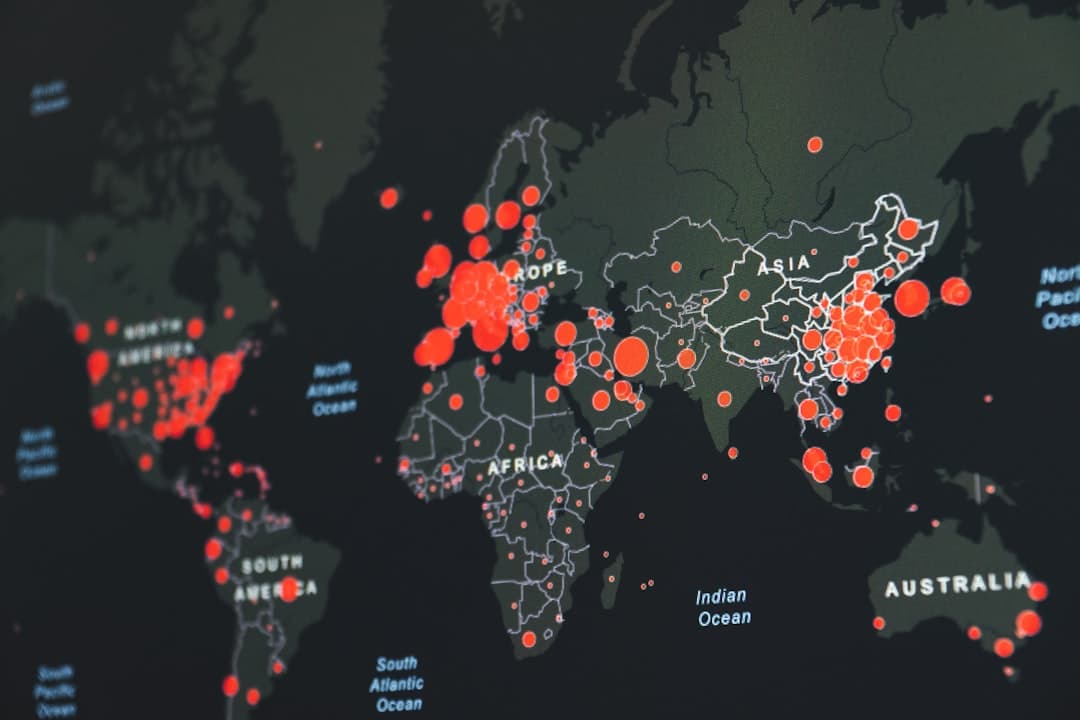
A dramatic social media post recently declared the 'END OF THE EMPIRE,' asserting that Saudi Arabia, the UAE, Kuwait, and Qatar were withdrawing from U.S. contracts and canceling investments. While the geopolitical landscape is indeed shifting, the reality is far more complex and economically substantial. These Gulf states are not abandoning their trillion-dollar U.S. commitments; they are prudently reviewing them amidst escalating regional conflicts and their own ambitious economic transformations.
The Trillion-Dollar Tango: Deepening US-Gulf Economic Ties
Forget the hype of an abrupt end; the economic ties between the U.S. and key Gulf states have only deepened, particularly during recent years. Saudi Arabia, for instance, has pledged to channel nearly $1 trillion into U.S. sectors ranging from defense and energy to cutting-edge AI and infrastructure. This isn't just oil money; it's a strategic embrace of American innovation.
The United Arab Emirates has gone even further, committing a staggering $1.4 trillion to the U.S. over a decade, focusing on areas like AI, clean energy, and advanced manufacturing. Qatar isn't far behind, with agreements valued at $1.2 trillion in defense, aviation, and technology. These are not minor transactions; they are immense, long-term investments designed to integrate and bolster both economies.
These colossal pledges were solidified during former President Trump's visits to the Gulf in 2025, where he secured over $2 trillion in commitments. These deals aimed to boost U.S. industries and secure critical supply chains. Reports, including one by the Financial Times, indicate that Gulf countries are now conducting an internal review of these commitments, considering if "force majeure" clauses—a legal term for unforeseeable circumstances—can be invoked, but this is a far cry from an immediate, total withdrawal.
Navigating Stormy Waters: Why Gulf States Are Reviewing

The impetus for this review isn't a sudden break with the U.S., but rather the harsh realities of an intensifying regional conflict involving the U.S., Israel, and Iran. This instability has a direct impact on Gulf budgets, straining them through decreased energy revenues, disrupted shipping, reduced tourism, and significantly increased defense spending. It's a pragmatic response to financial pressure.
“These are measured steps within a deeply integrated U.S.-led economic and security framework, not a revolutionary overthrow.”
Gulf leaders are motivated by a dual agenda: economic diversification, exemplified by Saudi Vision 2030, and a desire for strategic autonomy. They are exploring partnerships beyond the U.S., notably with China, and engaging in discussions about "de-dollarization" for certain transactions. However, these are measured steps within a deeply integrated U.S.-led economic and security framework, not a revolutionary overthrow.
What does this mean for the future? The relationship is evolving, becoming less about simple oil-for-security and more about complex economic interdependence. The challenge ahead is translating these multi-trillion-dollar pledges into tangible, completed projects while navigating ongoing regional conflicts. This requires sustained diplomatic engagement and de-escalation of tensions to ensure mutual prosperity and stability.
Withdrawal vs Review
The Brief
Stay curious
AI and technology: what changes and why it matters.
Your daily selection, in English or Spanish.
Free forever. Unsubscribe anytime.
More stories





Conversation
Start the conversation