
 The Specialty News
Energy Markets Face Historic Shock as Shipping Rates Skyrocket 750 Percent
A critical chokepoint closure turns global gas logistics upside down overnight
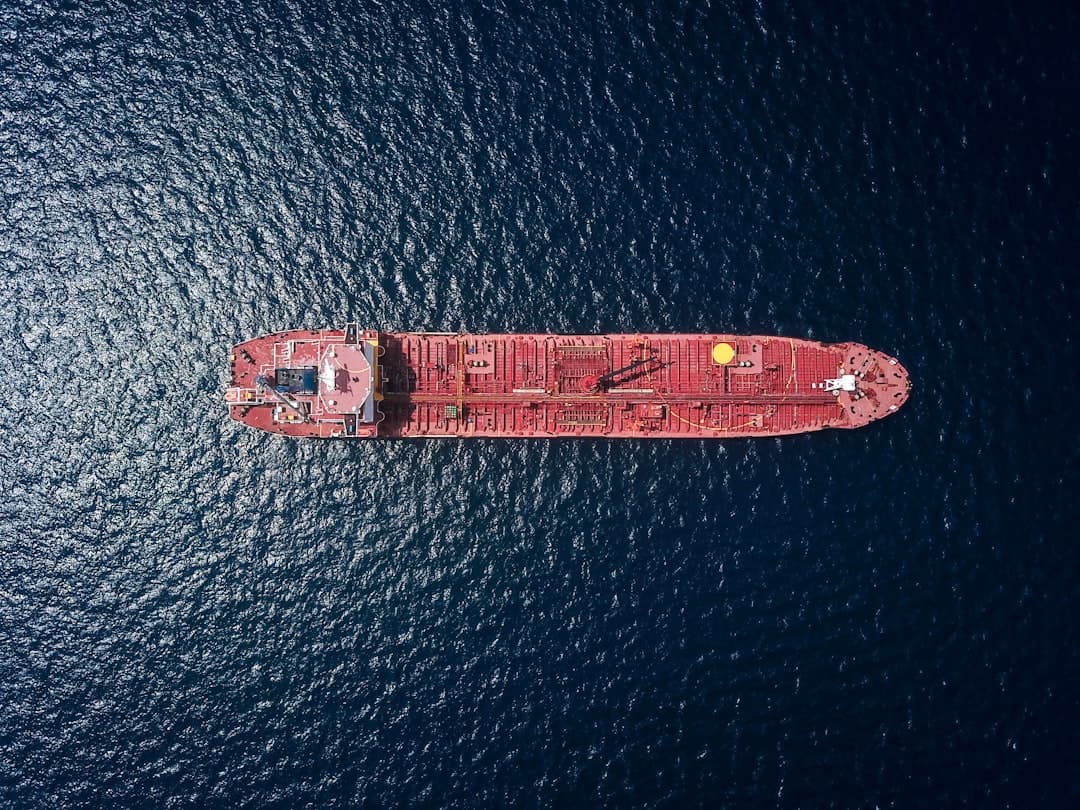
The lifeblood of the global energy trade has hit a sudden, violent bottleneck. Following a major escalation in regional hostilities, transit through the Strait of Hormuz—the world’s most vital energy chokepoint—has collapsed by over 80 percent. The result is an immediate, punishing spike in logistics costs, with daily LNG shipping rates jumping 750 percent in a matter of days.
The Collapse of a Global Lifeline
The numbers behind this disruption are staggering. As of early March 2026, roughly 1.056 million metric tons of LNG remain stranded on 13 vessels stuck in the Persian Gulf. With major producers like QatarEnergy forced to issue declarations of force majeure after strikes on key facilities at Ras Laffan and Mesaieed, the market is no longer dealing with simple delays; it is facing a fundamental break in the supply chain.
Insurance providers have exacerbated the chaos. By issuing 72-hour cancellation notices for war-risk coverage in the region, the industry has effectively slammed the door on commercial transit. This has triggered a desperate race to the spot market, which has ballooned from its usual 10 to 15 percent of trade to nearly 40 percent. Traders are paying a massive premium for any available vessel, pushing the cost of chartering a single carrier to a staggering $300,000 per day.
Rewriting the Energy Playbook
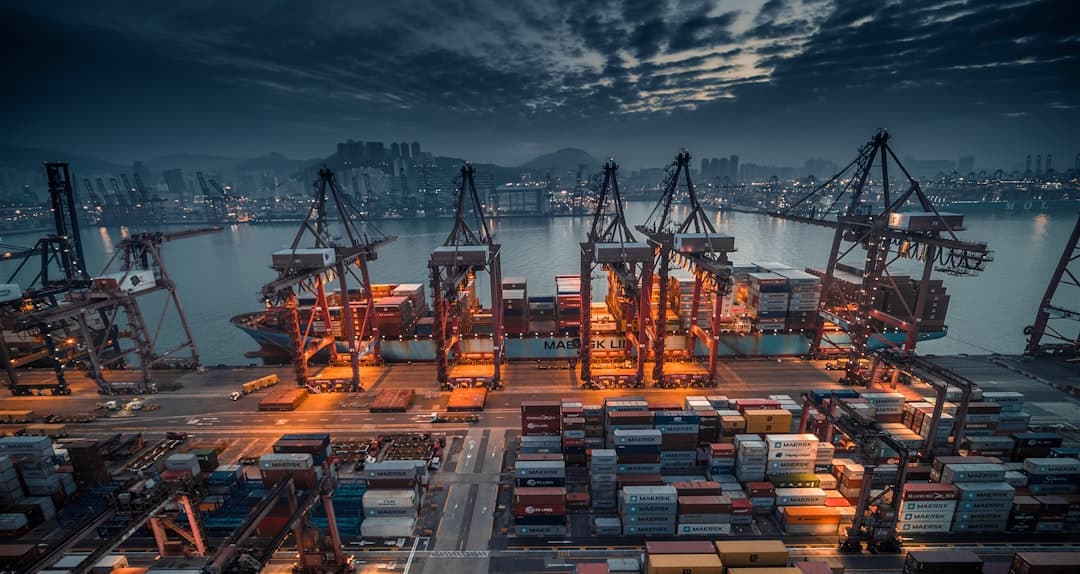
This crisis signals the end of business-as-usual for energy security. Unlike crude oil, which can often be diverted through land-based pipelines, the world’s LNG infrastructure is uniquely tethered to the sea. The current paralysis exposes a fragile, just-in-time reliance on the Strait that leaves few alternatives for buyers in Asia and Europe, forcing them to look toward coal as a desperate, short-term substitute if the disruption lingers.
“This isn't just a market fluctuation—it is a structural re-ordering of how the world powers itself.”
Looking ahead, this event marks a permanent shift toward higher-cost energy volatility. As the U.S. pushes production to its technical limits, the global market is learning a hard lesson about the dangers of extreme supply concentration. We are moving toward a future where energy security is no longer a given, but a commodity priced by the resilience of the vessels that carry it. This isn't just a market fluctuation—it is a structural re-ordering of how the world powers itself.
Chokepoint Economics
The Brief
Stay curious
AI and technology: what changes and why it matters.
Your daily selection, in English or Spanish.
Free forever. Unsubscribe anytime.
More stories




Conversation
Start the conversation