
 The Specialty News
Trump Flipped the Board and China is Running on Fumes
The U.S. just blew up the Persian Gulf’s discount energy market, and Beijing is left holding the bill.
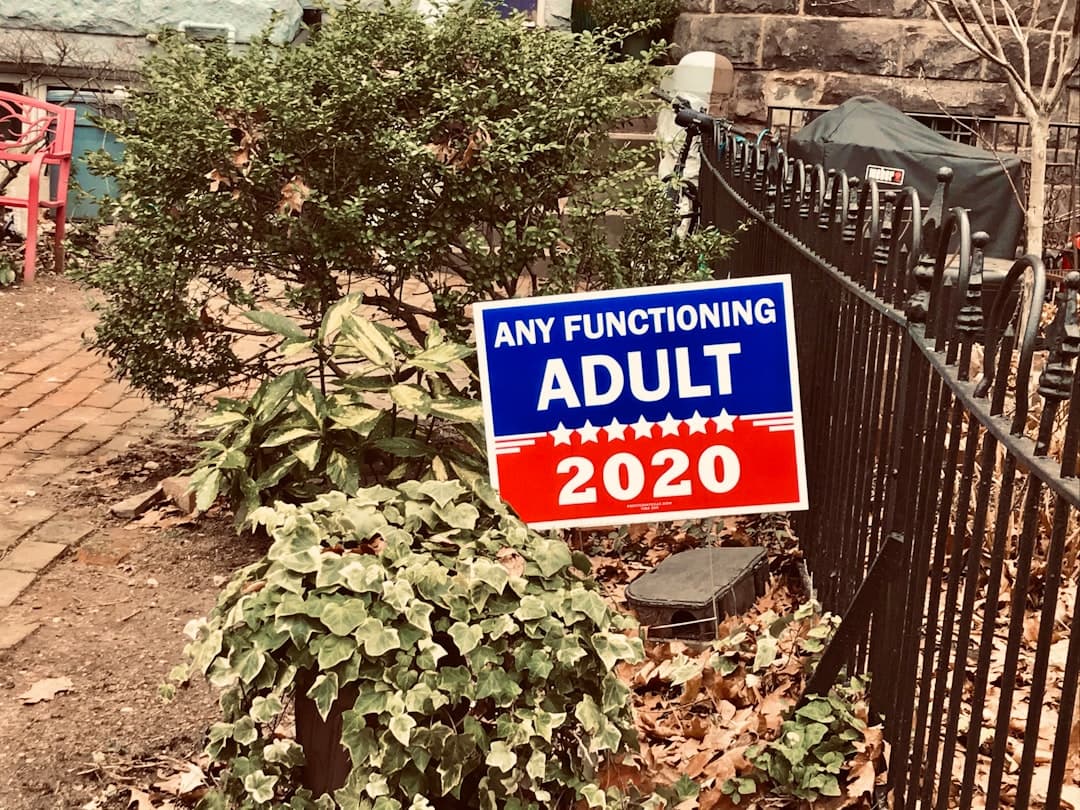
If you thought global energy markets were a boring game of spreadsheets and dry supply-demand charts, the last few weeks have provided a violent wake-up call. By turning the Persian Gulf into a no-go zone, the Trump administration hasn't just tweaked the rules of the game—they’ve incinerated the board. China, which relies on Iran for roughly 13% of its seaborne crude, is now watching its 'geopolitical pivot' turn into a logistical nightmare.
The End of the Discount Buffet
For years, Beijing has played the master of shadow logistics, buying discounted, sanctioned oil from Iran and Venezuela like a savvy shopper at a clearance outlet. It was a neat trick: avoid the dollar, thumb your nose at Western sanctions, and keep your industrial engines humming at below-market rates. Trump decided that trick was played out, choosing instead a strategy of kinetic intervention that makes the 1970s oil shocks look like a minor supply hiccup. After the recent campaign of 'regime decapitation' strikes in Iran, that cheap oil has effectively been vaporized.
It’s not just the hardware that’s broken. The Strait of Hormuz, the world’s most claustrophobic maritime artery, is essentially closed. It isn't a legal decree from a diplomat; it’s the quiet, cold reality of the maritime insurance market. When war-risk premiums for tankers hit the stratosphere, the ships stop moving. The result is a massive bottleneck that has left thousands of vessels idling in limbo, creating a supply chain crisis that won’t be solved by a few diplomatic phone calls.
The Bitter Lesson of Overextension
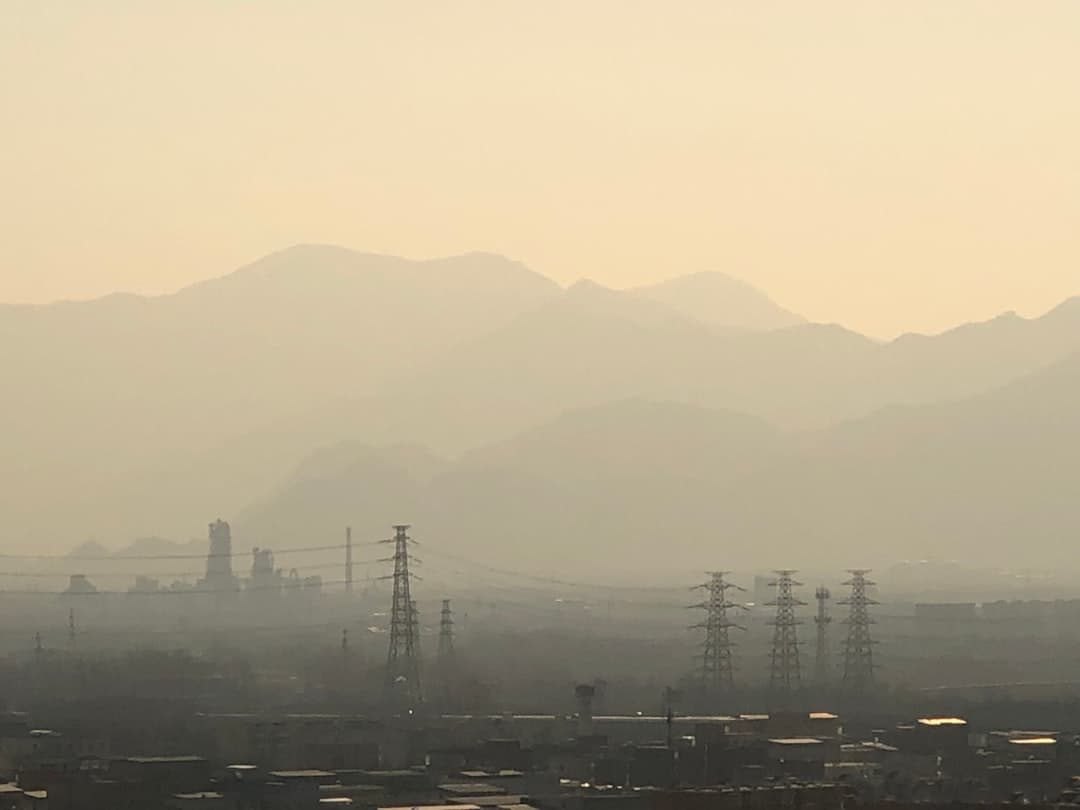
The lesson here is simple, even if the fallout is complex: global leverage is only as strong as the physical infrastructure it sits on. Beijing assumed that as long as they had a friendly client state in Tehran, their energy security was 'locked in.' But when you outsource your national energy security to a regime that is essentially a target, you aren't playing chess—you're just gambling. While China has about 8-12 months of strategic reserves to cushion the immediate blow, they are now forced to compete for energy on the open market, driving up costs for their already-strained manufacturing sector.
“when you outsource your national energy security to a regime that is essentially a target, you aren't playing chess—you're just gambling.”
Meanwhile, the U.S. is sitting comfortably behind the 'shale shield,' a domestic production base that acts as a geopolitical shock absorber. Sure, Americans will feel the pain at the pump, but it’s a temporary nuisance compared to the structural damage being inflicted on Beijing’s industrial base. If this is the new 'Trump Playbook'—identify the adversary's weakest supply link and physically excise it—then the world is about to get a lot more expensive, and a lot less stable.
The Discount Is Over
The Brief
Stay curious
AI and technology: what changes and why it matters.
Your daily selection, in English or Spanish.
Free forever. Unsubscribe anytime.
More stories



Conversation
Start the conversation