
 The Specialty News
The Kurdish Invasion That Only Existed On Your Timeline
Why viral fiction is the most effective weapon in the modern theater of war
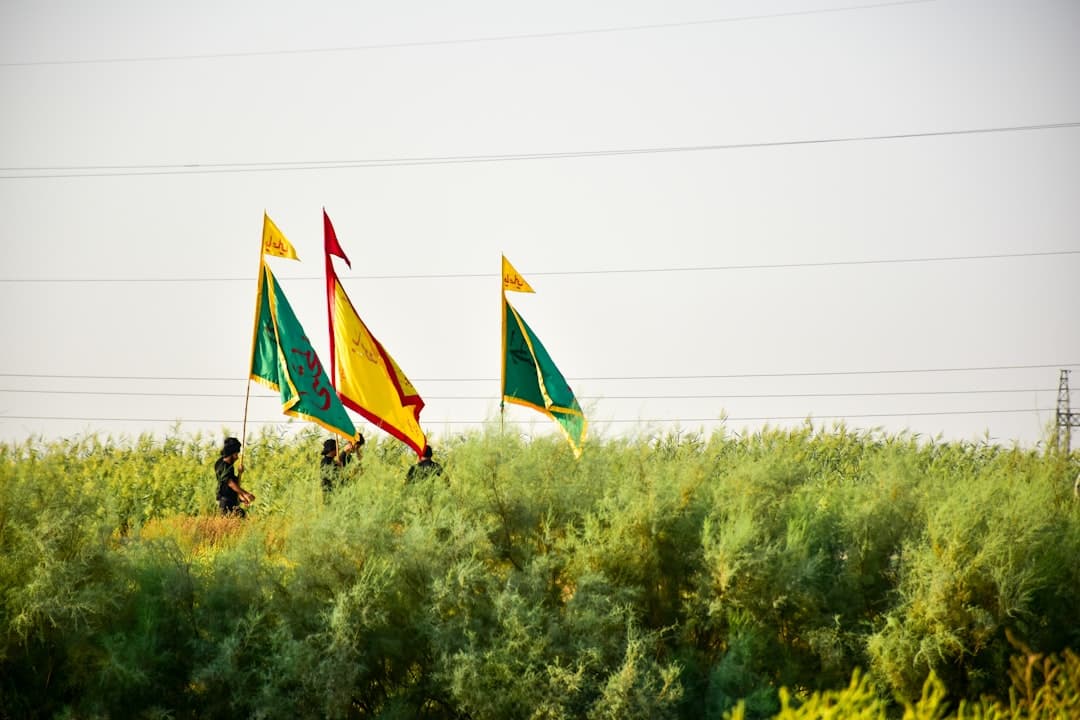
The internet is currently having a collective hallucination about a massive ground invasion of Iran, and frankly, the production value of the fantasy is better than the truth. A single tweet claiming that thousands of Kurdish fighters have poured across the border with Washington’s blessing has set social media ablaze with visions of an imminent collapse of the Iranian regime. It’s a compelling, high-adrenaline narrative that checks every box for a quick hit of geopolitical dopamine, with only one minor flaw: it hasn't actually happened.
The Architecture of a Digital Hoax
The mechanics behind the viral claim are classic information laundering. It starts with an account like @Jhonffonseca, which serves as the tip of the spear, disseminating urgent, all-caps 'breaking news' to an audience hungry for regime change. As this unverified scrap of fiction migrates through the echo chambers of social media, it gains a veneer of credibility simply by being repeated, until it’s eventually laundered through minor aggregators that treat 'somebody said' as 'somebody confirmed'.
Meanwhile, the actual ground reality is far less cinematic. Yes, Kurdish groups are posturing. They have moved some forces to border areas in a high-stakes game of chicken, and they are certainly in contact with US officials who are happy to use them as regional leverage. But moving to a border is not the same as a massive ground offensive, and US Defense Secretary Pete Hegseth has essentially told the press to stop mapping out his hypothetical strategies for him. The US isn't looking to launch a proxy army into Tehran; they are content to let the tension simmer while everyone else provides the free propaganda.
The Strategy of Manufactured Instability

So, why does this lie persist? For the Kurdish groups, cultivating the myth of imminent victory is a desperate attempt to secure actual material support from a West that historically views them as expendable assets. For Iran, it’s a gift; the regime loves nothing more than a 'foreign-funded invasion' narrative to rally a domestic audience against a phantom menace, allowing them to justify more aggressive strikes on Iraqi Kurdistan under the guise of national security.
“the perception of an offensive is often more valuable than the offensive itself, because the perception costs nothing but a few minutes of typing.”
The real lesson here isn't about military tactics; it’s about the weaponization of hope and fear in an attention-based economy. We are living through an era where the perception of an offensive is often more valuable than the offensive itself, because the perception costs nothing but a few minutes of typing. Every time we hit 'retweet' on a 'confirmed' invasion that doesn't exist, we aren't just engaging in a bit of hyperbole—we are providing the exact political cover that both sides need to keep the actual, very bloody conflict burning for another day. Truth in war has always been the first casualty, but nowadays, it's also being sold off to the highest bidder on the timeline.
Anatomy of a War Rumor
The Brief
Stay curious
AI and technology: what changes and why it matters.
Your daily selection, in English or Spanish.
Free forever. Unsubscribe anytime.
More stories




Conversation
Start the conversation