
 The Specialty News
Pentagon Targets Supplemental Funding for Ongoing Iran Conflict
As Operation Epic Fury intensifies, Capitol Hill debates the financial and strategic cost of protracted engagement

The conflict between the United States and Iran has escalated rapidly since its initiation on February 28, 2026. What was initially conceived as a surgical strike operation, codenamed Operation Epic Fury, has transformed into a high-intensity theater involving thousands of strikes and strategic bombers. As the engagement stretches beyond initial expectations, the Pentagon is reportedly preparing to ask Congress for $50 billion in supplemental funding to maintain current operations.
From Surgical Strikes to Sustained Campaign
The scale of the conflict has far surpassed early projections. With over 1,700 targets hit in the first week alone, the strategic focus has expanded from limited military infrastructure to broad, ongoing engagement against Iranian leadership and ballistic missile capabilities. The deployment of B-52 strategic bombers underscores the transition toward a full-scale regional confrontation.
This shift has forced the executive branch to reckon with the massive logistical and financial demands of a protracted conflict. The proposed $50 billion request is intended to bridge the funding gap created by this sudden expansion, covering everything from munitions resupply to the sustainment of regional bases currently under fire from Iranian drone and ballistic missile responses.
Congressional Oversight and the Prediction Market Dilemma

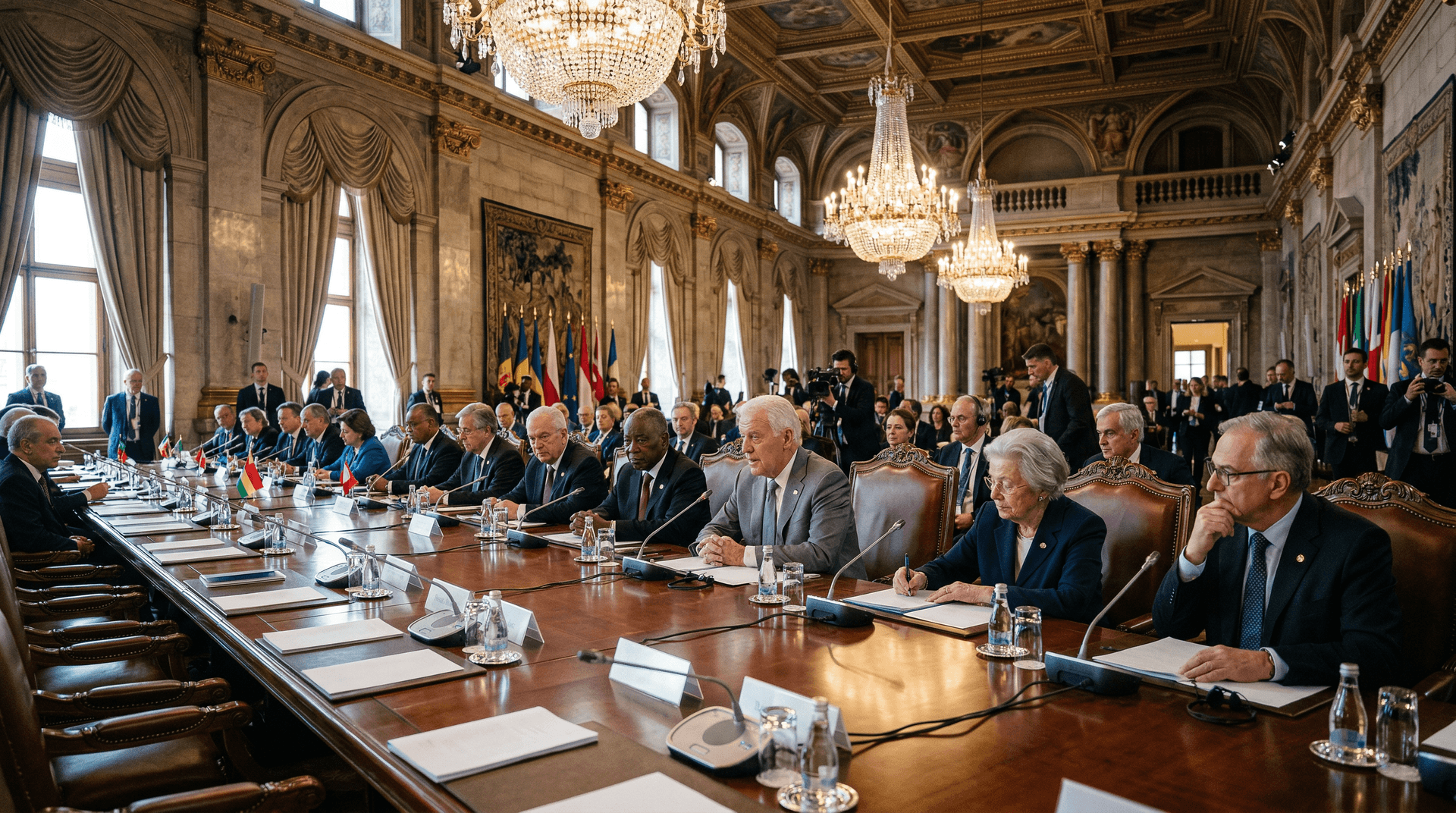
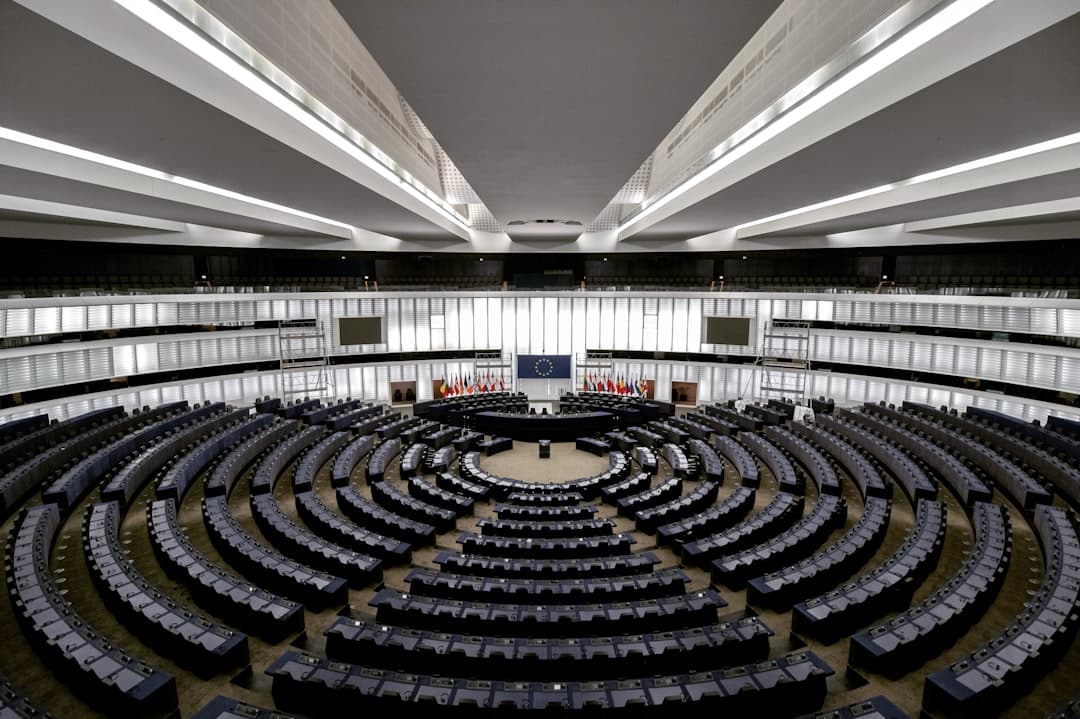
The request for supplemental funding has ignited a firestorm on Capitol Hill, where lawmakers are increasingly questioning the lack of formal war authorization. Critics argue that the use of the term 'special military operation' allows the executive branch to bypass standard legislative checks, raising constitutional concerns regarding the long-term sustainability of the conflict. Simultaneously, the broader financial world is reeling from market volatility, as capital pivots away from tech stocks toward defensive assets. This uncertainty is compounded by intense regulatory scrutiny surrounding prediction markets like Polymarket, where over $500 million in wagers on the conflict's timeline have raised alarms about the potential for war profiteering and the illicit use of classified information. As the Pentagon moves to secure its budget, the debate over how, why, and at what cost this conflict continues remains far from settled.
“the debate over how, why, and at what cost this conflict continues remains far from settled.”
The Bill Comes Due
The Brief
Stay curious
AI and technology: what changes and why it matters.
Your daily selection, in English or Spanish.
Free forever. Unsubscribe anytime.
More stories



Conversation
Start the conversation