
 The Specialty News
The Silver Ceiling: Why Global Leadership is Facing a Generational Crisis
As world leaders trend toward their late seventies, the disconnect with a younger global population reaches a breaking point.
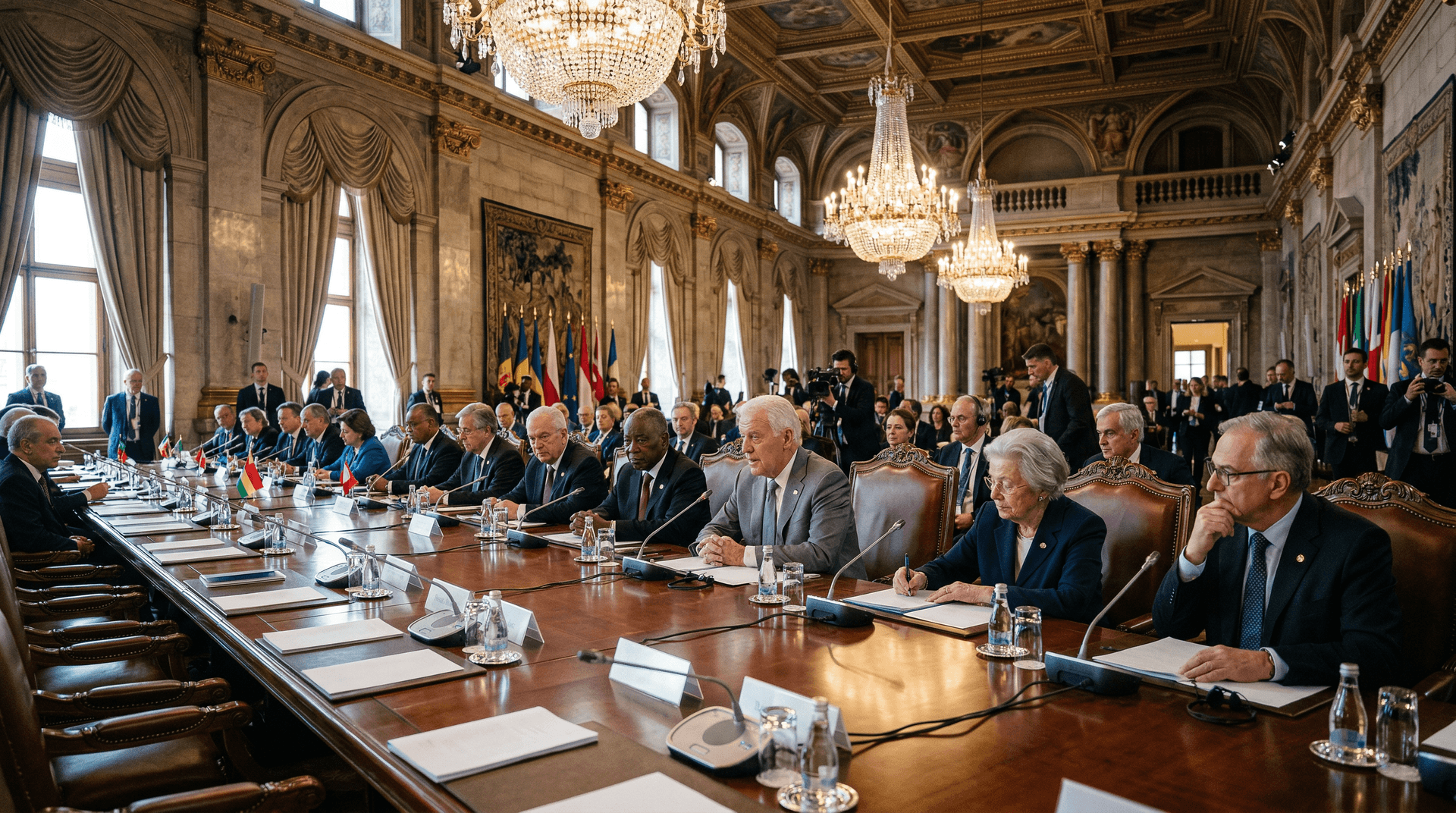
A recent viral post listed the ages of the world’s most powerful men: Putin at 71, Trump at 77, and Khamenei at 84. The message was clear: a generation that has already witnessed its peak is still holding the reins of a world hurtling toward a future they will not inhabit. This demographic disconnect is no longer just a trivia point; it is a fundamental shift in how global policy is shaped and contested.
The Legacy Trap and Geopolitical Risk
Political scientists have long warned of 'legacy-seeking' behavior in aging leaders. When a head of state enters their eighth decade, the focus often shifts from pragmatic, long-term governance to the pursuit of a historical 'final act.' For leaders like Vladimir Putin or Xi Jinping, this can manifest as a closing window of opportunity to settle territorial disputes or cement a national identity, often at the risk of global stability. This urgency creates a dangerous paradox where the quest for historical immortality outweighs the immediate desire for peace.
Data from the Pew Research Center suggests that while the global median age is roughly 30, the median age of world leaders sits at 62. Only about 12% of countries are led by individuals in their 40s or younger. This gap creates a 'Silver Ceiling' in politics, where institutional memory is valued so highly that it stifles the innovation required to navigate a rapidly changing technological landscape. When the leadership becomes a closed loop of the same generation for decades, policy tends to stagnate.
Furthermore, the systems in place in nations like Russia, China, and Iran often lack clear succession plans or term limits. This creates a political bottleneck where power is consolidated within an aging elite. This concentration of power means that the perspectives of the 'Youth Bulge'—particularly in Africa and Southern Asia where the median age is under 20—are almost entirely absent from the highest levels of decision-making.
Bridging the Digital and Climate Divide
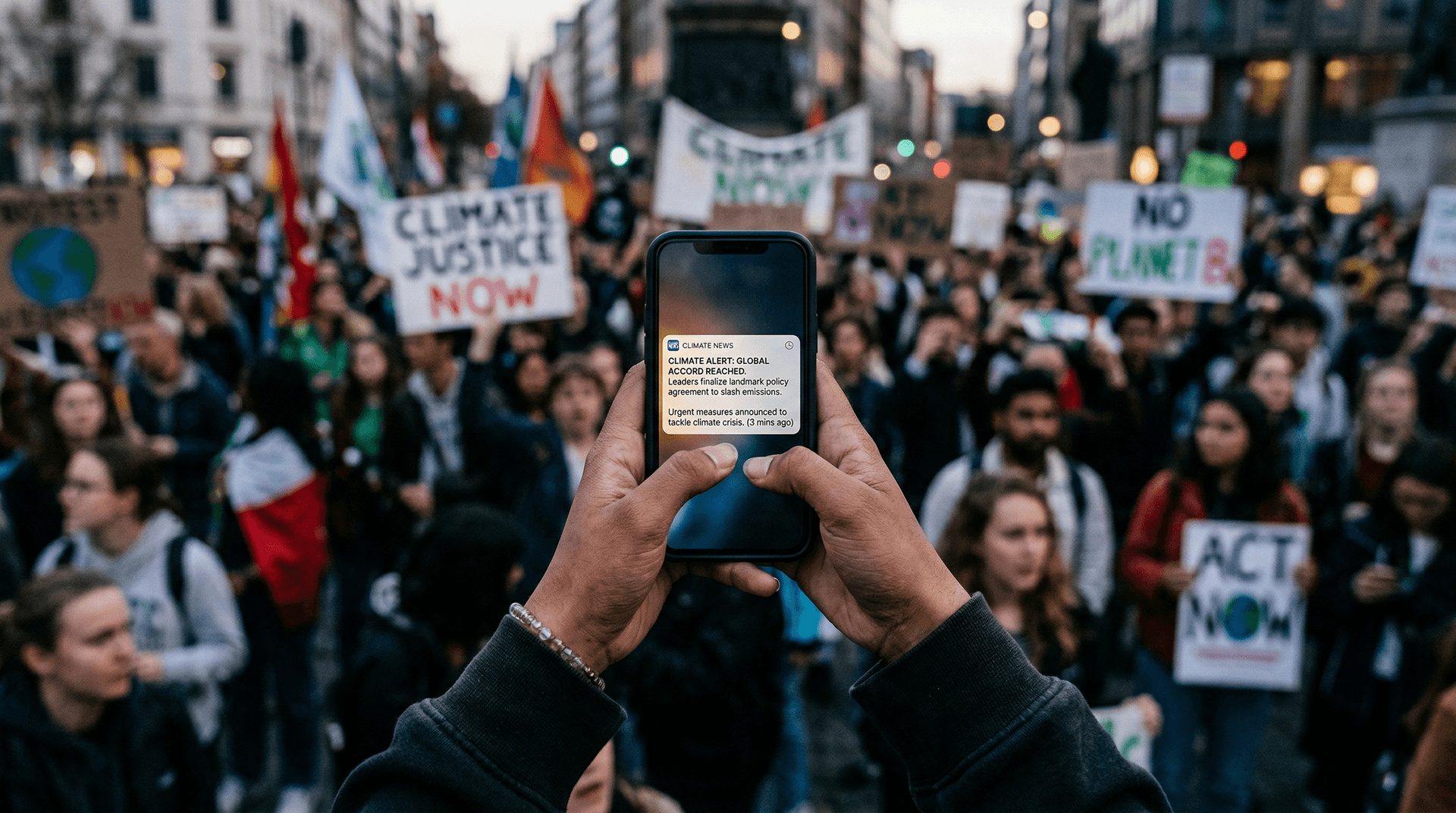
The friction between generations is most visible in issues that require a deep understanding of the future. Older leaders, many of whom came of age before the internet, are now tasked with regulating Artificial Intelligence and managing a digital economy they did not build. There is a growing sentiment among younger voters that the 'Old Guard' lacks the personal stake necessary to make difficult choices regarding climate change and housing affordability. As one youth delegate at COP28 noted, the world is being governed by people who will not see the 2050 climate milestones.
“The next generation is not just asking for a seat at the table; they are asking for a table that reflects the reality of the 21st century.”
However, the tide is beginning to turn in specific pockets of the globe. Leaders like Gabriel Boric in Chile and Gabriel Attal in France represent a pivot toward millennial governance. These leaders often prioritize tech regulation, sustainable growth, and social equity in ways their predecessors did not. They represent a 'future-proofed' style of leadership that views policy through the lens of a forty-year horizon rather than a four-year term.
While critics argue that in times of extreme volatility, the 'calm hands' and experience of seasoned veterans are preferable to the impulsivity of youth, the demand for change is undeniable. The next generation is not just asking for a seat at the table; they are asking for a table that reflects the reality of the 21st century. The challenge for the coming decade will be whether the current gerontocracy can pass the torch gracefully or if the transition will be defined by further global friction.
The Silver Ceiling
The Brief
Stay curious
AI and technology: what changes and why it matters.
Your daily selection, in English or Spanish.
Free forever. Unsubscribe anytime.
More stories


Conversation
Start the conversation