
 The Specialty News
Oura Files for $16B Nasdaq Listing, Igniting a Bruising Smart Ring War
While Oura wields a 42-billion-hour data moat to woo Wall Street, rivals are weaponizing lawsuits and zero-subscription pricing.
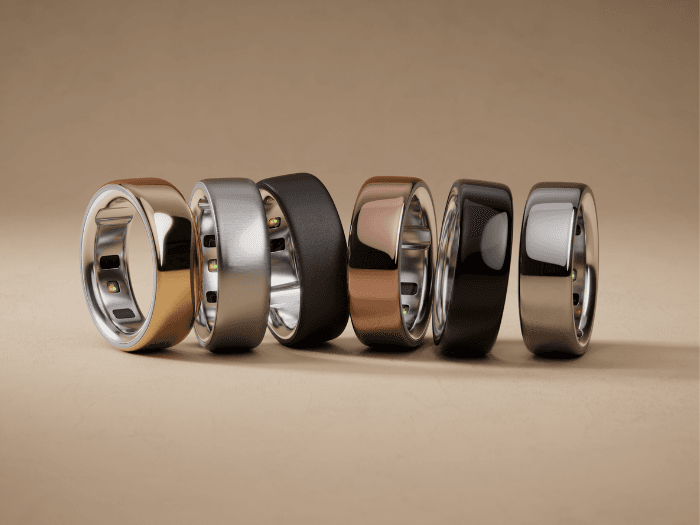
To prove it had a manufacturing presence in Texas, a rival of smart ring pioneer Oura photoshopped its own corporate logos onto images of someone else's factory. The bizarre deception, called out in a federal ruling by the US International Trade Commission, ended in a ban on Ultrahuman importing its rings to America. It was a messy, high-stakes victory for Oura, which has just unsealed its S-1 filing to go public on the Nasdaq. But behind the legal brawls lies a larger question: Can a startup defend a physical category when tech giants decide they want it?
The Bruising Battle Over Finger-Sized Real Estate
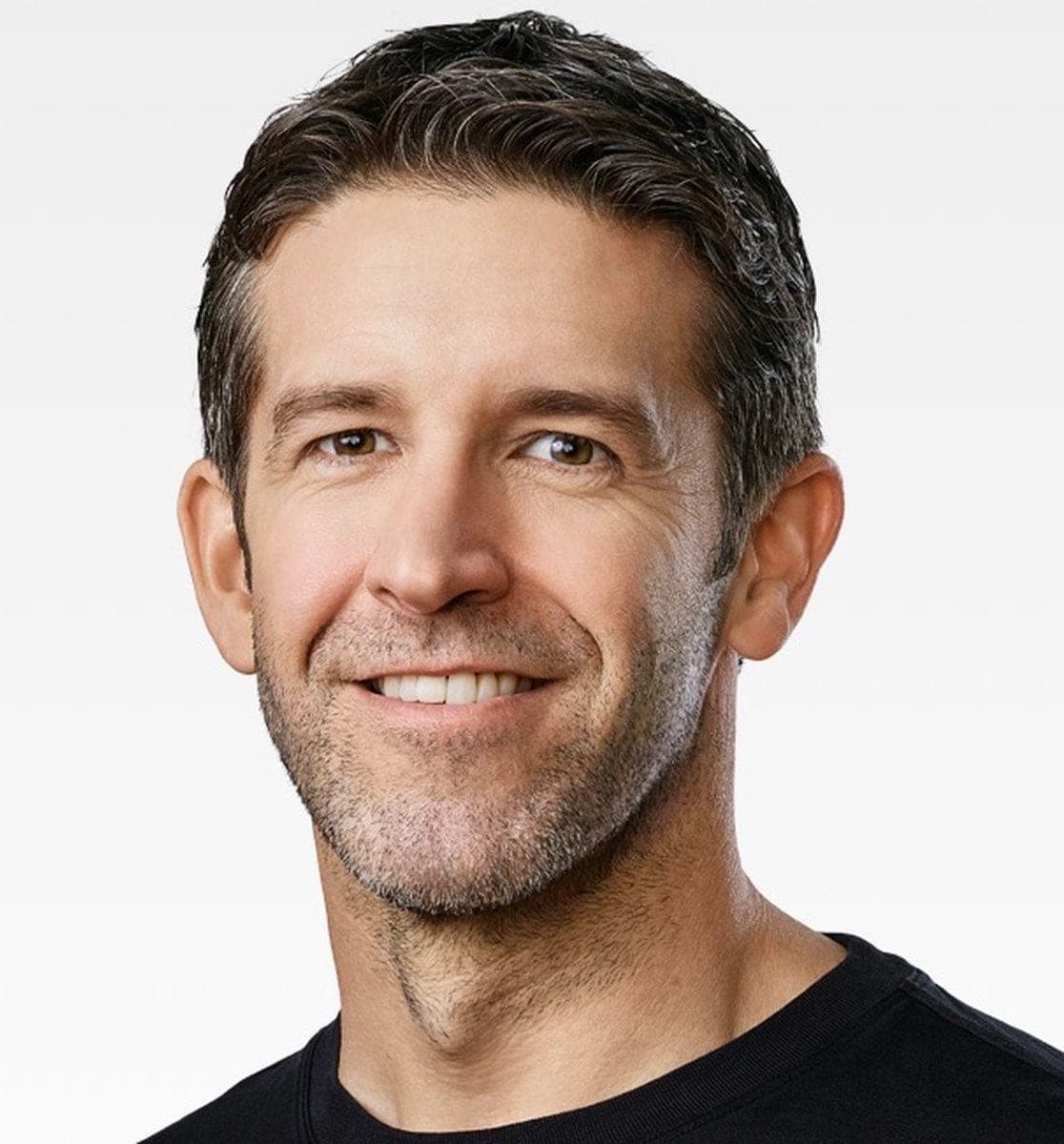
For years, the smart ring market was treated as a quirky consumer electronics niche for biohackers and early adopters. That illusion shattered when Oura filed its S-1, revealing a business that has graduated into a highly regulated, high-margin healthcare platform. Under CEO Tom Hale, who took the helm in 2022, the Finnish startup has transformed its $399 titanium band into an onboarding ramp for a highly lucrative subscription model.
The strategy has yielded staggering financials: Oura generated $1.21 billion in revenue over just nine months, representing a 74% year-over-year surge. Hale drove this growth by leaning heavily into women's health—women now make up 72% of Oura's 5 million paid members—and successfully lobbying to make Oura the first wearable eligible for pre-tax HSA and FSA funds. Oura is no longer pitching itself as jewelry, but as an indispensable personal health system of record.
Yet, as the margins grew, so did the target on Oura's back. In late 2023, Oura launched a barrage of lawsuits alleging patent infringement and trade secret theft against rivals like Bengaluru-based Ultrahuman. The legal sparring culminated in the ITC's recent import ban on Ultrahuman, but the war is far from over. Defiant, Ultrahuman CEO Mohit Kumar retaliated by filing a patent suit in the Delhi High Court, hoping to lock Oura out of India's massive market.
“Ultrahuman’s lawsuit in India has no merit and is a blatant attempt to distract from their decisive U.S. defeat.”— Oura Spokesperson
But how deep is Oura's actual defensive moat once competitors move past the courtroom?
The 42-Billion-Hour Biometric Moat
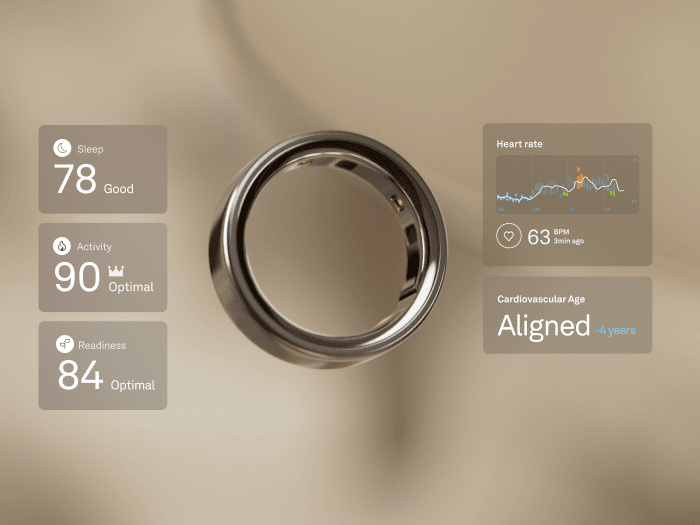
To justify its targeted $16 billion valuation—a figure that dwarfs the $3 billion IPO target of fitness app Strava—Oura is pointing to an asset that cannot be manufactured in a factory. The company has amassed an unparalleled mountain of longitudinal physiological data from its users' fingers.
To put that number in perspective, 42 billion hours is equivalent to tracking a single person's heartbeat, temperature, and sleep continuously since before Homo sapiens first walked the Earth. This massive dataset is the engine behind Oura's predictive algorithms, enabling it to transition from basic sleep tracking to predicting illness and cycle trends. More importantly, it has locked in 5 million paid subscribers who are highly reluctant to abandon their historical health trends, yielding an 85% user retention rate.
This software-first focus has allowed Oura to generate $240.5 million in high-margin subscription revenue at a jaw-dropping 89% gross margin. Yet, this highly profitable setup has also attracted the attention of a competitor with pockets deep enough to ignore subscription revenue entirely.
The Subscription-Free Threat at the Gate
While Oura easily dispatched smaller startups like Circular and Ultrahuman using patent law, it now faces a rival that cannot be easily sued or ignored: Samsung. The South Korean tech giant recently launched its Galaxy Ring, integrating it directly into its massive Android device family. Crucially, Samsung is offering its ring with a completely zero-subscription model, directly targeting Oura’s $5.99 monthly subscription fee—the very recurring revenue stream that Wall Street is valuing so highly.
At the same time, Oura's IPO filing reveals some underlying friction. The company is currently facing a proposed class-action lawsuit alleging misleading sleep-tracking accuracy, alongside rising user complaints regarding battery degradation on its Ring 4 model. Furthermore, while the top-line revenue of $1.21 billion looks pristine, the S-1 reveals a paper loss of $924.3 million attributable to stockholders—a technical deemed dividend tied to its pre-IPO preferred stock structure that could still spook retail investors on day one of trading.
As Oura heads to the Nasdaq under the ticker OURA, its transition from hardware to health intelligence is almost complete. The upcoming public market debut will prove whether Wall Street views Oura as an indispensable AI health companion or just another hardware fad destined to follow the path of Fitbit. The battle for our biometrics is no longer about who can make the prettiest ring, but who can convince us that their algorithm knows our bodies better than we do.
What people are saying

“ŌURA, the health-tech company behind the Oura Ring, publicly filed an S-1 with the SEC for a proposed IPO of its common stock. The San Francisco-based company plans to list on the Nasdaq Global Select Market under “OURA.” Goldman Sachs, Morgan Stanley, J.P. Morgan, Allen &”

“Anthropic just filed confidentially for an IPO that could value it at up to $2 trillion - up from $965B in May. Revenue run rate hit $65B in July, up from $9B in December. Backed by Amazon (21%) and Alphabet (15%). One of the biggest tech IPOs ever.”

“#US Stock Market — #Stocks to Watch on September 4, 2026 🔹 Tesla $TSLA surged 5.4% to $376.37 as investor anticipation builds ahead of its upcoming Cybercab robotaxi unveiling event. 🔹 Nvidia $NVDA gained 1.8% after confirming the $12.9 billion acquisition of open-source AI”
Oura's $16B IPO Moat Under Siege
The Brief
Stay curious
AI and technology: what changes and why it matters.
Your daily selection, in English or Spanish.
Free forever. Unsubscribe anytime.
More stories



Conversation
Start the conversation