
 The Specialty News
Nvidia wants to move your AI to orbit for some reason
Because Earth apparently wasn't warm enough, Nvidia is now hiring architects to build data centers in the sky.
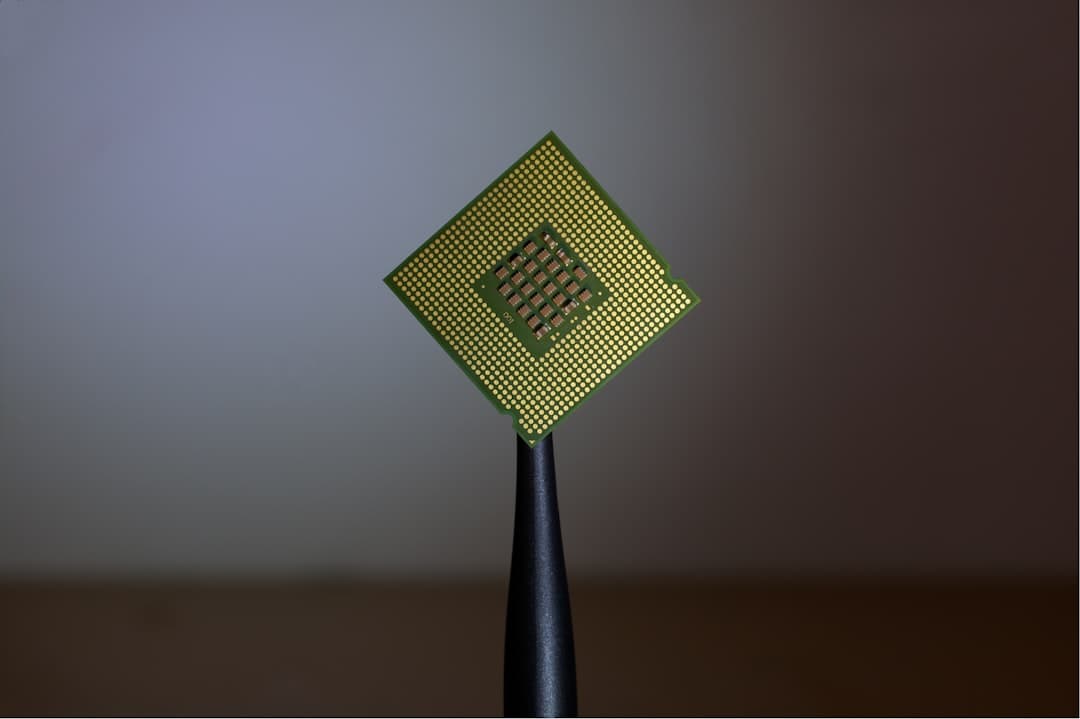
If you thought the AI hype cycle had finally reached its terrestrial ceiling, prepare to look up. Nvidia is officially hunting for an 'Orbital Datacenter System Architect' to figure out how to strap high-end silicon to a satellite and blast it into low Earth orbit. It is a bold, expensive, and frankly absurd attempt to solve the energy crisis by moving the problem to a vacuum.
The logic of peak insanity
Nvidia’s pivot to space is driven by a simple, desperate math problem: Earth-bound data centers are running out of juice. A single 1-gigawatt AI data center eats up to 10 terawatt-hours of energy annually—roughly the power consumption of a small country. Tech giants are hitting a wall of local regulations, grid limits, and an increasing public refusal to let their local lakes be boiled to keep a chatbot’s temperature steady.
So, the pitch for space is 'limitless' solar energy and natural cooling. The vacuum of space, proponents argue, is a perfect heat sink, and being outside the atmosphere means 24/7 access to unblocked sun. It sounds like a sci-fi utopia until you consider that current GPU architectures like the H100 weren't exactly built to survive the radiation baths and thermal cycling of orbit. We are talking about re-engineering the most complex silicon on the planet to survive in a hostile environment, all to satisfy the insatiable hunger of a LLM that really just wants to generate better cat memes.
Follow the rocket fuel, not the sustainability
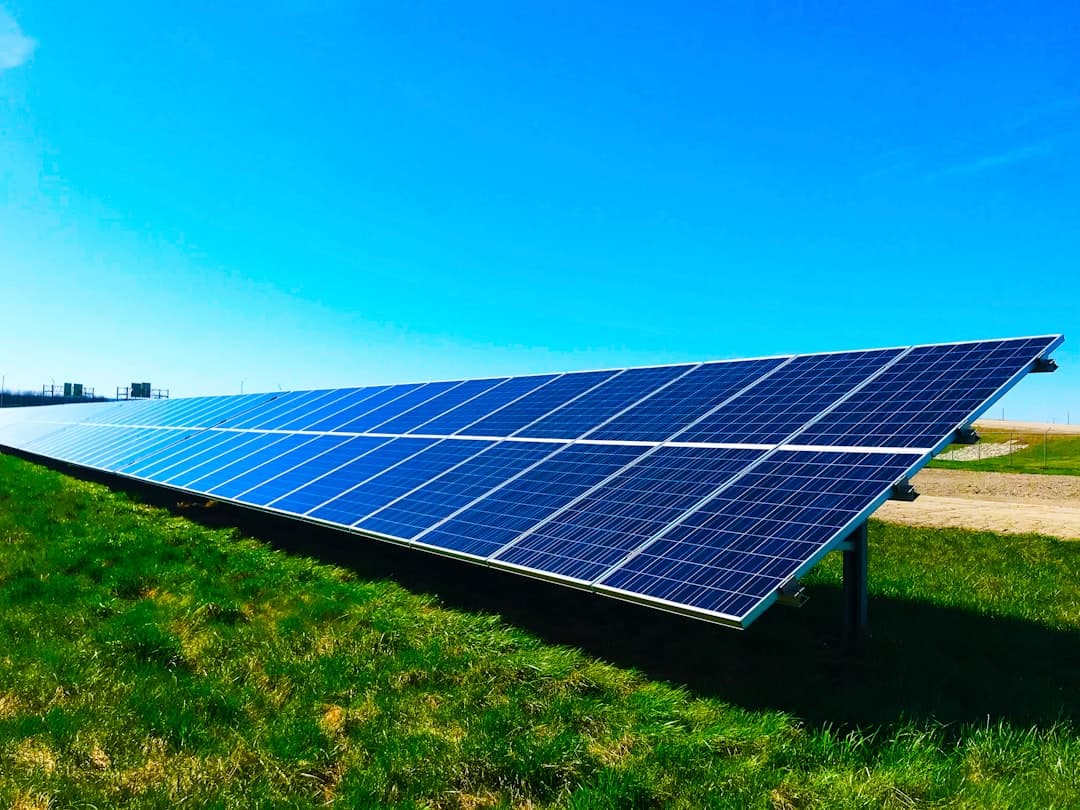
The 'sustainability' narrative behind orbital computing is the most cynical part of the entire operation. Proponents talk about saving Earth's water and power, but they conveniently ignore the carbon-intensive reality of launching thousands of tons of heavy-lift satellites into orbit. We are essentially trading energy efficiency for orbital debris and a massive chemical rocket-fuel tax, moving the environmental damage out of sight—and thus, conveniently, out of mind.
“when tech companies tell you they are building a new frontier to save the environment, check their launch schedule.”
Ultimately, this isn't about saving the planet; it’s about power consolidation. Space infrastructure requires the kind of capital that only a few hyper-scale players can muster, creating a future where AI compute is held in high-altitude monopolies. The lesson here is simple: when tech companies tell you they are building a new frontier to save the environment, check their launch schedule. It is rarely about the planet; it is about the fact that they have already burned through everything down here.
AI's Escape to Orbit
The Brief
Stay curious
AI and technology: what changes and why it matters.
Your daily selection, in English or Spanish.
Free forever. Unsubscribe anytime.
More stories




Conversation
Start the conversation