
 The Specialty News
Elon Musk's Gigawatt Fantasy Won't Save Your Utility Bill
xAI is playing a creative game of energy accounting while locals foot the long-term bill.
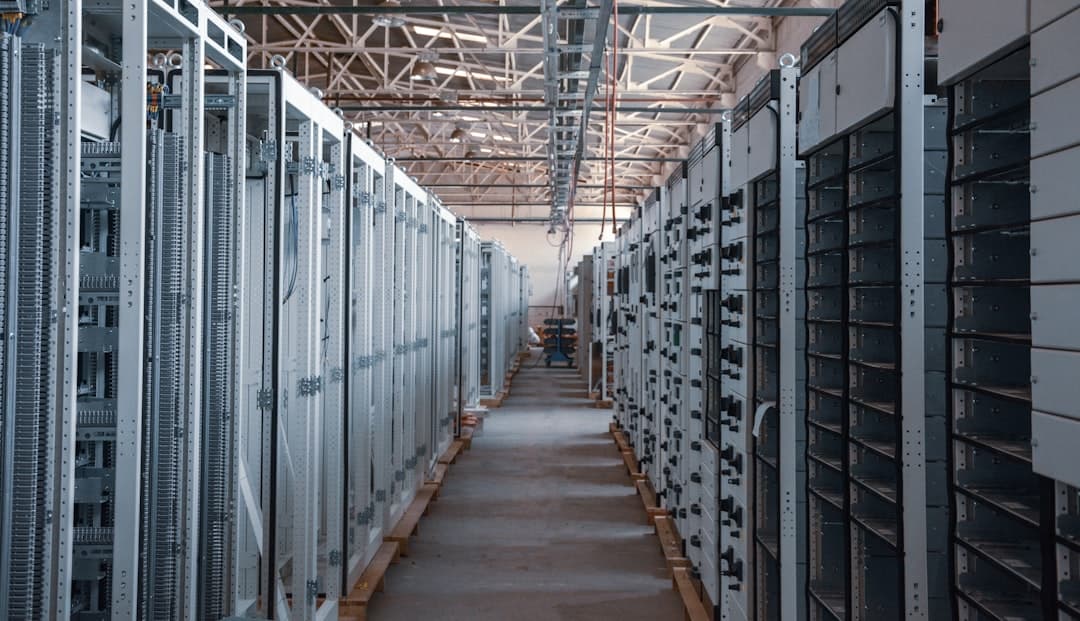
Elon Musk’s xAI recently announced plans to commit 1.2 gigawatts of power to its supercomputing clusters, with cheerleaders claiming this somehow protects regular Americans from higher utility bills. It is a heartwarming story, assuming you believe that the largest industrial power draws in state history can be plugged into the grid without anyone else feeling a ripple. It is a masterclass in corporate PR, but it falls apart the moment you look at a utility bill’s fine print.
The Math of Massive Consumption
To understand the scale here, consider that a single 2-gigawatt data center footprint consumes as much electricity as a million homes. When xAI drops that kind of load into the Memphis and Southaven area, it doesn't just magically appear out of thin air. It requires massive transmission upgrades and new generation capacity that the local grid wasn't necessarily built to handle on a whim. The company’s initial workaround—deploying a small fleet of mobile natural gas turbines—was essentially a desperate scramble to bypass the fact that the actual grid capacity was tapped out.
Proponents love to argue that big data centers bring scale, spreading out fixed costs. In theory, if you add enough big customers, the per-unit cost drops. In reality, the 'hyperscale' energy demand of AI training creates a concentrated, volatile load that necessitates expensive, dedicated infrastructure. When utility commissions approve these massive upgrades, the costs are almost inevitably baked into the rate base. Musk’s claim that this won't raise your bill is a bit like a neighbor building an Olympic-sized swimming pool in their backyard and promising that the city’s water pressure won't drop—right before they turn on every tap in the house at once.
The Real Winners and Losers
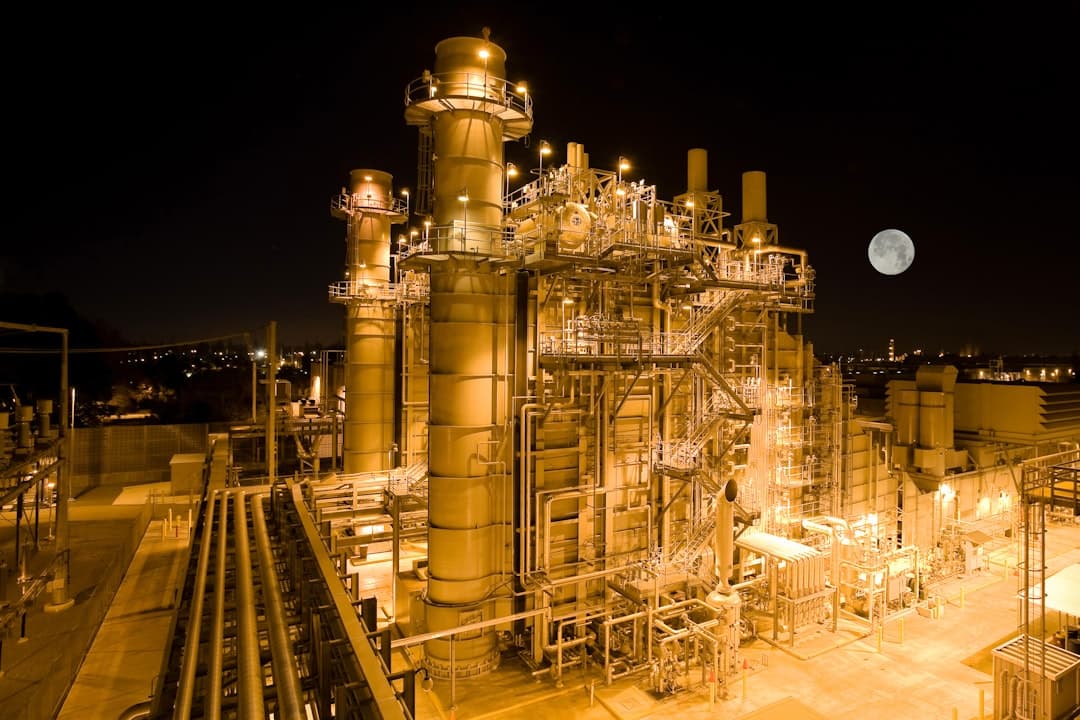
So, who actually benefits? xAI gets the accelerated AI training capacity necessary to keep Musk’s ventures competitive in the arms race. Local politicians get to cut ribbons for record-breaking 'private investments' that look great on campaign mailers. The utilities get a massive, guaranteed revenue stream that makes their long-term planning look stable. It is a tidy ecosystem of incentives that benefits everyone—except, perhaps, the people living in the vicinity of these industrial hubs.
“the grid is being redesigned for the machines, not the people.”
Those local residents are the ones dealing with the localized air quality issues from rapid-fire turbine deployment and the potential for rate increases when the grid finally groans under the strain. The lesson here is simple: whenever a billionaire tells you that their massive consumption of public resources is actually a favor to you, check to see who is holding the bill. Power isn't just about electricity; it’s about whose interests the grid is being reshaped to serve, and right now, the grid is being redesigned for the machines, not the people.
Who Pays for the Gigawatts
The Brief
Stay curious
AI and technology: what changes and why it matters.
Your daily selection, in English or Spanish.
Free forever. Unsubscribe anytime.
More stories

Conversation
Start the conversation