
 The Specialty News
OpenAI Brings Agentic Coding to Windows Ecosystem
The new native Codex application shifts development from simple chat to long-running automated workflows.
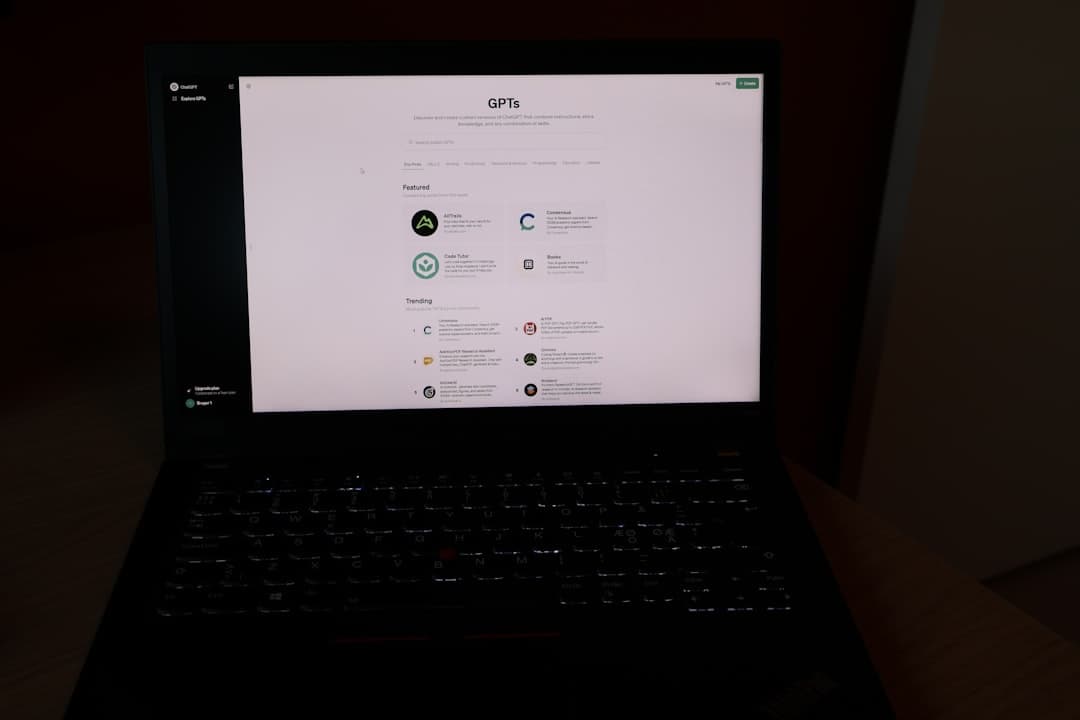
The landscape of software development is undergoing a quiet, yet profound, transformation as artificial intelligence evolves from a helpful chatbot into a persistent collaborator. OpenAI’s decision to bring its standalone Codex application to Windows signals a clear move toward this agentic future. By integrating directly with local environments, the platform aims to handle the complex, multi-day tasks that traditional coding assistants often struggle to manage.
Redefining the Developer Workbench
The Windows release of the Codex app introduces a dedicated command center for developers, building upon the initial macOS launch from early February. Unlike browser-based interfaces, this native application features an agent sandbox designed to execute tasks directly on the user’s machine. It supports PowerShell environments, allowing developers to orchestrate multiple AI agents across various project threads simultaneously.
Central to this experience is the ability to manage long-term background automations and utilize Git worktrees to prevent the common headache of merge conflicts. With over 1,000,000 developers already engaging with the GPT-5.2-Codex model, this transition to a desktop-first workflow reflects a broader trend toward treating AI as a continuous participant in the software development lifecycle.
The Balance of Power and Risk

As coding agents gain autonomy, the industry is increasingly focused on the security implications of such powerful tools. The inclusion of a native sandbox in the Windows application highlights OpenAI’s response to concerns regarding data integrity and system control. While experts like Tulika Sheel of Kadence International see the app as a logical evolution that streamlines professional workflows, others warn that enterprise risks remain a major hurdle.
“the success of the Codex app will likely hinge on its ability to prove that agentic autonomy can be as secure as it is efficient.”
Neil Shah of Counterpoint Research has noted that while these agent-driven shells offer significant velocity, they also necessitate stricter governance to manage potential vulnerabilities. As OpenAI competes with rivals like Anthropic and GitHub in the race to define the next generation of enterprise development tools, the success of the Codex app will likely hinge on its ability to prove that agentic autonomy can be as secure as it is efficient.
Codex Moves Into Windows
The Brief
Stay curious
AI and technology: what changes and why it matters.
Your daily selection, in English or Spanish.
Free forever. Unsubscribe anytime.
More stories





Conversation
Start the conversation