
 The Specialty News
Global Energy Markets Face Unprecedented Strain After Direct Infrastructure Strikes
As conflicts escalate into the energy sector, the closure of vital maritime routes risks a profound shift in global economic stability.
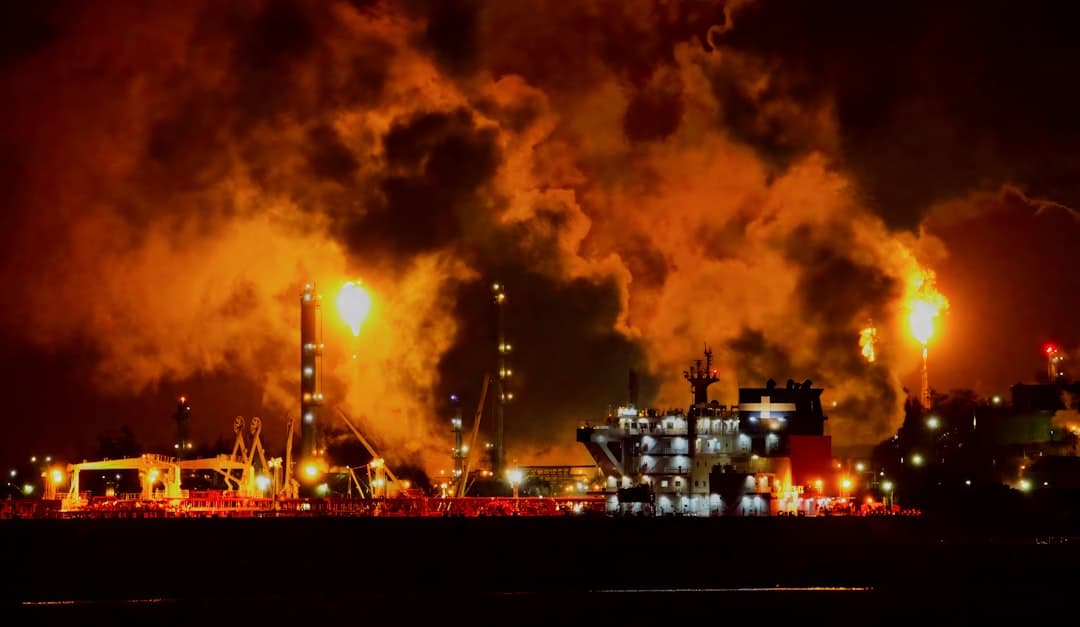
The conflict between Iran and the U.S.-Israeli coalition has shattered a long-standing red line, shifting from regional military posturing to the direct targeting of vital energy infrastructure. With a massive fire recently engulfing an Iranian oil depot and immediate retaliatory strikes on Israeli refineries, the global energy map is being redrawn in real-time. This is no longer just a diplomatic standoff; it is a full-blown economic shock event that has sent global markets into a tailspin.
The Price of Escalation
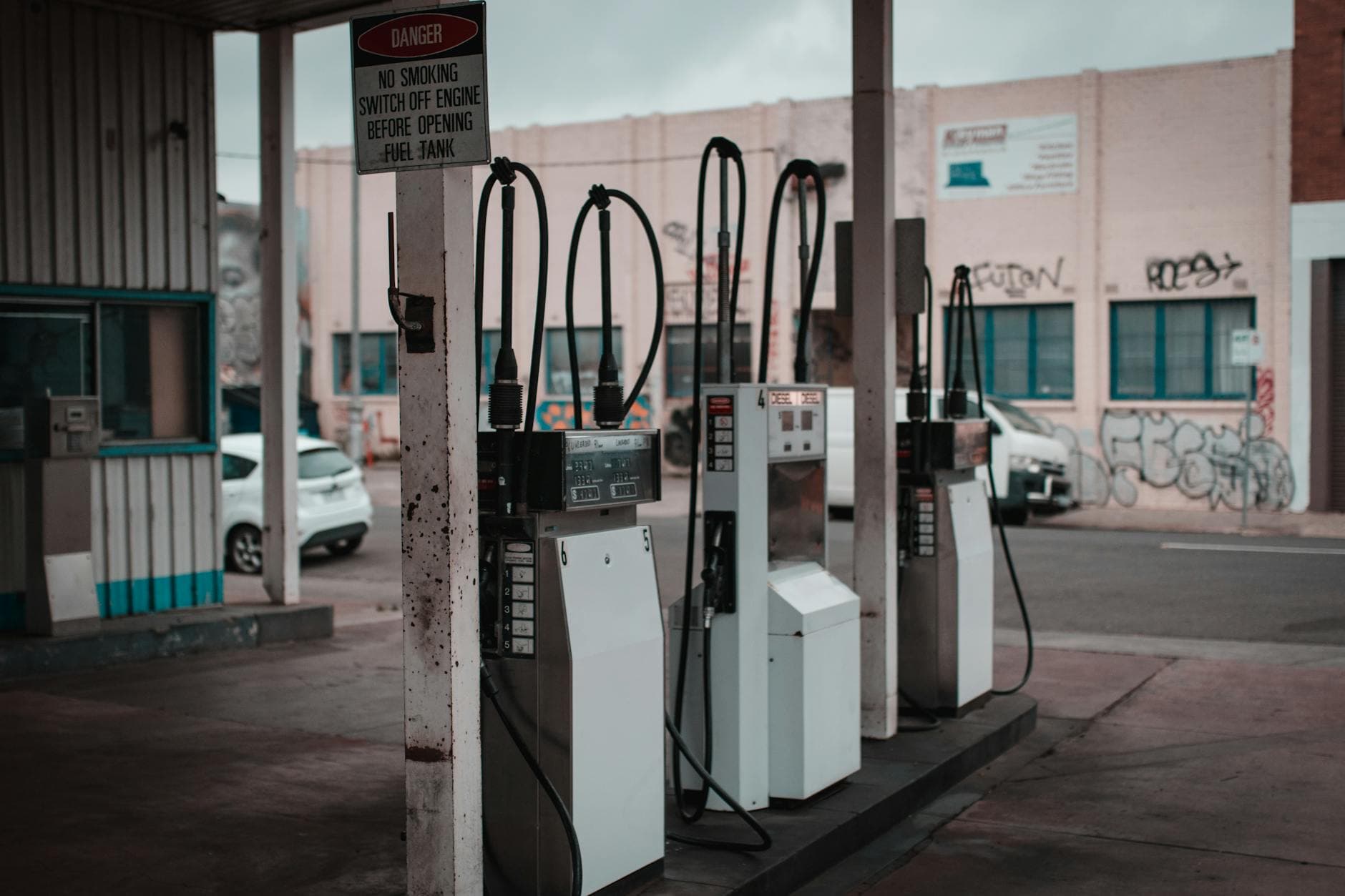
The immediate impact of the latest strikes has been both swift and painful for global consumers. Crude oil prices have spiked to approximately $93 per barrel, a sharp increase from the $70 range observed just one week ago. In the United States, the ripple effect is already visible at the pump, where gasoline prices have climbed 14% in a single week to a national average of $3.41 per gallon, echoing the volatility last seen during the onset of the Russia-Ukraine conflict.
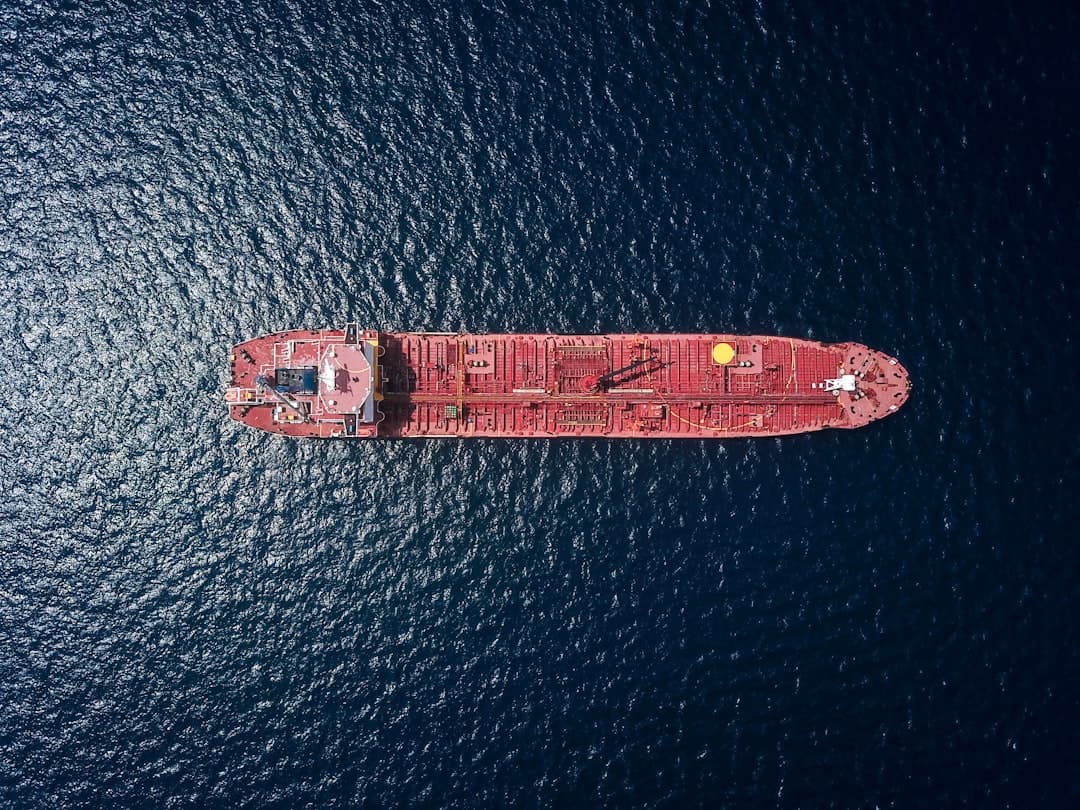
Perhaps more concerning than the current price fluctuation is the effective closure of the Strait of Hormuz. Serving as a crucial maritime artery for roughly 20% of the world's oil supply, the strait has seen tanker traffic collapse by as much as 99%. The IRGC's response—targeting the Haifa refinery in Israel with Khyber-Shakan missiles—demonstrates that both sides are willing to accept significant economic damage to degrade the other’s capacity, effectively weaponizing the global energy supply chain.
Navigating a New Era of Energy Insecurity
We are witnessing a fundamental paradigm shift that challenges the stability of the global energy architecture. By targeting national infrastructure like the Tehran depot and the Haifa refinery, the actors involved have effectively removed the ‘energy sanctuary’ status that previously kept critical supply lines insulated from direct military fire. For businesses and nations alike, the takeaway is clear: the era of assuming reliable, uninterrupted flow of oil through major chokepoints is being replaced by a period of extreme, long-term uncertainty.
“resilience will no longer be measured by efficiency, but by the ability to survive in a landscape where the flow of energy can be severed at any moment.”
The strategic motivations remain clear—the U.S. and Israel aim to neutralize Iran’s power-projection capabilities funded by energy revenue, while Tehran seeks to force a global reaction by inflating the costs of the conflict. However, the result for the rest of the world is a fragile, bottlenecked supply chain that lacks the immediate capacity to absorb these shocks. Moving forward, resilience will no longer be measured by efficiency, but by the ability to survive in a landscape where the flow of energy can be severed at any moment.
The Energy Sanctuary Falls
The Brief
Stay curious
AI and technology: what changes and why it matters.
Your daily selection, in English or Spanish.
Free forever. Unsubscribe anytime.
More stories



Conversation
Start the conversation