
 The Specialty News
Persistent Context: Anthropic Brings Memory to Claude Free Users
New data portability features allow users to maintain long-term context and manage their AI profile.

For months, the primary frustration with large language models was their 'goldfish memory'—each new chat session started with a blank slate. Anthropic has moved to solve this for the masses by bringing its Memory feature to the free tier. This change allows Claude to remember user preferences, style guides, and project details indefinitely across different sessions, transforming the AI from a one-off tool into a long-term collaborator.
Breaking the Blank Slate Cycle
The 'Memory' feature allows Claude to store specific information across multiple conversations, creating a persistent understanding of the user. Instead of repeatedly explaining that you prefer Python over JavaScript or that your company uses specific branding guidelines, you can tell Claude once, and it remains in the model's active context. This shift moves AI from a transactional tool to a personalized assistant that evolves alongside the user's projects. For the free tier, this is a significant value add that levels the playing field for casual creators and students who previously had to manage complex prompt engineering or keep a separate document of instructions to paste into every new window. Now, the model maintains a continuous understanding of a user's background, reducing the friction of starting new tasks and ensuring that every session starts with the momentum of the last. Beyond simple preferences, Memory can store complex workflows. For example, a freelance editor can save specific client style sheets, while a developer might store documentation for a niche library they use across various projects. This cumulative intelligence ensures that the AI's utility grows the more it is used. Anthropic’s approach focuses on intentionality and user agency; users can explicitly tell Claude what to remember or allow it to learn from context, but they also retain the power to view, edit, and delete specific memories at any time. This balance between utility and privacy is central to their product philosophy, ensuring users are never surprised by what the AI has stored or how that information is being applied to future responses.
Portability and the Future of AI Data
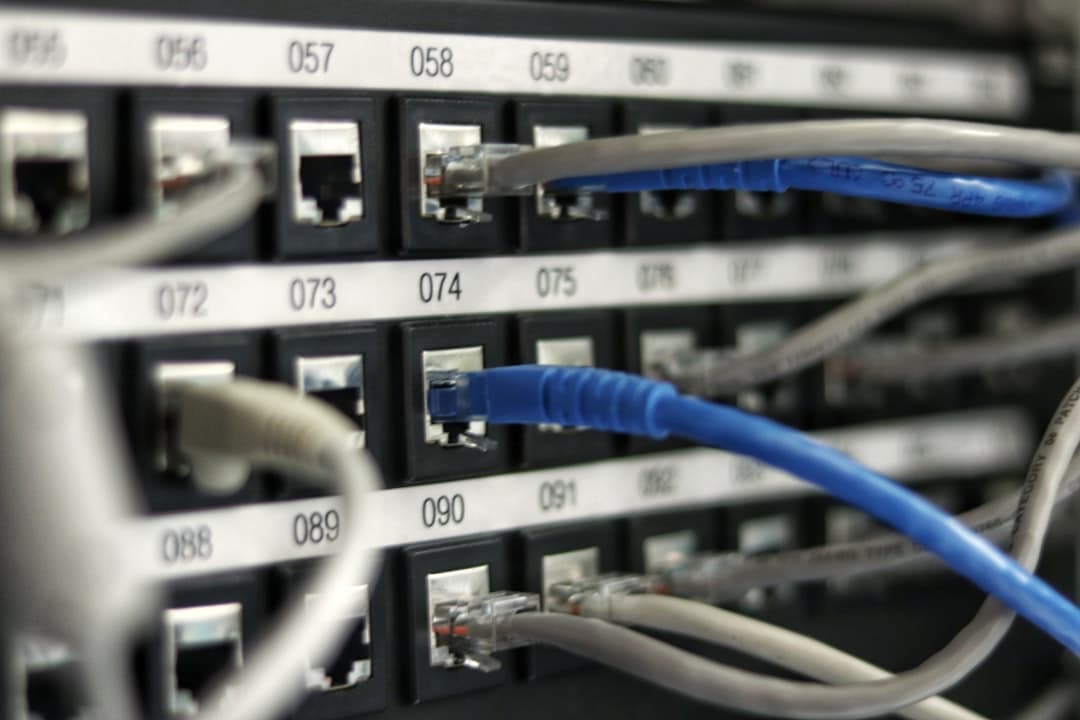
Anthropic isn't just opening the gates to memory; they are providing the keys to the data itself. The new update includes streamlined tools to import existing memories and, crucially, export them at any time. This addresses growing concerns about vendor lock-in, allowing users to maintain sovereignty over the digital persona they build through interactions. By making memories portable, Anthropic is setting a precedent for interoperable AI in a competitive market where users often feel trapped by the data they have already invested in a specific platform. If a user decides to switch platforms or simply wants a local backup of their learned preferences, the data is not trapped within a proprietary silo. This transparency is a strategic move to build trust in an industry often criticized for opaque data practices and hoarding. The export functionality is particularly noteworthy for institutional and professional users who require transparency. It allows for auditing of the information the AI is utilizing, providing a layer of oversight that is often missing in consumer AI products. Furthermore, the import functionality suggests a future where users can bring their digital identity from one environment to another seamlessly. Whether it is a professional style guide, a specific coding standard, or a personal project history, the ability to seed a model with pre-existing knowledge changes how we onboard new AI tools. It turns a tedious configuration task into a simple file upload, making the transition between different AI ecosystems smoother for the end user and emphasizing that the user, not the provider, owns the experience.
“the user, not the provider, owns the experience.”
An AI That Remembers You
The Brief
Stay curious
AI and technology: what changes and why it matters.
Your daily selection, in English or Spanish.
Free forever. Unsubscribe anytime.
More stories



Conversation
Start the conversation