
 The Specialty News
The Walkie-Talkie Era: Claude Code Brings Voice to the Terminal
Anthropic bridges the gap between thought and execution with push-to-talk coding
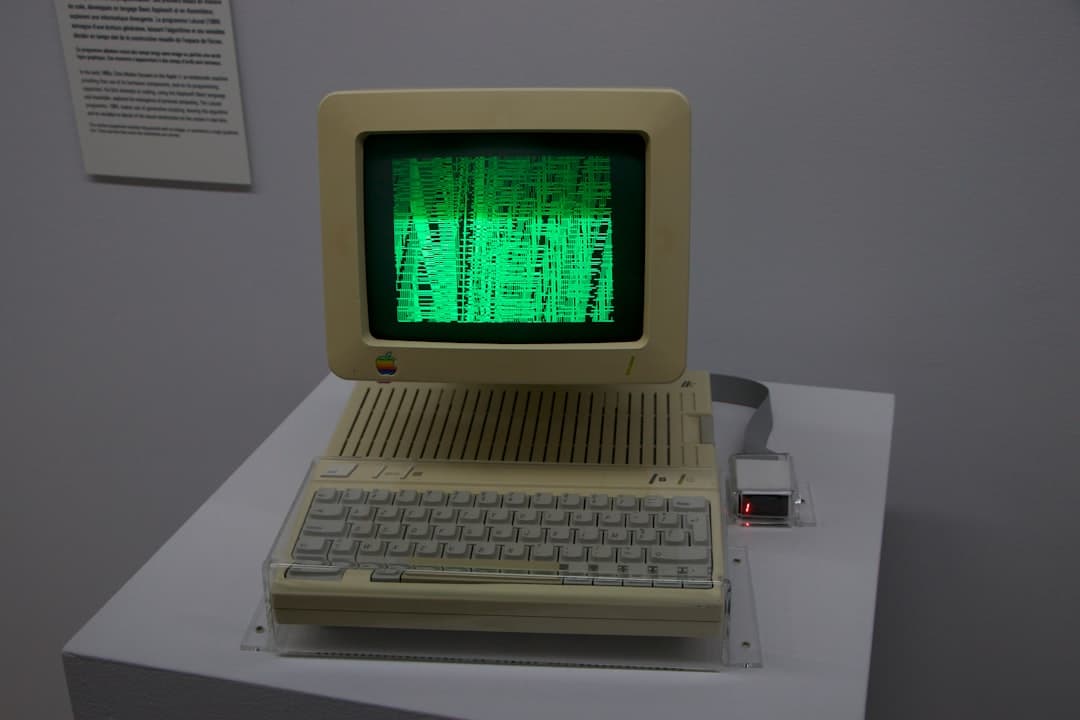
The rhythmic clacking of mechanical keyboards has long been the soundtrack of software engineering, but a new sound is entering the developer's workspace: the human voice. On March 3, 2026, Anthropic engineer Thariq Shihipar announced that Voice Mode is officially rolling out to Claude Code, the company’s agentic command-line interface. This transition from text-only interaction to a hybrid vocal model signals a profound shift in the input revolution that is currently reshaping how software is built.
Bridging the Command-Line Gap
Anthropic’s approach to terminal-based voice interaction is both pragmatic and technically sophisticated. The feature is currently live for a select 5% of the user base, with a wider ramp-up scheduled for the coming weeks. For those with access, the activation is simple: a user types /voice into the Claude Code terminal to toggle the capability. Unlike common consumer voice assistants that are always listening, Claude Code employs a walkie-talkie model. Users must long-press the space bar to dictate their commands and release it once they are finished. This push-to-talk mechanic is a strategic choice, preventing the AI from accidentally processing background office noise or side conversations. It keeps the developer firmly in the driver’s seat, ensuring that the agent only acts when explicitly summoned. Furthermore, the transcription process is remarkably seamless, with words streaming directly into the cursor position in real-time. Perhaps most importantly for the developer community, Anthropic has made transcription tokens for this mode completely free. By removing the cost barrier and keeping these tokens separate from standard usage limits, the company is encouraging a new era of vibe coding where experimentation is frictionless.
The Input Revolution and Accessibility
The introduction of voice to the terminal represents the last piece of the puzzle for AI-driven development agents. Industry analysts, including those from 36kr Research, argue that the next battlefield in programming is not about the model's raw intelligence, but rather how we interact with it. By shifting the focus from manual syntax entry to the verbal expression of intentions, the developer's role is evolving from a writer to a director. This change is particularly impactful when dealing with complex logical structures. Describing a race condition or an intricate series of nested callbacks is often significantly faster through speech than through the precise, often tedious, act of typing out every character. Beyond efficiency, the accessibility implications are profound. For engineers struggling with repetitive strain injuries (RSI) or other physical limitations, a high-fidelity voice interface is a career-changing tool. This official update also streamlines a process that was previously fragmented; until now, power users had to rely on community-made plugins and third-party services like Whisper to achieve similar results. By internalizing these features, Anthropic has created a cohesive, low-latency environment that feels like a natural extension of the programmer’s mind. As Claude Code moves from a quiet CLI to a vocal partner, the way we define coding itself is undergoing its most radical transformation in decades.
“the developer's role is evolving from a writer to a director.”
Push-to-Talk Programming
The Brief
Stay curious
AI and technology: what changes and why it matters.
Your daily selection, in English or Spanish.
Free forever. Unsubscribe anytime.
More stories



Conversation
Start the conversation