
 The Specialty News
Intelligence at the Edge: Qwen 3.5 Brings Desktop-Class AI to iPhone 17 Pro
How Alibaba’s latest model and Apple’s A19 Pro chip are redefining mobile computing.
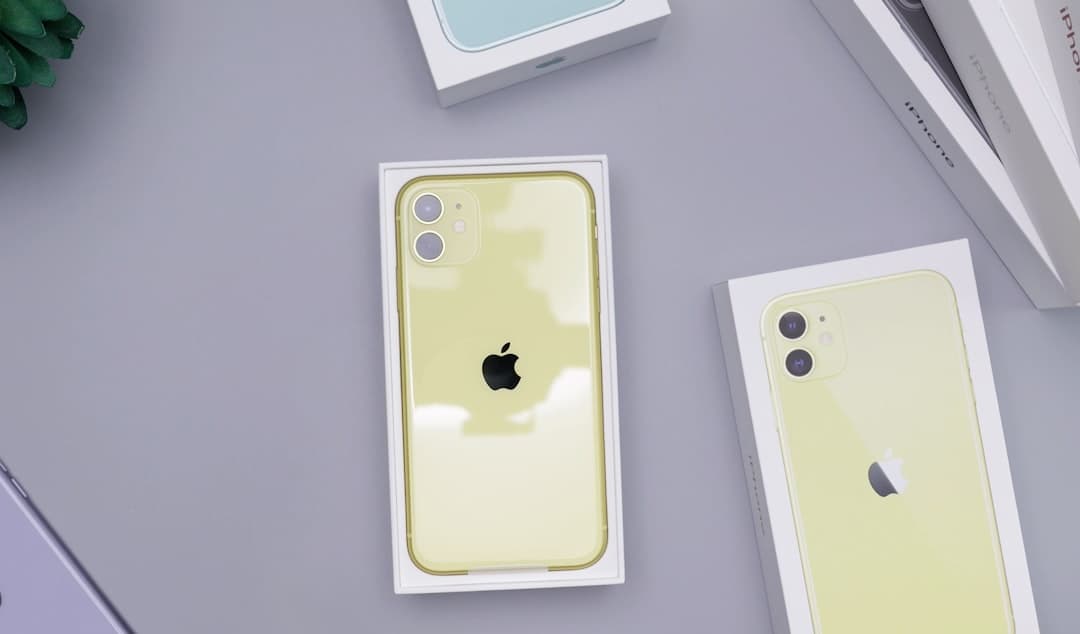
For years, the dream of pocket-sized AI was hampered by a simple reality: mobile chips lacked the raw power to handle complex reasoning without draining the battery in minutes. That barrier just crumbled. On March 2, 2026, developer Adrien Grondin showcased Alibaba’s Qwen 3.5 model running natively on the iPhone 17 Pro, delivering performance that rivals models four times its size.
The Architecture of Efficiency
At the heart of this demonstration is the Qwen 3.5 2B model, a lightweight powerhouse that utilizes Alibaba's new Gated DeltaNet hybrid architecture. By combining linear attention with a sparse Mixture-of-Experts (MoE) design, the model achieves what the industry calls high intelligence density. This allows a relatively small 2-billion parameter model to outpace much larger predecessors in logic and math benchmarks. To fit this into the iPhone's 12GB of RAM, the team used 6-bit quantization, which shrinks the model's memory footprint without sacrificing its cognitive accuracy.
“This transition from cloud-dependent tools to edge-native intelligence represents a fundamental shift in how we interact with our devices.”
Optimization is the second half of the story. Grondin utilized MLX, Apple's specialized framework for machine learning on Silicon, which is reported to offer up to a 2x speed increase over more generic frameworks. This deep integration allows the model to tap directly into the A19 Pro's 16-core Neural Engine. The result is a user experience that feels snappy and local, removing the latency and privacy concerns inherent in cloud-based AI solutions. This transition from cloud-dependent tools to edge-native intelligence represents a fundamental shift in how we interact with our devices.
The Toggle for Mobile Reasoning
One of the most innovative features of Qwen 3.5 is its ability to switch between Thinking and Non-Thinking modes. In its default state, the model provides rapid, low-latency responses for daily tasks like drafting emails or setting reminders. However, when faced with a complex coding or logic problem, users can toggle on reasoning. In this mode, the model generates hidden reasoning tokens, essentially performing a digital version of 'thinking through' the problem before delivering a final answer. This flexibility allows users to manage their device's battery life and computational budget according to the task at hand.
Hardware plays a critical role in making these intensive tasks sustainable. The iPhone 17 Pro is the first Apple device to feature a vapor chamber cooling system, which prevents the A19 Pro chip from thermal throttling during long reasoning sessions. Furthermore, Qwen 3.5 is natively multimodal, meaning it doesn't rely on separate vision adapters to understand images or video. A single set of weights handles everything, allowing for a more seamless integration of visual understanding. From analyzing complex spreadsheets via the camera to providing real-time video feedback, the era of the native multimodal agent has officially arrived on mobile.
Desktop Brains, Pocket Body
The Brief
Stay curious
AI and technology: what changes and why it matters.
Your daily selection, in English or Spanish.
Free forever. Unsubscribe anytime.
More stories






Conversation
Start the conversation