
 The Specialty News
Al-Moammar Brothers Mint Billion-Dollar Fortune on Saudi AI Megaproject
MIS shares surged 87% as its data center contract expanded to $2.34 billion, anchoring the Middle East's push for Sovereign AI.
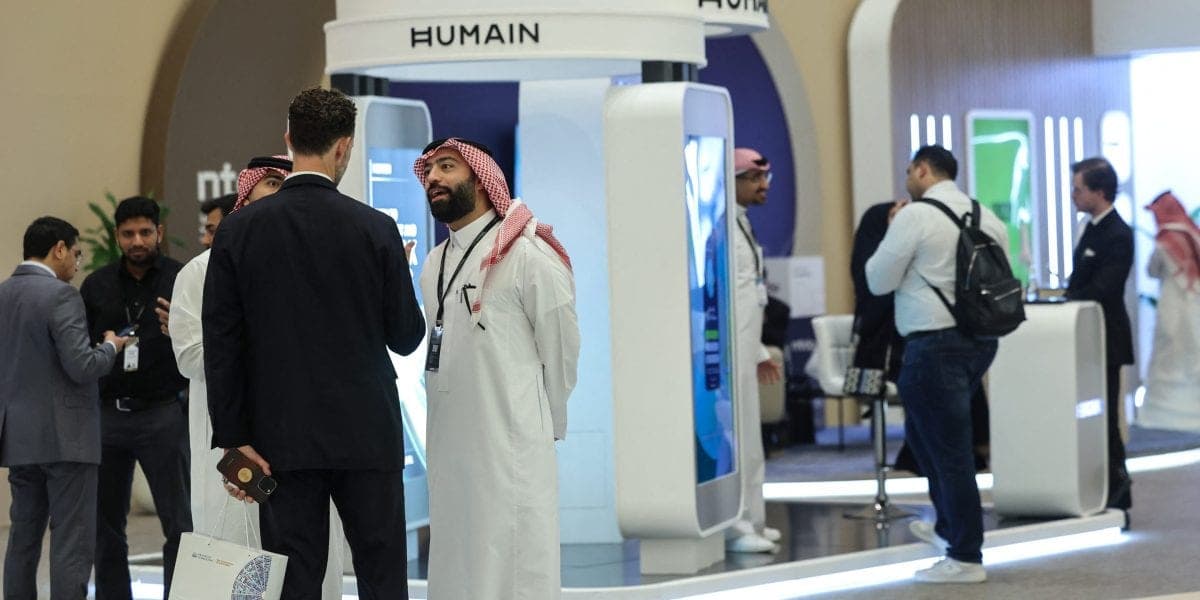
In the 20th century, Gulf billionaires were minted by extracting oil from beneath the sand. Today, they are being minted by building hyperscale architecture above it. Ibrahim and Khalid Al-Moammar just proved the point, riding a massive AI infrastructure deal to a combined billion-dollar fortune.
The $2.34 Billion Blueprint
The ambition started big and rapidly grew massive. Al Moammar Information Systems (MIS) initially secured a contract to build a 50-megawatt data center for HUMAIN, an AI company owned by the Saudi Public Investment Fund. Then, the scope was quintupled to 250 megawatts, instantly transforming the project into a cornerstone of global AI infrastructure.
To put that scale in perspective, a 250-megawatt facility is a staggering leap in computational density capable of housing tens of thousands of advanced GPUs. When the expansion was announced, MIS shares skyrocketed 87% on the Saudi Exchange.
For Ibrahim and Khalid, who hold roughly 49% of the company combined, that rally translated into an immense financial windfall. They have successfully morphed MIS from a 1979-founded legacy IT firm into the primary infrastructure provider for the Gulf's AI gold rush.
The Fortress of Sovereign AI
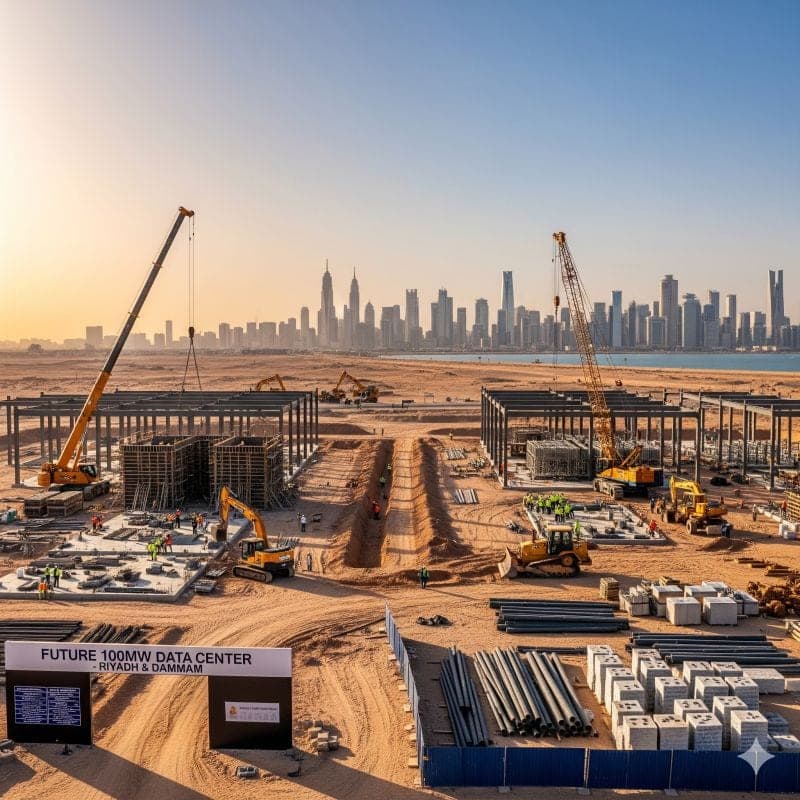
The hardware is just a means to an end. Saudi Arabia is playing a much larger game called Sovereign AI. The objective is to ensure the nation's data, machine learning loops, and intelligence operations never leave its borders or fall under foreign jurisdiction.
Just days before the MIS expansion was made public, HUMAIN struck a massive partnership with French AI unicorn Mistral. The European startup will utilize the MIS-built data centers to deploy open-weight models and train frontier models tailored specifically to the Arabic language and regional cybersecurity.
“That means data can remain within customer-defined boundaries, models can be adapted and owned on open weights... operational autonomy are non-negotiable.”— Mistral
By keeping the infrastructure localized, Saudi Arabia insulates its critical sectors from relying on external cloud providers. It is a declaration of independence in the digital age, built on racks of liquid-cooled silicon.
Overcoming Global Bottlenecks
Building a 250-megawatt AI cluster is not just a real estate challenge; it is a geopolitical and thermodynamic puzzle. The United States has placed stringent export controls on advanced AI chips, fearing technology leakage to adversaries. To secure the advanced silicon required to populate these massive data halls, Saudi Arabia has had to work closely with Western tech giants and commerce officials to prove airtight compliance.
Then there is the physical reality of running tens of thousands of GPUs. AI clusters generate immense heat and demand colossal energy, creating a severe bottleneck for developers in the West. Saudi Arabia, however, is tapping into its vast domestic energy grid.
By pairing abundant local power with high-density cooling designs engineered by MIS, the Kingdom is positioned to bypass the very constraints choking AI expansion elsewhere. They are turning the harsh desert environment into a competitive advantage.
Refining the New Most Valuable Resource
The Al-Moammar brothers' ascent mirrors the rapid rise of early telecom magnates, but on a severely compressed timeline. It also signals a fundamental shift in the global balance of technological power. For decades, the Middle East exported raw energy to fuel other nations' industries.
Now, they are building the infrastructure to consume that energy domestically, refining data and synthetic intelligence instead of petroleum. The nations that control the physical infrastructure of AI will dictate its global development over the next decade.
As sovereign data centers scale from 50 to 250 megawatts and beyond, the Gulf is no longer just a lucrative market for Western tech companies. With leaders like the Al-Moammar brothers laying the groundwork, Saudi Arabia is rapidly becoming a formidable competitor on the world stage.
What people are saying

“A Hong Kong family office has quietly built a portfolio of AI bets worth billions of dollars, getting exposure to a sector that has fueled wild stock market swings this year”

“France and Saudi Arabia have signed a memorandum of understanding for a €6 billion ($7-billion) Saudi investment to create three theme parks near Paris, including one expected to be themed on the "Dragon Ball" series.”

“As India’s global capability centres sector looks to cross $100 billion in value generation by 2030, Fortune India and ANSR announce the launch of the inaugural GCC 50—India’s Most Admired Capability Centres for 2026.”
The Saudi Sovereign AI Megaproject
The Brief
Stay curious
AI and technology: what changes and why it matters.
Your daily selection, in English or Spanish.
Free forever. Unsubscribe anytime.
More stories


Conversation
Start the conversation