
 The Specialty News
Why the Era of the $999 MacBook Air Is Officially Over
The global race to build AI data centers is driving up the cost of your next smartphone and laptop.
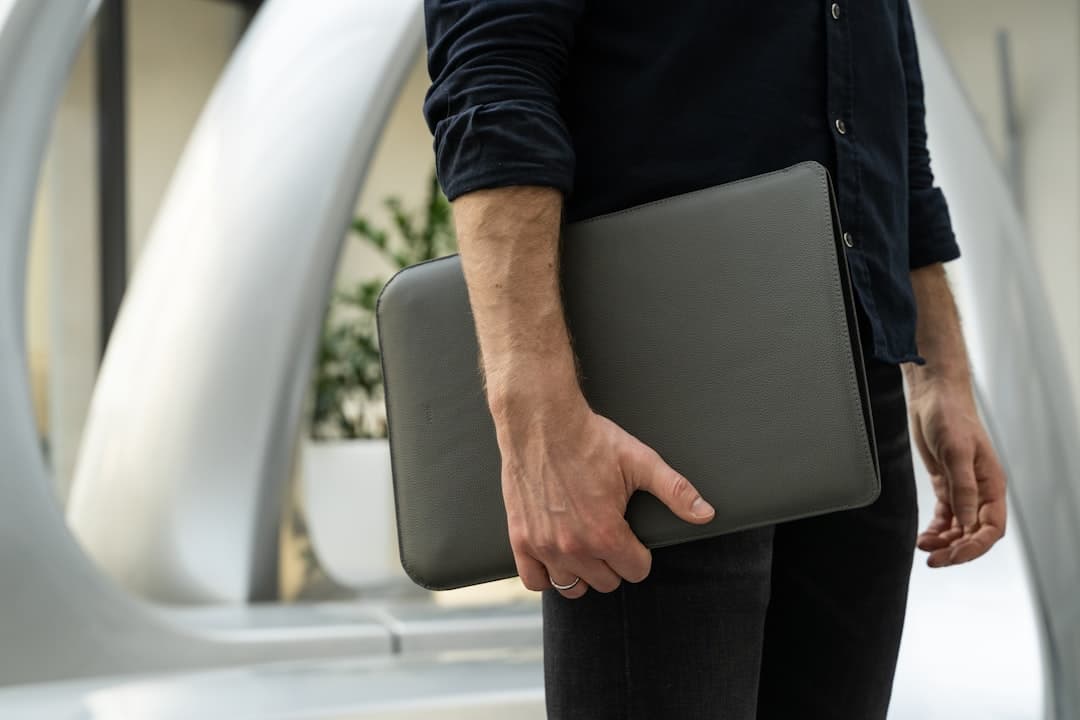
For years, the $999 price tag on a MacBook Air represented a psychological milestone for consumer accessibility. This month, that era ended as Apple raised the entry price for the M5 model to $1,099. This isn't just a corporate pricing shift; it is the first visible sign of a supply chain being devoured by the artificial intelligence gold rush.
The Invisible Squeeze on Consumer Hardware
For years, the $999 price tag on a MacBook Air represented more than just a cost; it was a psychological benchmark for the industry. This month, that era ended as Apple quietly raised the entry price for the new M5 model to $1,099. Samsung made a nearly identical move just days prior, lifting the starting price of the Galaxy S26 to $899. While manufacturers often frame these increases as the cost of offering more value, the reality is rooted in a fundamental disruption of the global supply chain.
The stickers on the retail shelf are merely the final symptoms of a deeper, more expensive fever in the electronics market. Behind the scenes, the basic components found in every modern device—specifically memory and storage—have become prohibitively expensive. Solid State Drive (SSD) prices have doubled in a matter of months, while the specialized RAM required for modern computing has seen surges of up to 500% in some specific categories. This is not simply a matter of general inflation; it is the result of a concentrated bidding war that the consumer is currently losing.
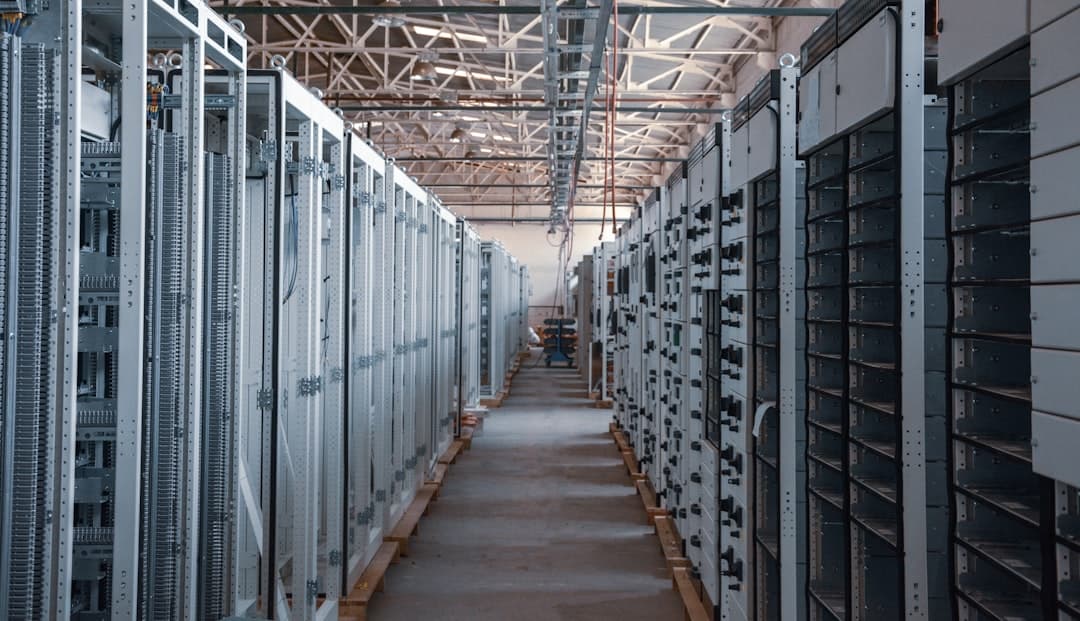
Enterprise storage costs, which impact everything from personal cloud backups to professional server setups, have spiked by 257% in less than a year. The cause of this volatility is a massive redirection of capital. Tech giants including Amazon, Microsoft, Meta, and Google are collectively spending an estimated $700 billion this year to build the massive data centers required to train and run generative AI models. These companies are effectively devouring the global supply of high-performance memory, outbidding traditional consumer electronics makers to secure every available chip.
A Permanent Shift in Global Manufacturing

The scarcity isn't just about who has the deeper pockets; it is about a fundamental pivot in the manufacturing industry. Global semiconductor leaders like SK Hynix and Samsung’s own chip-making division are facing a choice of where to allocate their finite production capacity. They have largely decided to shift away from the low-margin memory modules used in consumer laptops and phones in favor of high-margin, high-bandwidth AI chips. From a business perspective, the decision is clear: it is significantly more profitable to sell a single specialized AI processor than thousands of standard memory sticks.
“we are entering a new normal where the price of personal technology is dictated not by what we can afford, but by how much the world's largest companies are willing to pay for the future of AI.”
This structural shift has created a vacuum in the consumer market. With the major players focusing on enterprise-grade hardware, the production of the components that go into your next laptop or smartphone has slowed. Consequently, as supply drops and costs rise for manufacturers like Apple, those costs are being passed directly to the end user. Industry analysts expect this trend to result in 15% to 20% price hikes across all consumer electronics categories throughout the coming year.
The outlook for the budget-conscious tech enthusiast is sober. Because the infrastructure build-out for artificial intelligence is still in its early stages, the demand for these specific components is expected to remain at a fever pitch for several years. Most industry experts do not expect the pricing pressure to ease until at least 2027, once new manufacturing facilities finally come online. For now, we are entering a new normal where the price of personal technology is dictated not by what we can afford, but by how much the world's largest companies are willing to pay for the future of AI.
Why Your Laptop Got Pricier
The Brief
Stay curious
AI and technology: what changes and why it matters.
Your daily selection, in English or Spanish.
Free forever. Unsubscribe anytime.
More stories


Conversation
Start the conversation