
 The Specialty News
The Giant Leaps of Starship: A New Era for Deep Space
With the successful debut of Version 3, SpaceX moves closer to full reusability and the Moon
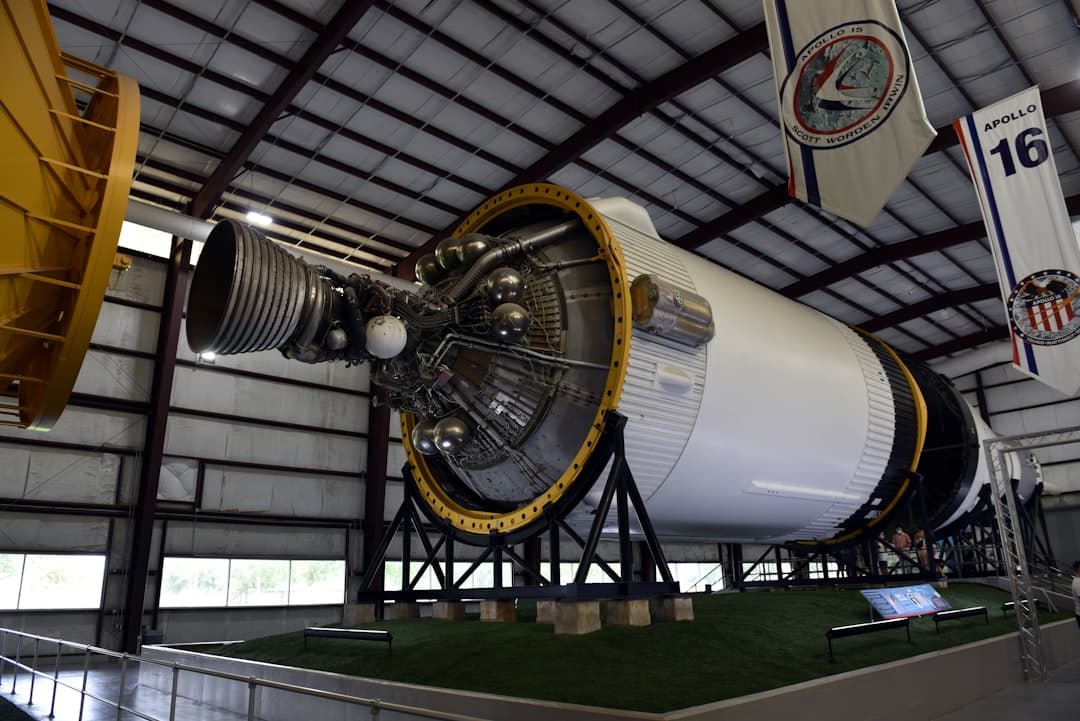
The era of "fail-fast" at Starbase has reached its most significant peak. Following years of iterative tests and spectacular mid-air catches, the transition to the Starship Version 3 architecture has finally bridged the gap between experimental prototype and orbital workhorse. This achievement is not just a win for SpaceX, but a fundamental shift in how humanity accesses the stars.
The Architecture of Success
The recent Flight 12 mission introduced the Version 3 (V3) Starship, a towering 124.4-meter vehicle optimized for the rigors of sustained orbital flight. At its heart lies the Raptor 3 engine, a feat of engineering that provides the necessary thrust to carry over 100 tons into Low Earth Orbit. This iteration is more than just a larger rocket; it represents the refined culmination of eleven prior integrated flight tests.
Unlike the Block 2 prototypes, which were limited to a payload of roughly 35 tons, the V3 architecture is designed for full reusability from the outset. By integrating advanced vertical autonomy—bolstered by the recent acquisition of xAI—the system can now manage the complex physics of reentry and landing with unprecedented precision. This "Starfactory" approach to manufacturing ensures that these massive ships can be produced at a scale previously unseen in aerospace history.
Navigating the New Lunar Reality

While the technical success is undeniable, the mission comes amid a strategic pivot for NASA’s Artemis program. The space agency recently restructured Artemis III to be a docking test in orbit rather than a lunar landing, reflecting the logistical reality of Starship’s refueling needs. To reach the Moon, Starship requires approximately 10 to 15 tanker launches to top off its tanks in orbit—a choreography that remains one of the program’s greatest hurdles.
“the distinction between experimental and operational continues to blur.”
Despite these adjustments, interim NASA leadership views the recent orbital success as the essential foundation for the Artemis IV mission in 2028. The goal of placing American boots on the Moon before international competitors remains the driving force behind this public-private partnership. As SpaceX moves toward a cadence of more frequent launches, the distinction between experimental and operational continues to blur.
Starship Grows Up
The Brief
Stay curious
AI and technology: what changes and why it matters.
Your daily selection, in English or Spanish.
Free forever. Unsubscribe anytime.
More stories






Conversation
Start the conversation