
 The Specialty News
The Folding Frontier: Apple Set to Launch Foldable iPhone in 2026
Late to the party but aiming for perfection, Apple prepares to redefine the premium smartphone segment.
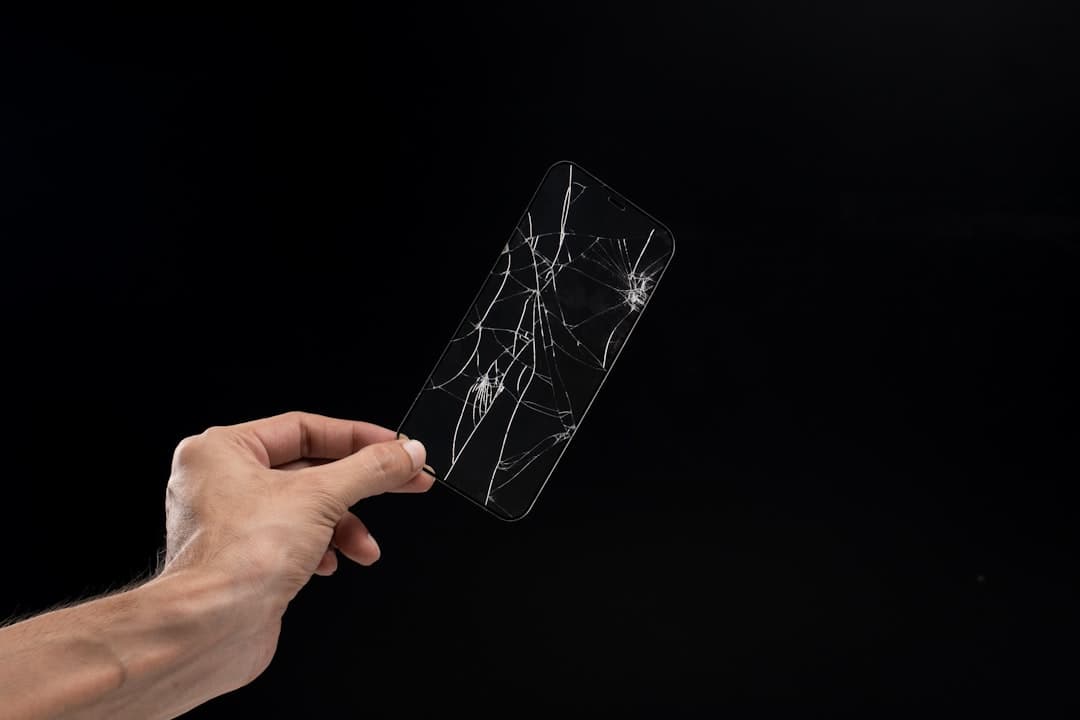
For years, the foldable smartphone market has been a playground for experimentation and early adopters. That changes in late 2026. Apple is finally stepping into the arena, bringing its signature focus on polish and durability to a category long defined by compromise.
Bridging the Gap: Hardware and Design
Apple’s first foldable will reportedly feature a horizontal, book-style fold similar to the industry-leading Samsung Galaxy Z Fold series. Rather than a compact "flip" design, this device aims to be a productivity powerhouse, sporting a massive 7.8-inch internal OLED display. When closed, a 5.5-inch cover screen ensures it remains usable as a standard smartphone.
The internal hardware is expected to be equally ambitious. Powered by the A20 Pro chip—Apple’s first processor built on a 2nm process—the device will offer unprecedented efficiency and speed. To handle the stresses of folding, engineers have designed a titanium alloy frame and a reinforced hinge that integrates stainless steel components for maximum longevity.
One of the most impressive technical feats is the reduction of the screen crease. Leak reports indicate Apple has managed to shrink the crease depth to less than 0.15mm. Compared to the 0.7mm depth found on current competitors, this advancement could finally solve the aesthetic and tactile "bump" that has deterred many potential buyers.
The Premium Pivot and Market Impact

Entering the market comes with a steep price tag. Analysts expect the "iPhone Fold" to retail between $2,000 and $2,400, positioning it as a luxury tier above the current Pro Max models. While this price point is high, IDC predicts Apple will still capture roughly 22% of the foldable unit share in its first year, signaling strong demand from the brand's loyal enthusiast base.
“Apple is betting that consumers will pay more for a device that feels like a finished product rather than a beta test.”
Durability remains a core focus of Apple’s "late but great" strategy. Patents for self-healing displays and thermal systems that protect the hinge in freezing temperatures suggest Apple wants to erase the reputation of foldables as fragile gadgets. By waiting for the technology to mature, Apple is betting that consumers will pay more for a device that feels like a finished product rather than a beta test.
The competitive landscape will be fierce. By the time Apple launches, Samsung will likely be on its eighth generation of foldable hardware. However, Apple’s integration of a "Foldable iOS" could be the real differentiator. The shift to a side-mounted Touch ID sensor—necessitated by the device's thin 5mm profile—hints at a hardware-software synergy that could streamline the user experience in ways competitors have yet to master.
Unfolding the iPhone Fold
The Brief
Stay curious
AI and technology: what changes and why it matters.
Your daily selection, in English or Spanish.
Free forever. Unsubscribe anytime.
More stories






Conversation
Start the conversation