
 The Specialty News
Uber Inks $1.25 Billion Deal to Deploy Rivian Robotaxi Fleet
Starting in 2028, the partnership aims to put 10,000 autonomous R2 vehicles on the road, with an option to scale to 50,000.

The future of urban transportation just got a lot more concrete. Uber Technologies announced a massive $1.25 billion investment in Rivian today, signaling a definitive shift in how the ride-hailing giant plans to scale its autonomous footprint. By integrating Rivian's upcoming R2-based robotaxis directly into the Uber app, the companies are aiming to launch a fully autonomous, platform-controlled fleet starting in 2028.
Why Rivian Won the Spot
Uber’s strategy has evolved from trying to build everything in-house to becoming a marketplace for specialized autonomous operators. By partnering with Rivian, Uber is betting on the power of vertical integration. Rivian controls the entire stack—from the R2 vehicle design to the RAP1 compute platform and the software layer—providing Uber with a level of operational predictability that is often missing from fragmented hardware and software partnerships.
Technically, this is an impressive jump. The R2-based fleet will utilize a potent sensor suite comprising 11 cameras, 5 radars, and a LiDAR unit, all orchestrated by two internal RAP1 chips. With 1,600 tera operations per second of compute power, these vehicles are designed to feed continuous, real-world data back into a training pipeline, essentially creating a flywheel of increasingly capable driving performance.
The Road to 2031
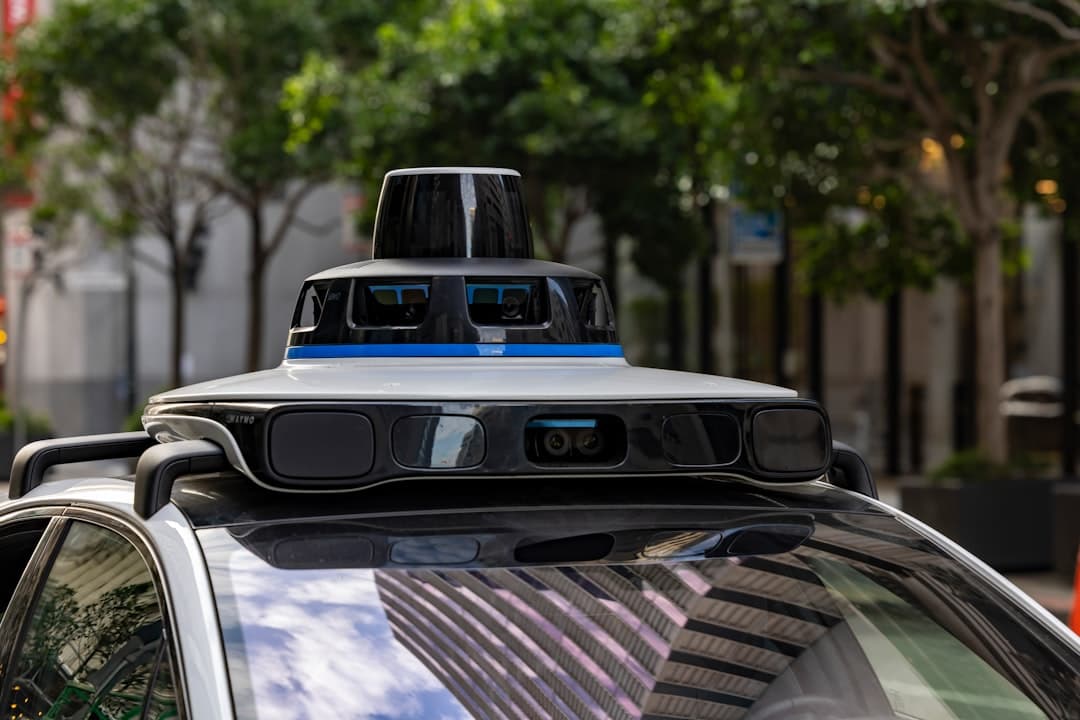
This deal is not just a one-time cash injection; it is a long-term commercial framework. The initial $300 million investment paves the way for 10,000 autonomous vehicles in San Francisco and Miami. The remaining $950 million is tied to specific performance milestones, ensuring that Rivian delivers actual, safe, and reliable autonomous operation before the full capital is deployed. If the tech matures as planned, the deal includes an option for an additional 40,000 units to roll out across 25 global cities by 2031.
“the dream of hailing a dedicated, purpose-built autonomous vehicle is moving rapidly from white papers and press releases into the real world of city streets.”
For investors and commuters alike, this signals a pivot point for the automotive sector. As Rivian prioritizes R&D to meet these milestones, it is accepting short-term trade-offs in profitability to capture a dominant position in the robotaxi market. For the rest of us, it means the dream of hailing a dedicated, purpose-built autonomous vehicle is moving rapidly from white papers and press releases into the real world of city streets.
The Robotaxi Roadmap
The Brief
Stay curious
AI and technology: what changes and why it matters.
Your daily selection, in English or Spanish.
Free forever. Unsubscribe anytime.
More stories




Conversation
Start the conversation