
 The Specialty News
BYD Just Eliminated The Biggest Excuse For Not Buying An EV
New 1,500kW flash charging turns long-distance electric travel into a five-minute pit stop.
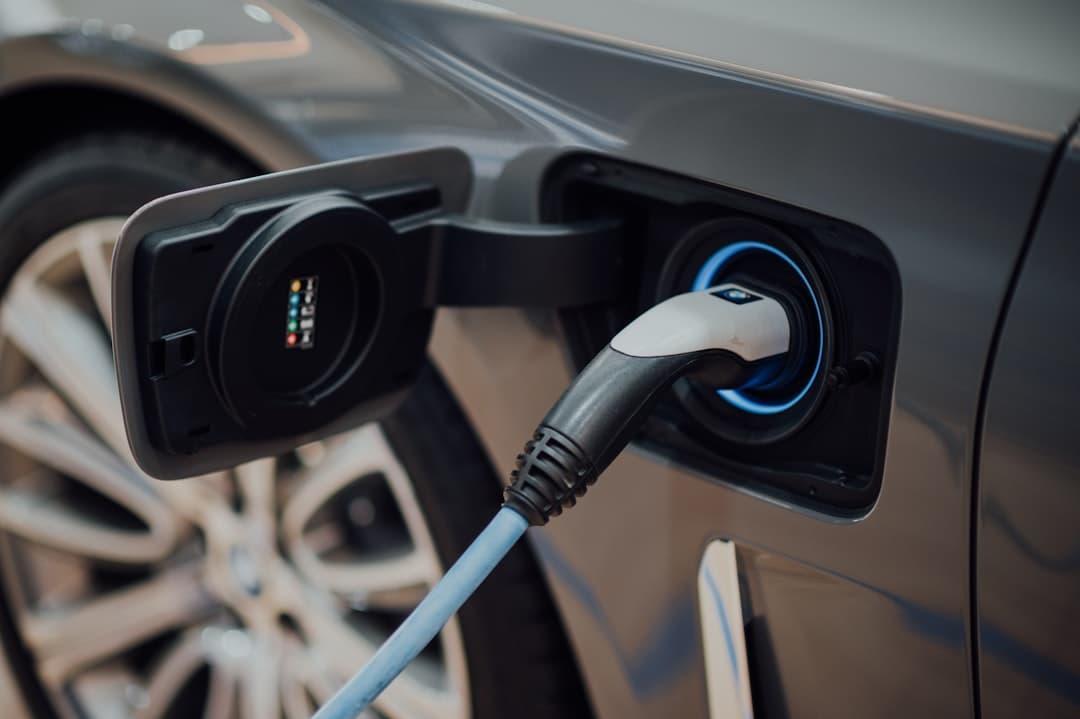
The biggest psychological barrier to electric vehicle adoption has always been the 'fueling' process—waiting thirty minutes or more while a battery slowly climbs to capacity. That barrier just shattered. BYD has unveiled its second-generation Blade Battery paired with 'Flash Charging 2.0,' a technological leap that promises to pull a vehicle from 10% to 70% charge in a mere five minutes.
Redefining the Refueling Experience
The technical specs behind this advancement are striking. By pushing peak charging speeds to 1,500kW, BYD is moving into territory that makes traditional fast-charging stations look like relics of the past. Perhaps more impressively, the system maintains this high performance in brutal conditions, charging from 20% to 97% in under 12 minutes even when the temperature dips to -20°C (-4°F). This effectively solves the dreaded 'cold-weather range loss' that has historically plagued EV owners in northern climates.
Under the hood, this isn't just about speed. The new LFP-based Blade Battery boasts a 5% increase in energy density and a lifetime warranty on the cells, signaling a level of confidence in longevity that the industry has rarely matched. With vehicles like the Yangwang U7 and the Denza Z9GT already clocking in with massive ranges exceeding 1,000 km on the CLTC cycle, the combination of high-speed charging and long-range capacity aims to make range anxiety a footnote in automotive history.
Building a High-Speed Backbone
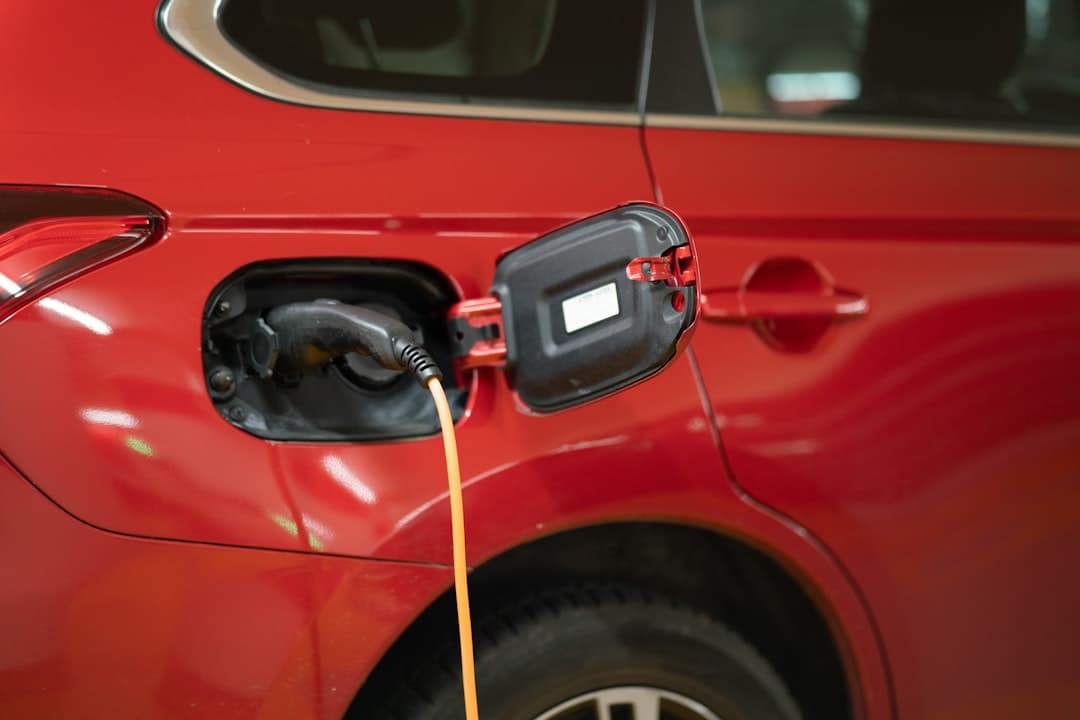
Technology is only as good as the infrastructure supporting it. BYD has set an aggressive goal to expand its Flash Charging network to 20,000 stations by the end of 2026. Recognizing that such massive electrical draws could cripple local grids, the company is deploying a clever 'station-within-a-station' model. By integrating energy storage batteries directly into the charging hubs, these stations can buffer energy, allowing for massive power delivery without requiring a total overhaul of the local utility infrastructure.
“they will have successfully built a proprietary 'moat' similar to Tesla's early Supercharger expansion”
While this vision is compelling, history demands a dose of realism: BYD has struggled to meet past infrastructure deployment targets. Successfully building 20,000 stations in under two years is an immense operational lift that will face stiff regulatory and logistical headwinds. However, if they succeed, they will have successfully built a proprietary 'moat' similar to Tesla’s early Supercharger expansion, effectively setting the new gold standard for what a consumer expects from an EV ownership experience.
Five Minutes to Full
The Brief
Stay curious
AI and technology: what changes and why it matters.
Your daily selection, in English or Spanish.
Free forever. Unsubscribe anytime.
More stories



Conversation
Start the conversation