
 The Specialty News
The Ten Minute Refill Is Finally Here
BYD’s new battery technology eliminates the biggest headache for EV owners: long charging times.
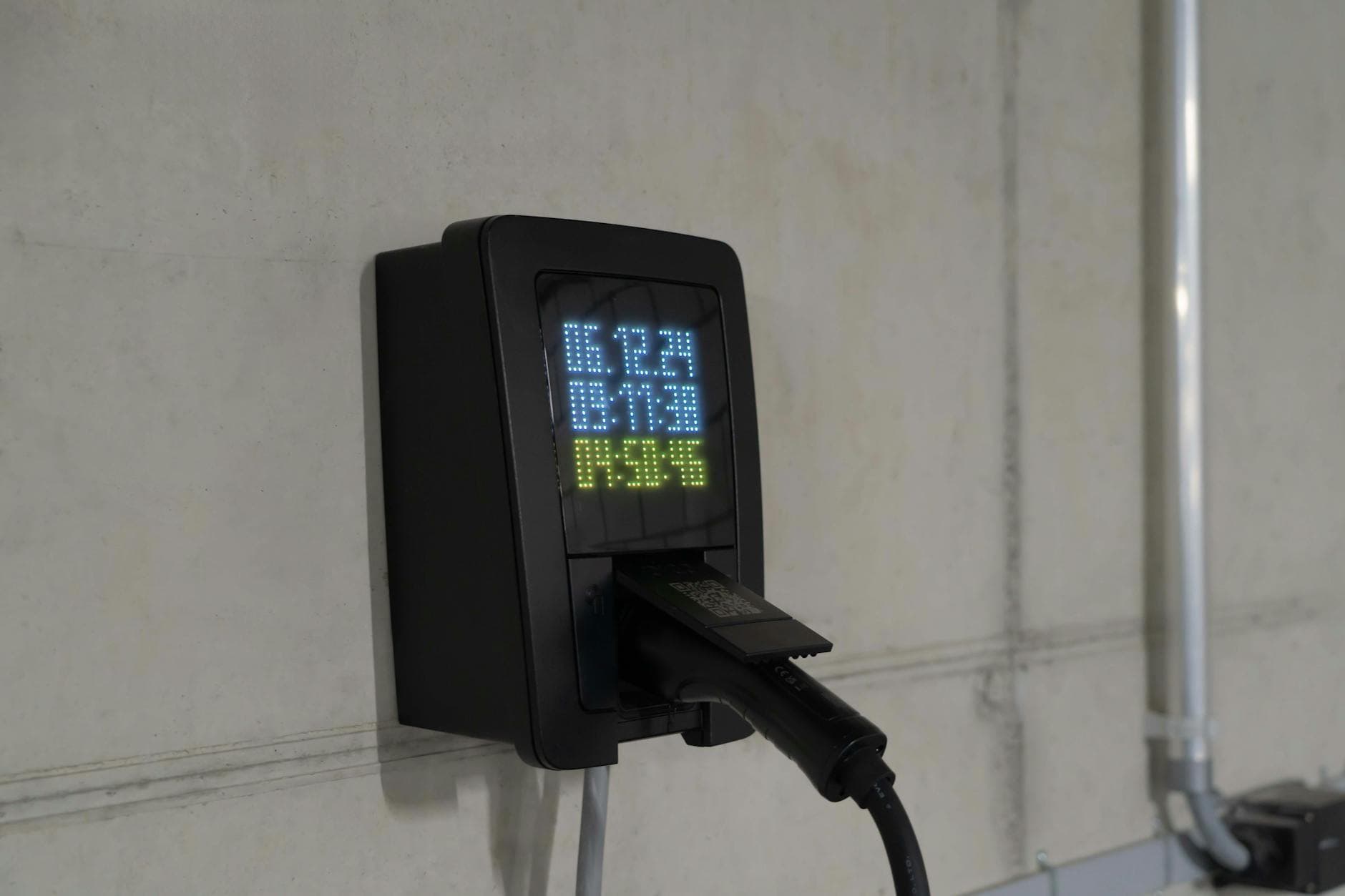
For years, the electric vehicle industry has chased the holy grail of charging speed: the ability to power up as quickly as one fills a gas tank. With the official debut of its second-generation Blade Battery and 'FLASH' charging technology, BYD has moved from theoretical promise to concrete reality. This development represents more than just a spec-sheet victory; it is a fundamental shift in how we power our lives on the move.
Physics Meets Engineering
The secret behind this leap is the 'FlashPass' Ion Transport System. By engineering a cathode with multi-level particle-size architecture and an AI-optimized electrolyte, BYD has reduced internal resistance by 50%. This allows for extreme power intake—up to 1,500 kW—without the thermal runaway issues that historically forced manufacturers to throttle charging speeds.
This isn't laboratory science meant for the distant future. The results are starkly impressive: a 10% to 70% charge in just five minutes, and, perhaps more remarkably, a 20% to 97% charge in 12 minutes even in biting -30°C conditions. By solving the cold-weather charging hurdle that has plagued EV adoption in northern climates, BYD has cleared a massive psychological barrier for potential buyers.
To support this hardware, the company is deploying a proprietary infrastructure network, featuring 'T-shaped' charging gantries designed for ease of use. With over 4,000 stations already live and a target of 20,000 by year-end, the company is treating charging as a utility to be scaled, rather than a luxury niche.
The Road Ahead for Electric Mobility

This technology forces a reckoning for the entire automotive sector. As BYD transitions from competing on price to dominating on pure technical performance, it challenges the 'impossible triangle'—balancing density, speed, and endurance. When drivers can regain 1,000 km of range in the time it takes to grab a coffee, the primary argument for internal combustion engines essentially evaporates.
“we are exiting the era of 'range anxiety' and entering the era of 'refill efficiency.'”
Looking forward, the challenge for BYD will be global scalability. While the Chinese market is currently the proving ground, exporting this proprietary 1,500 kW standard to fragmented regulatory environments in Europe and North America will be an immense logistical test. Yet, the precedent is clear: just as mobile phones once transformed from clunky bricks into high-speed data hubs, the EV battery is rapidly maturing from a range-limited component into a high-utility, rapid-refill energy storage system.
For investors and consumers alike, the lesson is simple: we are exiting the era of 'range anxiety' and entering the era of 'refill efficiency.' The race is no longer just about who can build the cheapest car; it is about who owns the standard for the fastest, most reliable energy transfer on the road.
Refill Efficiency Arrives
The Brief
Stay curious
AI and technology: what changes and why it matters.
Your daily selection, in English or Spanish.
Free forever. Unsubscribe anytime.
More stories





Conversation
Start the conversation