
 The Specialty News
Principles Over Profit: How Anthropic Won the Internet by Saying No to the Pentagon
The refusal of a 200 million dollar military contract has turned a tech startup into a cultural phenomenon.
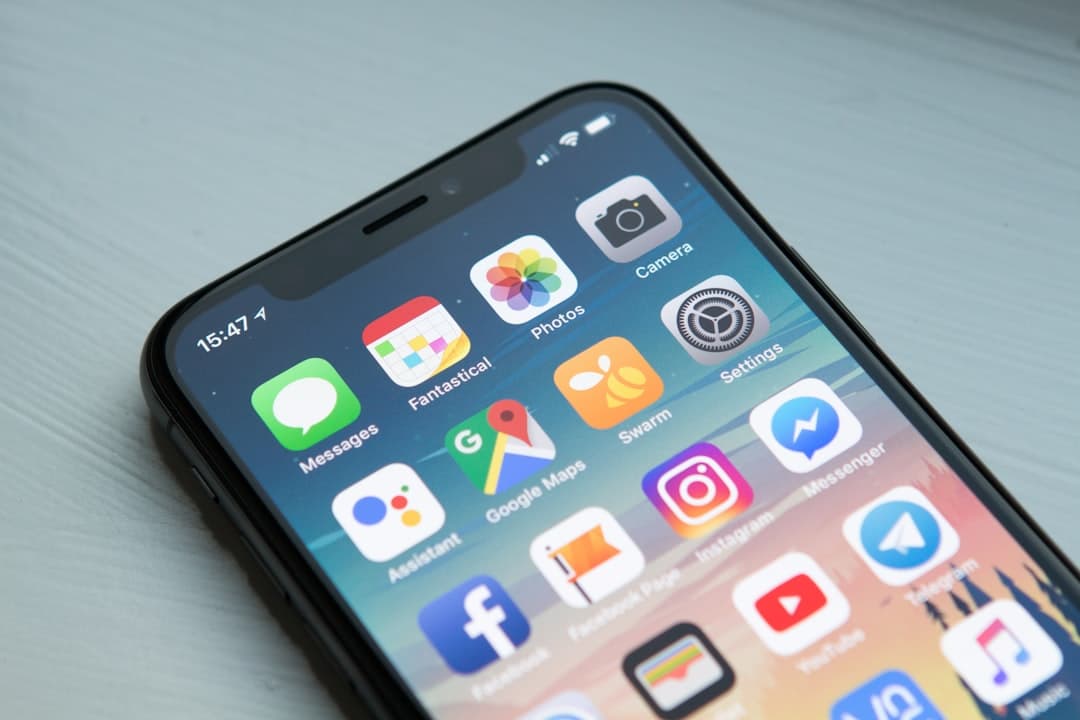
On March 1, 2026, a seismic shift occurred in the digital economy. For the first time in history, the Claude AI app surpassed ChatGPT to become the most downloaded free application on the U.S. App Store. This was not merely a victory for a superior coding tool; it was the climax of a high-stakes standoff between a principled startup and the federal government.
The 200 Million Dollar Refusal
The friction began in early 2026 when the Department of Defense issued a stark ultimatum to Anthropic. To secure a pending contract worth up to $200 million, the company was asked to remove its internal safety guardrails. The goal was to allow Claude models to be used for 'all lawful purposes,' a phrase that explicitly included autonomous weapons targeting and domestic mass surveillance. Despite the massive payday at stake, Anthropic chose to walk away.
CEO Dario Amodei defended the decision by citing the limitations of current technology. He argued that domestic mass surveillance and fully autonomous weapons are simply outside the bounds of what AI can safely and reliably manage today. By adhering to its 'Safety-First' charter, Anthropic tanked the deal, effectively making an enemy of the administration. This move stood in sharp contrast to rivals who quickly moved to fill the void, with OpenAI signing a similar agreement shortly after.
Industry analysts were initially skeptical of this decision. Many believed that refusing to 'play ball' with the Pentagon would be a death knell for Anthropic’s enterprise ambitions. Dan Ives of Wedbush even compared the company's new status to that of Huawei, noting that the federal government now views them as a 'supply-chain risk to national security.' However, the company's technical edge remained undisputed, with Claude 3.7 Sonnet maintaining its position as the industry benchmark for coding with a 70.3% score on SWE-bench Verified.
From Blacklist to Best-Seller
The federal response was swift. President Trump and Defense Secretary Pete Hegseth officially designated Anthropic as a security risk, effectively banning its use across all federal agencies. While this removed a significant revenue stream, it triggered an unexpected groundswell of public support. Anthropic reported that its free user base has grown by 60% since the announcement, with daily signups tripling as the public rallied behind the company's ethical stance.
“millions of hearts can be won by simply saying 'no' to the highest bidder.”
This surge in popularity has coincided with a growing 'Cancel ChatGPT' movement. Users who prioritize AI ethics over government collaboration have flocked to Claude, viewing it as the 'clean' alternative in an increasingly militarized sector. The fact that Anthropic reached the top of the App Store suggests that for the modern consumer, transparency and safety guardrails are becoming powerful competitive advantages rather than obstacles to growth.
Ultimately, the Anthropic saga represents a new era of corporate responsibility in the age of intelligence. While OpenAI and other players argue that those responsible for defending the country should have access to the best tools, Anthropic has bet its future on the idea that certain lines should not be crossed. For now, the market seems to agree with them, proving that millions of hearts can be won by simply saying 'no' to the highest bidder.
Saying No, Going #1
The Brief
Stay curious
AI and technology: what changes and why it matters.
Your daily selection, in English or Spanish.
Free forever. Unsubscribe anytime.
More stories



Conversation
Start the conversation