
 The Specialty News
Tesla FSD 14 is Turning Commuters Into Passengers
As neural networks evolve, the dream of effortless travel is becoming a supervised reality.
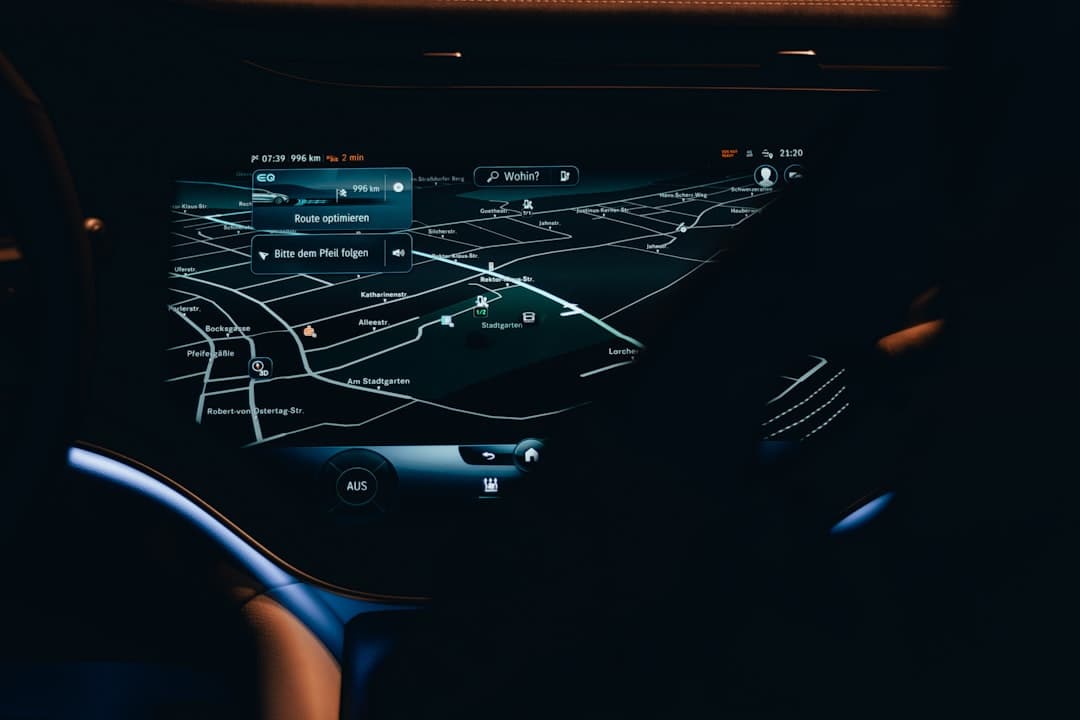
When an 87-year-old grandmother who hasn't driven in five years sits behind the wheel of a Cybertruck and calls the experience 'amazing,' we have reached a genuine milestone in human-machine interaction. This isn't science fiction; it is the current state of Tesla’s Full Self-Driving (Supervised) v14.2.2.5. The technology is rapidly maturing from a parlor trick into a daily utility that is fundamentally altering our relationship with the automobile.
The Neural Network Upgrade
At the heart of this performance leap is a new vision encoder that processes surroundings with significantly higher resolution than previous versions. By consuming massive streams of data—currently logging over 20 million miles per day—Tesla’s AI is mastering the 'edge cases' that once stumped autonomous systems. It is now much more adept at interpreting subtle human gestures, emergency vehicle lighting, and roadside debris, moving the needle closer to true, real-world autonomy.
This isn't just about steering and braking anymore. The introduction of 'Arrival Options' marks a shift toward user-centric design, allowing drivers to dictate precisely where and how they want to be dropped off. It’s a subtle but vital move that transforms the vehicle from a simple machine into a service platform, effectively testing the architecture that will eventually power a fully autonomous robotaxi fleet.
The Road Ahead for Supervised Autonomy

Despite the 'wow' factor, it is critical to keep feet on the ground: this remains a supervised system. The road to full autonomy is paved with regulatory scrutiny, as authorities like the NHTSA continue to monitor crash data and the nomenclature used to market these systems. While the car handles complex environments with poise, users still report occasional 'hallucinations,' such as confusing static objects or struggling with non-optimal navigation routes in dense urban grids.
“the vehicle is becoming a platform that evolves through over-the-air updates.”
Yet, the takeaway is clear: the car is no longer a static piece of hardware. Like the smartphone before it, the vehicle is becoming a platform that evolves through over-the-air updates. As the fleet continues to ingest data, the gaps in logic will shrink. The future of transportation isn't just about building better cars; it’s about refining the massive, data-hungry brain that sits behind the dashboard, steadily pushing the boundaries of what a human driver is expected to do.
The Car That Keeps Learning
The Brief
Stay curious
AI and technology: what changes and why it matters.
Your daily selection, in English or Spanish.
Free forever. Unsubscribe anytime.
More stories




Conversation
Start the conversation