
 The Specialty News
SpaceX Isn't Building a Company, It Is Building an Empire
The uncomfortable reality of a private firm holding the keys to the orbital kingdom.
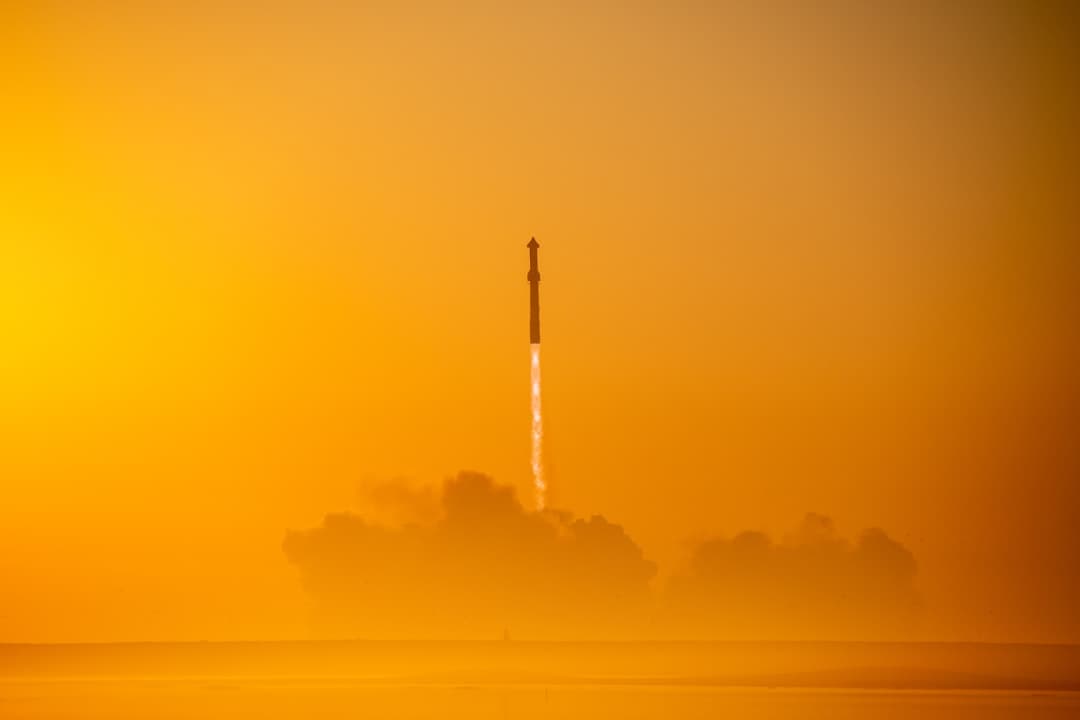
If you look at the current orbital landscape, you aren't seeing a competitive market; you are witnessing a coronation. Fran Perez is right: for all intents and purposes, SpaceX has no real competition. While the industry cheers for 'democratization,' we have quietly handed the keys to the future of the species to a single company that is rapidly folding every piece of the puzzle—launch, connectivity, and compute—into its own gravity well.
The Illusion of Choice in Orbit
The irony of the current space race is almost too delicious to be an accident. SpaceX dominates with an 80% market share, yet its competitors—from Amazon’s Project Kuiper to AST SpaceMobile—are forced to rely on Falcon 9 rockets to deploy their own hardware. These companies are effectively subsidizing their own funeral by paying their primary rival for the lift. When your competitor controls the taxi, you can’t exactly complain about the destination.
This isn't just business; it is infrastructure capture. We treat space as a wide-open frontier, but the economics have locked it down into a toll-road model. By the time someone else figures out how to land a rocket consistently, SpaceX will have already moved the goalposts to the Moon, Mars, and beyond, leaving the traditional aerospace stalwarts to fight over the scraps of a market that has already been paved over.
The Monopoly We Were Promised

The transition from 'launch provider' to 'orbital utility' is nearly complete. With Starlink generating billions and a planned integration with xAI to build space-based data centers, SpaceX is positioning itself as the bedrock of a new, off-world economy. The lesson here is simple: in capital-intensive industries, cost-disruption doesn't just lower prices—it consolidates power.
“We wanted the stars, but we ended up with a utility company.”
What happens when our global internet, our defense-critical sensors, and eventually our AI-processing backbone all sit on the same corporate platform? We are building a massive systemic risk disguised as a technological triumph. SpaceX claims it is building an 'innovation engine,' but what they are actually building is a central point of failure. If the company hits a structural wall, the entire global trajectory for orbital development stalls with it. We wanted the stars, but we ended up with a utility company.
The Orbital Toll Road
The Brief
Stay curious
AI and technology: what changes and why it matters.
Your daily selection, in English or Spanish.
Free forever. Unsubscribe anytime.
More stories



Conversation
Start the conversation