
 The Specialty News
South Korean Stocks Dance on the Grave of Logic
A 12% crash followed by a 12% jump isn't a market; it's a nervous breakdown.
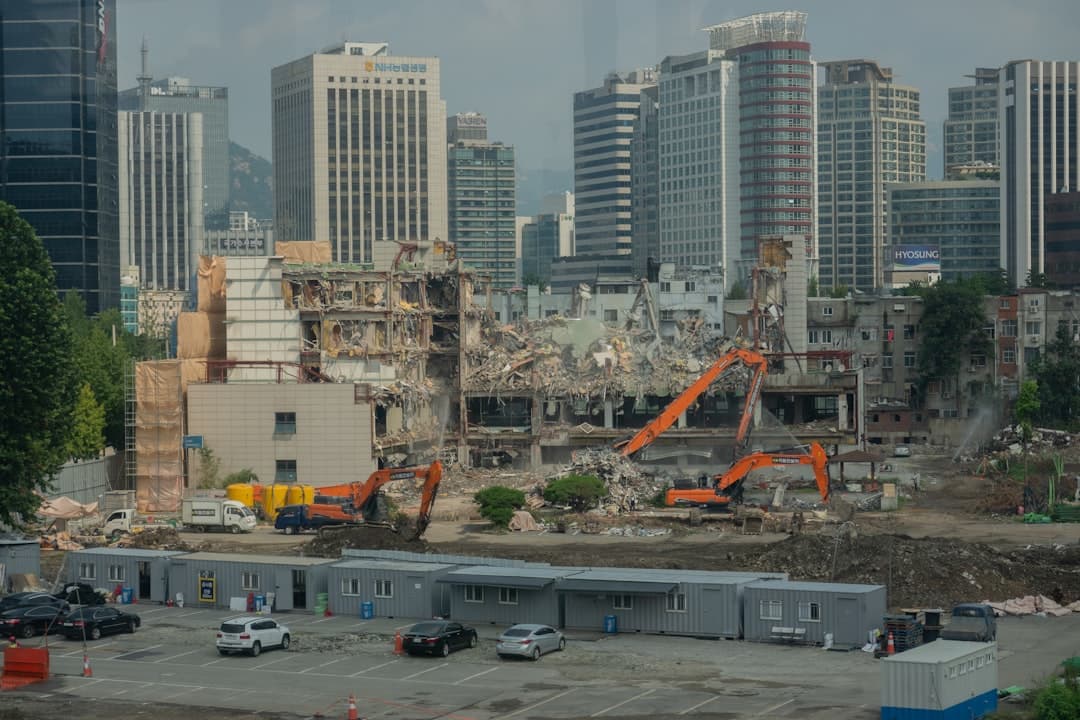
If you blinked during the first week of March 2026, you might have missed the entire lifecycle of a financial panic. In twenty-four hours, the South Korean KOSPI index staged a historic 12% faceplant, only to perform a near-identical cartwheel in the opposite direction the next day. Watching the market swing like a pendulum in a hurricane, one has to wonder: are we investing in companies, or are we just watching a very expensive game of algorithmic musical chairs?
The Illusion of Stability
The narrative leading into this week was that South Korea’s market was an AI-powered juggernaut, safe and robust. That delusion lasted right up until the geopolitical reality of a potential U.S.–Iran conflict hit the wires. On March 4, the KOSPI cratered 12.06%, officially making the 2001 post-9/11 sell-off look like a mild afternoon dip. When the dust settled, it wasn't due to some newfound economic wisdom or corporate turnaround; it was because a single New York Times report suggested diplomats might talk to each other.
This isn't market efficiency; it's the ultimate admission that modern trading is a news-cycle-dependent reflex. We have built a financial architecture so sensitive to headlines that it can lose a decade of growth and regain it in the time it takes to brew a pot of coffee. Han Ji-young of Kiwoom Securities correctly noted the plunge was 'excessive,' but that’s the point: in a world of high-frequency trading and algorithmic panic, there is no such thing as 'fair value' anymore. There is only the speed of the sell order and the reach of the next headline.
Socializing the Panic
Of course, no market meltdown is complete without the government rushing in to perform triage with taxpayer money. President Lee Jae Myung promptly threw 100 trillion won—roughly $68 billion—at the problem to 'stabilize' the market. It is a time-honored tradition in finance: when the casino starts burning down because of the owners' reckless bets, the state arrives with a fire hose paid for by the folks who weren't even invited to the game.
“It's not just a market; it's a government-subsidized mood ring for the ultra-wealthy.”
This highlights the ultimate lesson of the 2026 volatility: in the modern global economy, there is no such thing as decoupling from geopolitical risk, no matter how many AI microchips you sell. The 100 trillion won fund exists to backstop the giants, effectively socializing the risk of a war they cannot control. As long as institutional investors know that a government safety net is waiting at the bottom of the crater, they will continue to treat the market like a volatile toy. It’s not just a market; it’s a government-subsidized mood ring for the ultra-wealthy.
Forty-Eight Hours of Panic
The Brief
Stay curious
AI and technology: what changes and why it matters.
Your daily selection, in English or Spanish.
Free forever. Unsubscribe anytime.
More stories
Conversation
Start the conversation