
 The Specialty News
Runway and NVIDIA Crush Latency With Real-Time AI Video Generation
The new model delivers high-definition frames in under 100 milliseconds, faster than the blink of a human eye.
The agonizing wait for AI video to render is officially becoming a relic of the past. At this week's NVIDIA GTC conference, Runway unveiled a new generative model capable of producing high-definition video with a time-to-first-frame of under 100 milliseconds. For context, that is faster than the average human blink, which typically lasts between 100 and 400 milliseconds. It is a staggering leap in performance that moves AI from a background rendering tool to a live, interactive creative instrument.
The Tech Behind the Instant
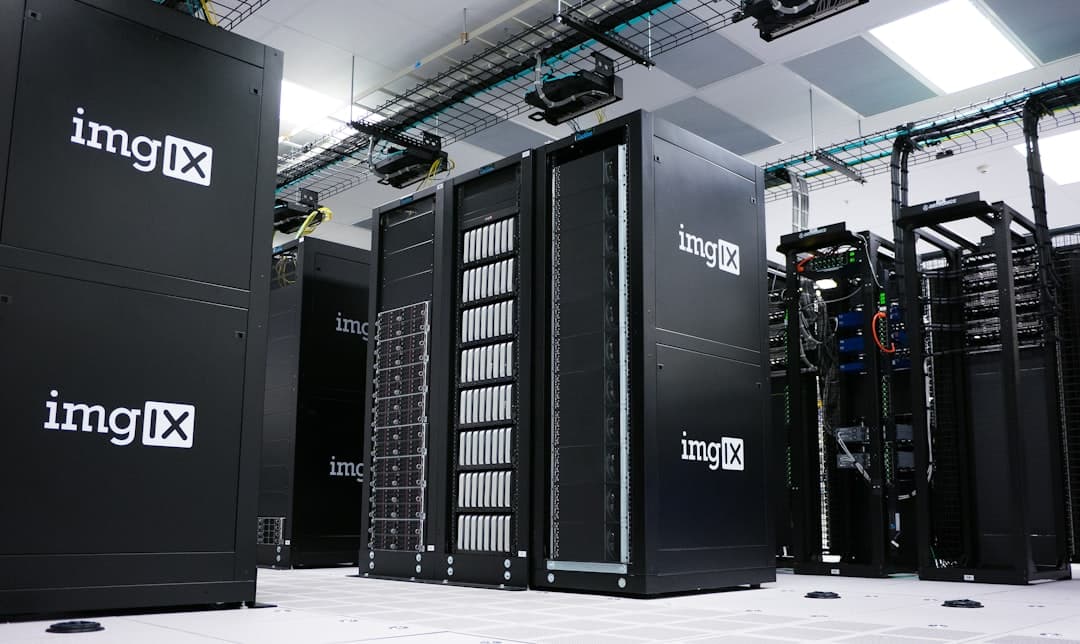
This leap in speed is not just a software optimization; it is a full-stack engineering marvel. The demo relies on NVIDIA’s new Vera Rubin platform, a beast of a machine featuring the Rubin GPU architecture, new Vera CPUs, and high-bandwidth HBM4 memory. By co-designing the GWM-1 (General World Model) specifically for this hardware architecture, Runway has managed to bypass the compute bottlenecks that have historically plagued generative video. Previous generation models operated on a 'batch-and-wait' workflow, often requiring minutes to produce even short, stuttering clips. By slashing latency to the sub-100ms threshold, Runway is enabling a fundamentally different design space. You can now tweak prompts or change camera angles in real time, watching the AI respond to your creative intent as if you were directing a digital film set on the fly.
From Static Clips to Living Worlds

The true significance of this milestone lies in its status as a foundational building block for what researchers call 'World Models.' These are systems designed not just to mimic visuals, but to understand physics, space, and causality. When you can render these simulations in real time, the technology evolves from a parlor trick into a simulator for everything from autonomous robotics to immersive, physics-aware gaming environments. Of course, challenges remain. Transitioning this performance from a massive, multi-million dollar supercomputing rack to the consumer devices in our pockets will be the next great hurdle. Furthermore, maintaining long-term physical consistency while streaming remains an active area of research. But the trajectory is undeniable: just five years ago, models took 15 minutes to produce a single, blurry scene. Today, we are effectively watching the birth of a real-time 'Holodeck' capable of synthesizing reality on demand.
“we are effectively watching the birth of a real-time 'Holodeck' capable of synthesizing reality on demand.”
Video at the Speed of Sight
The Brief
Stay curious
AI and technology: what changes and why it matters.
Your daily selection, in English or Spanish.
Free forever. Unsubscribe anytime.
More stories




Conversation
Start the conversation