
 The Specialty News
Niantic Leverages 30 Billion Pokemon Go Scans to Train Delivery Robots
By transforming crowdsourced gameplay into a Visual Positioning System, Niantic is solving the critical last-mile navigation problem for autonomous fleets.
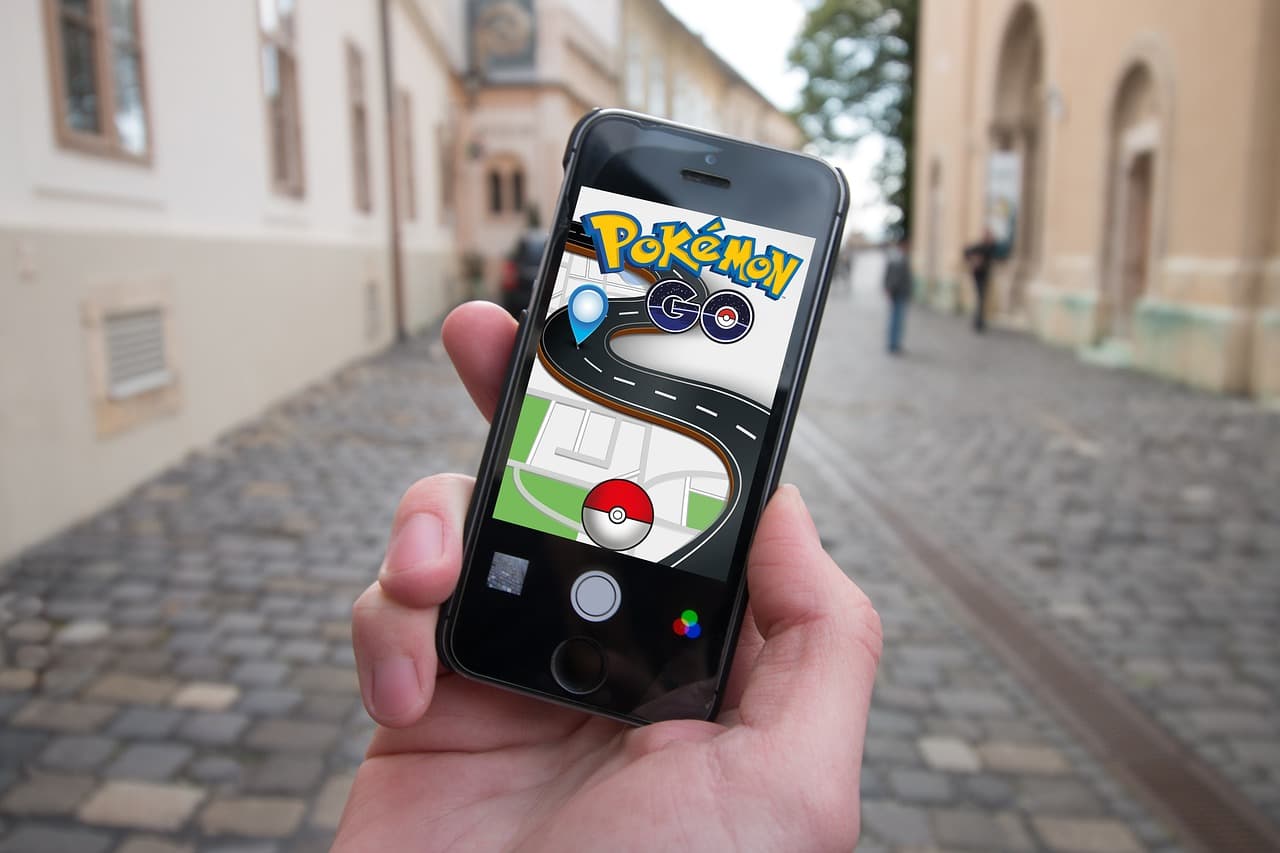
For years, millions of players wandered through parks and city centers, pointing their phones at landmarks to capture virtual creatures. It turns out, those 30 billion images were doing more than just filling a Pokedex; they were acting as a massive, distributed training ground for the future of robotics. Now, Niantic is leveraging this unprecedented dataset to turn autonomous delivery robots from clumsy machines into masters of urban navigation.
From Augmented Reality to Robotic Eyes
The core challenge for any sidewalk robot is the 'urban canyon' effect. In dense cities, tall buildings reflect and block GPS signals, causing navigation errors of up to 50 meters—a fatal flaw when you are trying to find a specific front doorstep. To bridge this gap, Niantic Spatial has built a Visual Positioning System (VPS) that treats the world as a recognizable puzzle.
“getting a digital creature to interact with the real world and getting a physical robot to navigate it successfully are essentially the same fundamental problem.”
By matching a robot’s current camera feed against the colossal library of photos captured during Pokémon GO gameplay, the system can pinpoint a robot's location with centimeter-level accuracy. This partnership with Coco Robotics, which operates a fleet of nearly 1,000 delivery bots, is the first major proof-of-concept for this technology. As Niantic CEO John Hanke put it, getting a digital creature to interact with the real world and getting a physical robot to navigate it successfully are essentially the same fundamental problem.
The Dawn of the Living Map
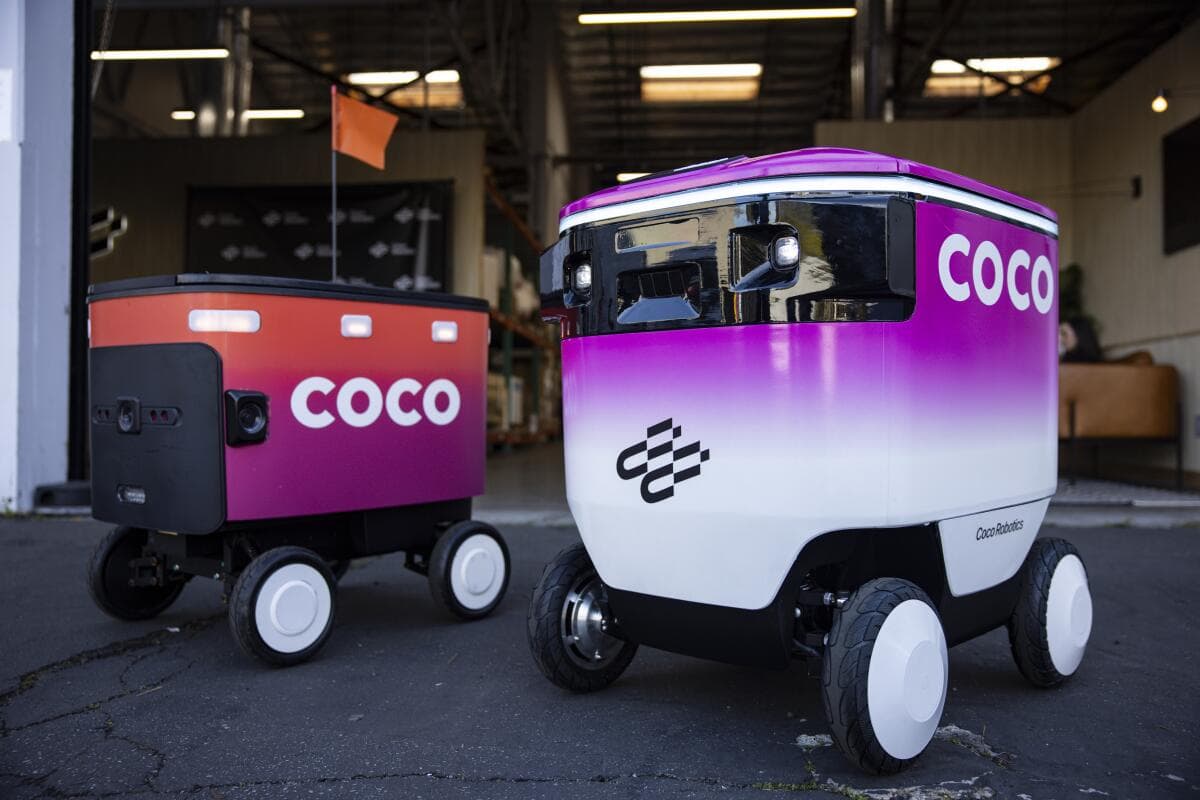
This pivot into geospatial AI signals a larger shift in how we build autonomous infrastructure. Instead of relying solely on expensive, proprietary sensors or static, outdated satellite maps, companies are moving toward 'living maps'—dynamic environments that are constantly updated by a crowd of users. This creates a powerful feedback loop where every scan improves the navigation capability of every robot in the network.
While this technological leap is impressive, it highlights the 'unwitting' nature of modern data harvesting. While players consented to scanning for in-game rewards, the transition of this data into a commercial logistics tool raises questions about transparency and the future of surveillance. Nevertheless, for the robotics industry, this is a game-changer. By solving the final, most difficult meter of delivery, Niantic is quietly positioning itself as the indispensable foundation upon which the next decade of autonomous logistics will be built.
From Pokédex to Robot Eyes
The Brief
Stay curious
AI and technology: what changes and why it matters.
Your daily selection, in English or Spanish.
Free forever. Unsubscribe anytime.
More stories






Conversation
Start the conversation