
 The Specialty News
Sam Altman Pivots OpenAI to Massive Datacenter Infrastructure Strategy
As development of the new 'Spud' model concludes, OpenAI is shedding mobile apps to focus exclusively on the industrial-scale compute race.

The era of the AI software wunderkind is quietly coming to an end. OpenAI has officially completed the initial development of its next generation model, codenamed 'Spud,' but the most significant headline isn't the model itself—it’s the total realignment of CEO Sam Altman’s calendar. Altman has stepped back from direct safety oversight to focus exclusively on three tasks: raising record capital, securing supply chains, and building datacenters at an unprecedented scale.
The Shift From Code to Concrete
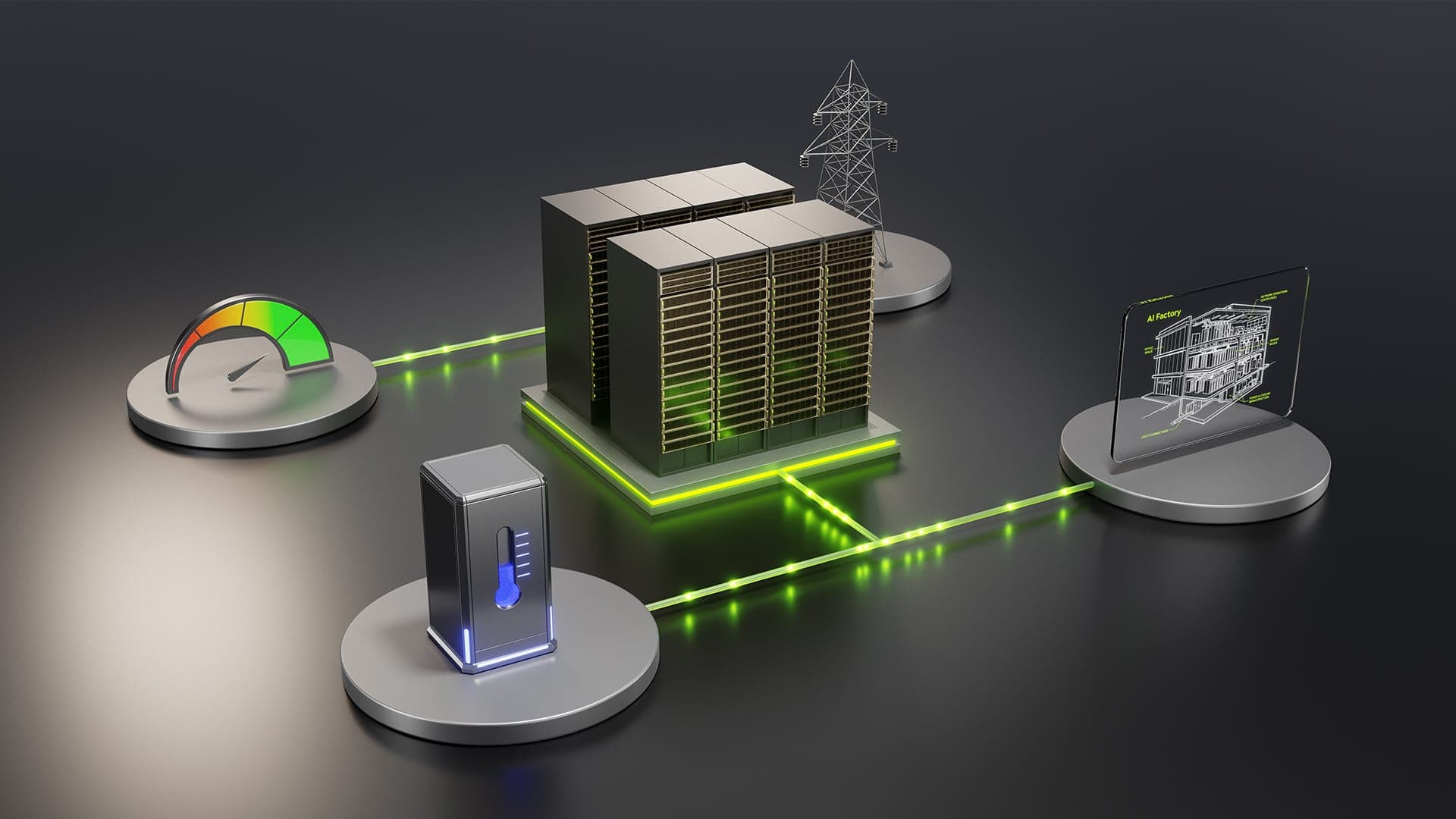
This pivot is a clear signal that the 'frontier' of AI is no longer defined by algorithms alone, but by raw, physical throughput. In a tactical move to prioritize these infrastructure demands, OpenAI is shutting down its Sora AI mobile application, a product that previously consumed significant compute capacity. By trimming the fat, the company is reallocating every available watt and GPU toward the massive energy and hardware requirements needed to deploy Spud.
This mirrors the Gilded Age of the late 19th century, where railroad moguls realized that owning the tracks was more important than building the trains. Altman is moving to position OpenAI not just as a developer, but as a foundational 'AI cloud' provider. For the company, this is a transition from high-level software experimentation to the gritty reality of industrial logistics.
Why the Infrastructure Race Matters
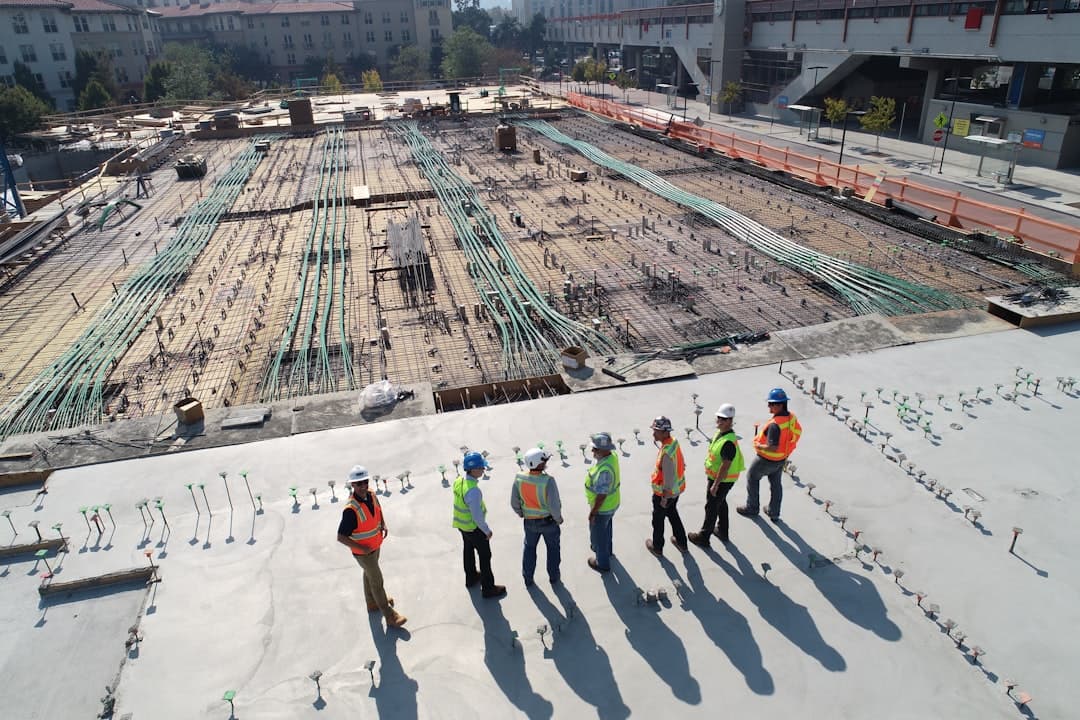
The road to the next, more powerful model is paved with obstacles that have nothing to do with deep learning. As OpenAI moves to construct datacenters at an unprecedented scale, they are running headlong into the limitations of the physical world: energy grid constraints, local zoning battles, and the massive financial intensity required to sustain such growth. Delegating safety oversight in favor of this hyper-scale expansion has already drawn sharp scrutiny from stakeholders, marking a definitive change in the company's internal posture.
“The future of AI is no longer a soft product; it is a hard infrastructure play.”
Looking forward, the companies that will define the next decade of artificial intelligence will not be those with the cleverest chatbots, but those with the most reliable, expansive power backbones. Whether this industrial-first strategy can survive the inevitable regulatory pushback and community opposition will likely determine who claims the crown in the post-Spud era. The future of AI is no longer a soft product; it is a hard infrastructure play.
From Code to Concrete
The Brief
Stay curious
AI and technology: what changes and why it matters.
Your daily selection, in English or Spanish.
Free forever. Unsubscribe anytime.
More stories


Conversation
Start the conversation