
 The Specialty News
NVIDIA and Uber Partner to Launch Global Robotaxi Network by 2027
Jensen Huang signals the 'ChatGPT moment' for self-driving cars, targeting 28 cities with a new reasoning-based AI architecture.
The long-promised era of the robotaxi just accelerated significantly. NVIDIA CEO Jensen Huang declared at GTC 2026 that the 'ChatGPT moment' for self-driving cars has finally arrived, shifting the industry from rigid rule-based programming to sophisticated, reasoning-based artificial intelligence. With a massive new partnership roster and a concrete plan with Uber, the future of urban transit is shifting gears from experimental pilot to global infrastructure.
The Reason Behind the Robotaxi
At the core of this leap is NVIDIA’s new Alpamayo model. Unlike the brittle 'if-then' software that has historically struggled with unpredictable road conditions, Alpamayo utilizes 'chain-of-thought' logic. It allows vehicles to process complex, edge-case scenarios—like erratic pedestrian behavior or messy construction zones—by breaking down environmental data step-by-step just as a human driver might evaluate a dangerous intersection.
This technology is packaged into the DRIVE Hyperion platform, which acts as a standardized operating system for the physical world. By offering an end-to-end stack that manages everything from cloud-based simulation to real-time compute, NVIDIA is lowering the barrier for automakers to deploy Level 4 autonomy. The results are already visible, as industry giants like Hyundai, Nissan, and BYD have joined the fold, bringing the total ecosystem to nearly 20 major automotive partners.
From Pilots to Global Streets
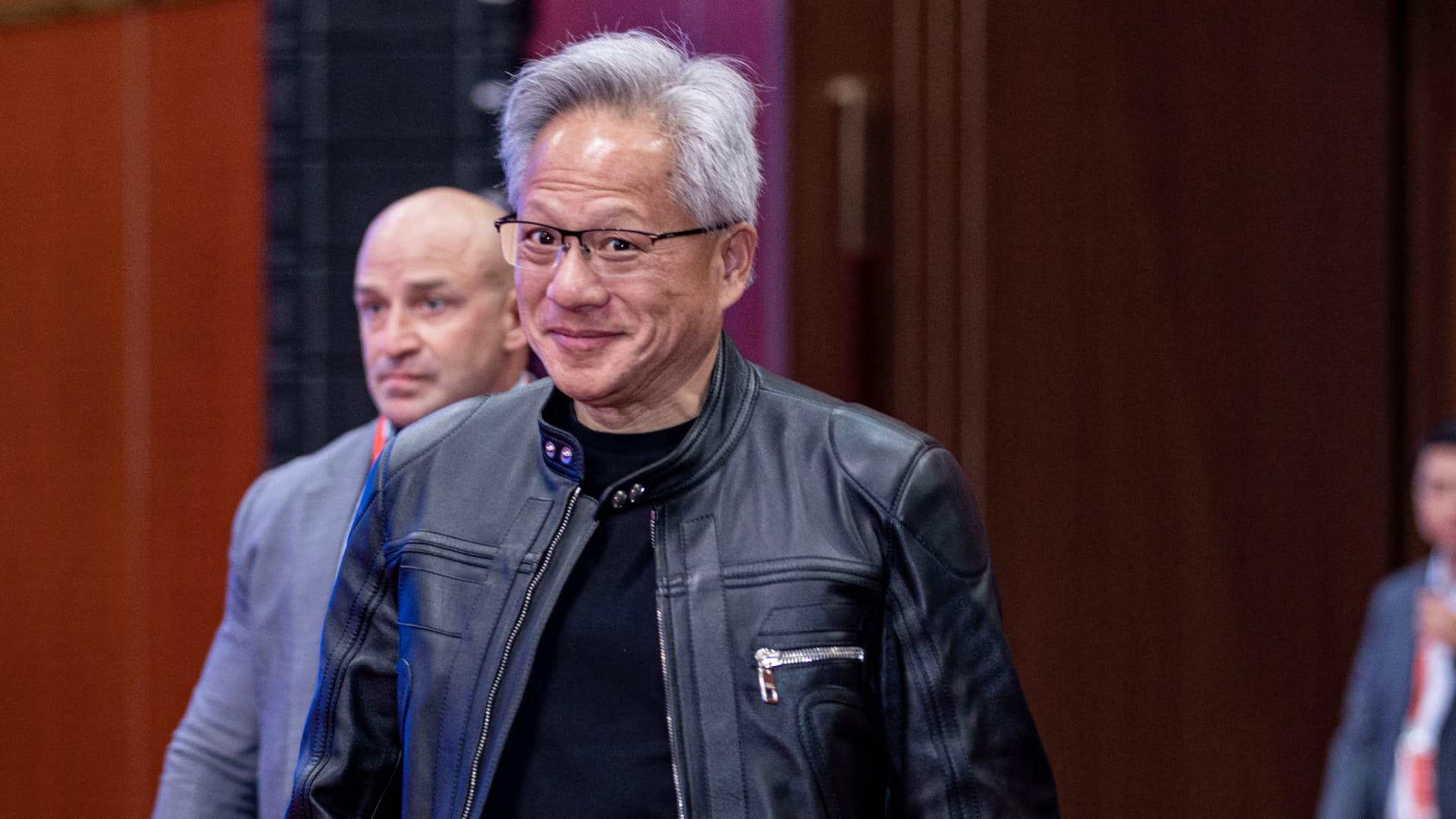
The most tangible outcome of this technological maturation is the partnership with Uber. The companies have committed to launching a Level 4 autonomous network starting in Los Angeles and San Francisco in the first half of 2027. This isn't just a limited beta; the plan is to scale the service to 28 cities worldwide by 2028, turning the robotaxi from a niche novelty into a standard urban utility.
“We are entering an era where hardware is merely a vessel for the software that navigates it.”
While challenges remain—specifically regarding the rigorous safety verification required for driverless operation and the patchwork of global regulatory environments—the trajectory is clear. We are entering an era where hardware is merely a vessel for the software that navigates it. As the automotive industry shifts toward a service-centric model, the winners will be those who can best harness reasoning AI to provide the safest, most reliable ride on the road.
The Robotaxi Countdown
The Brief
Stay curious
AI and technology: what changes and why it matters.
Your daily selection, in English or Spanish.
Free forever. Unsubscribe anytime.
More stories



Conversation
Start the conversation