
 The Specialty News
NASA's DART Mission Successfully Redirects Asteroid Orbit
By slamming a spacecraft into the Dimorphos moonlet, NASA proved we can protect Earth from cosmic threats.
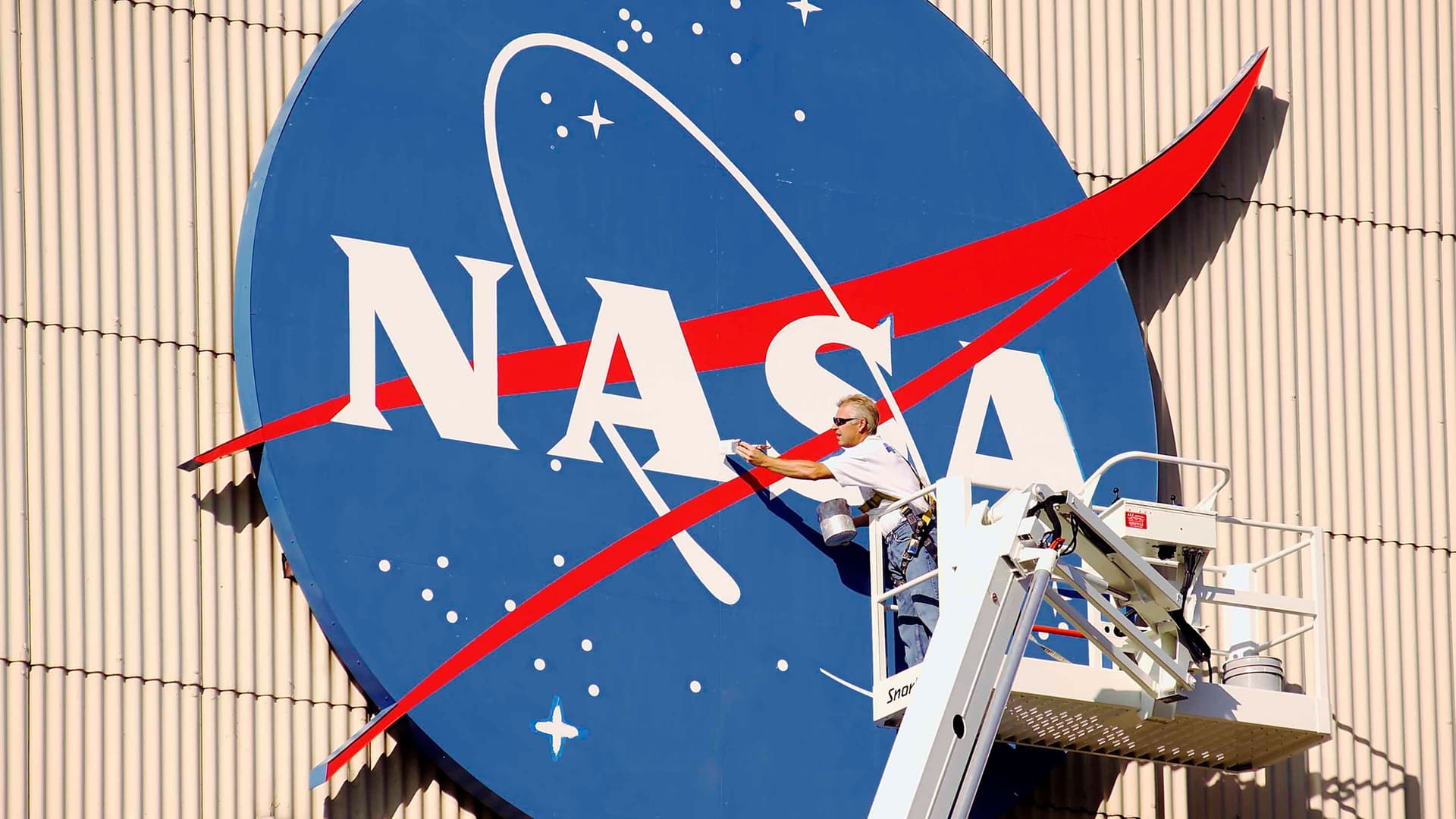
It sounds like a blockbuster sci-fi premise, but it is now a confirmed feat of engineering: we can knock an asteroid off course. After a 2021 launch via SpaceX's Falcon 9, NASA's Double Asteroid Redirection Test (DART) mission has officially proven that a kinetic impact can fundamentally alter the orbit of a space rock.
The Physics of the Perfect Hit
The target was Dimorphos, a small moonlet orbiting a larger asteroid named Didymos. To pull off this celestial billiards shot, DART hurtled through space at roughly 14,000 miles per hour, slamming into its target with precise intent. The impact wasn't just a flashy collision; it was a high-stakes stress test for our planetary defense capabilities.
NASA confirmed that the mission didn't just dent the asteroid; it shifted the orbit of both objects around the Sun. By transferring its kinetic energy directly into the asteroid, DART shortened the time it takes for Dimorphos to orbit its larger companion, providing concrete data that such a method is viable for future asteroid mitigation strategies.
What This Means for Earth's Future
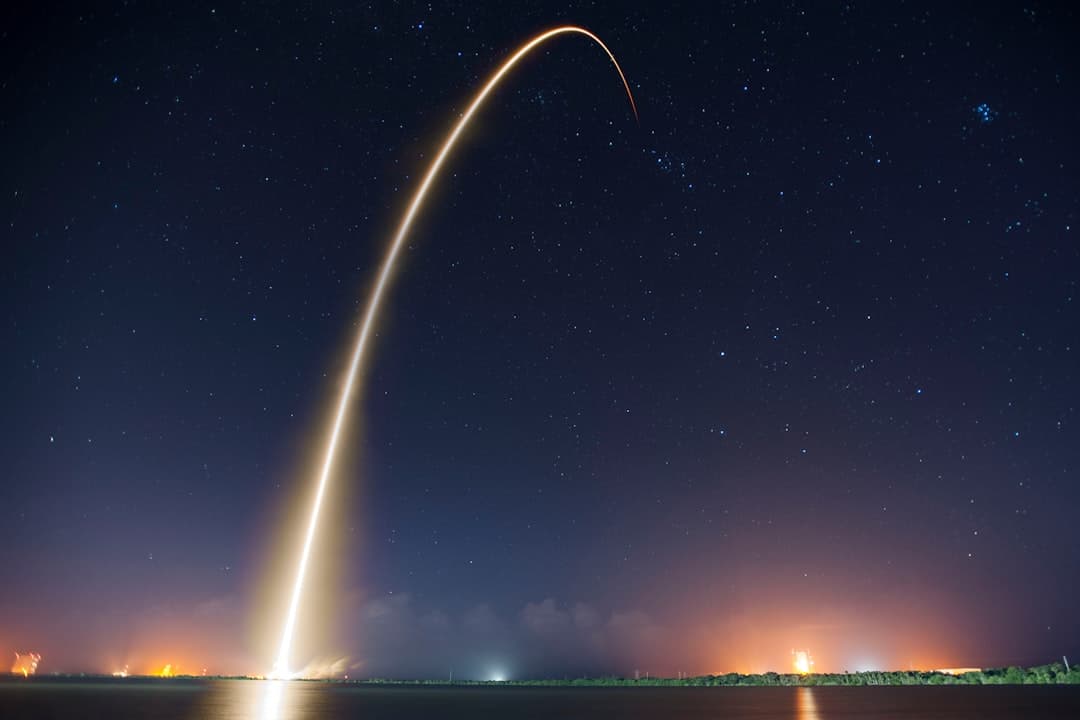
This success marks the first time humanity has purposefully changed the motion of a natural celestial body. It transforms planetary defense from a theoretical concept into a practical tool kit. If a rogue asteroid were ever detected on a collision course with Earth, we now have a verified blueprint for how to deflect it using kinetic impactors.
“We are no longer passive observers of the cosmos; we are active participants in managing our local solar neighborhood.”
Moving forward, this technology will be refined as the primary shield for our planet. While the risk of a major asteroid impact is low on a human timescale, the ability to intervene removes the element of helplessness from our astronomical future. We are no longer passive observers of the cosmos; we are active participants in managing our local solar neighborhood.
Cosmic Billiards, Confirmed
The Brief
Stay curious
AI and technology: what changes and why it matters.
Your daily selection, in English or Spanish.
Free forever. Unsubscribe anytime.
More stories




Conversation
Start the conversation