
 The Specialty News
Leopold Aschenbrenner and the Art of Profiting From the Apocalypse
How to turn existential dread into a $5.5 billion hedge fund strategy

In the Valley, the standard path to wealth is to convince the world that you are building the future. Leopold Aschenbrenner took a more cynical, and ultimately more profitable, shortcut: he decided to sell the shovels while warning everyone that the gold mine is about to explode. After being fired from OpenAI for allegedly leaking documents, he didn't retreat into obscurity—he turned his 'Situational Awareness' into a $5.5 billion bet on the physical reality behind the digital hype.
The Cassandra Hedge Fund
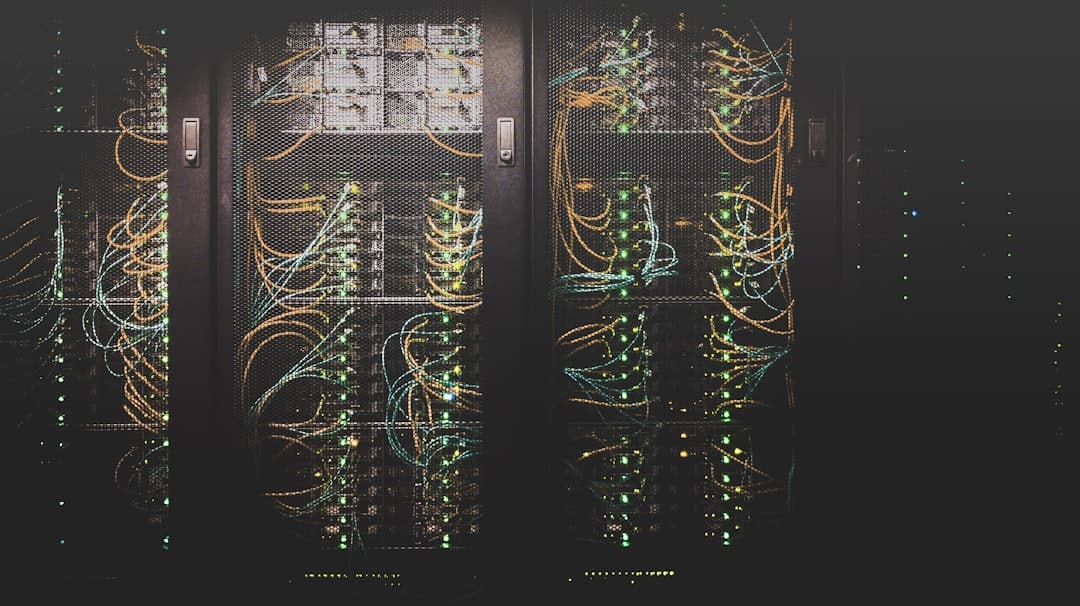
Aschenbrenner’s central thesis is that we are on a collision course with Artificial General Intelligence by 2027, and that current security measures are akin to locking a screen door to keep out a state-sponsored cyber army. While the rest of the tech world was busy debating the ethics of chatbots, Aschenbrenner was quietly filing SEC disclosures showing his fund was gorging on Bloom Energy, CoreWeave, and Core Scientific. He isn't betting on the software models—he’s betting on the fact that those models need an ungodly amount of electricity and specialized compute to survive.
“if you scream 'the building is burning' loud enough, people will pay you to sell them the fire extinguishers.”
It is a masterful pivot from the 'safety researcher' persona to the ruthless macro-strategist. Critics might call it exploitation; investors call it a 47% return in the first half of 2025. By framing his investments as necessary infrastructure for a national security emergency, he has effectively commodified the panic surrounding the AI arms race. He proved that if you scream 'the building is burning' loud enough, people will pay you to sell them the fire extinguishers.
The New Rules of Power

The lesson here is simple: in the modern tech economy, the real power isn't in the lines of code, but in the access to the grid. Aschenbrenner’s portfolio reveals the strange convergence of Bitcoin mining, which was once the darling of the anti-establishment, and the hyper-centralized, state-dependent future of AGI. These firms held the literal power lines and land that tech giants now crave, and Aschenbrenner simply identified that these assets were the true bottleneck of the next decade.
Ultimately, Aschenbrenner’s story isn't about the dangers of AI—it's about the incentives of the people who study them. Whether he truly believes in his apocalyptic manifesto or not is irrelevant to his net worth. He understood that the only thing more reliable than a tech bubble is the infrastructure required to keep it inflated. In a world of 'meritocracy,' the winners aren't the ones who build the most profound machines, but the ones who own the power plants that keep them running.
Selling Fire Extinguishers
The Brief
Stay curious
AI and technology: what changes and why it matters.
Your daily selection, in English or Spanish.
Free forever. Unsubscribe anytime.
More stories

Conversation
Start the conversation