
 The Specialty News
Dubai Real Estate Faces Unprecedented Pressure Amid Regional Conflict
As transaction volumes slide by 45%, the city’s status as a global safe haven is being tested by 1,800 projectiles and a new reality of war risk.
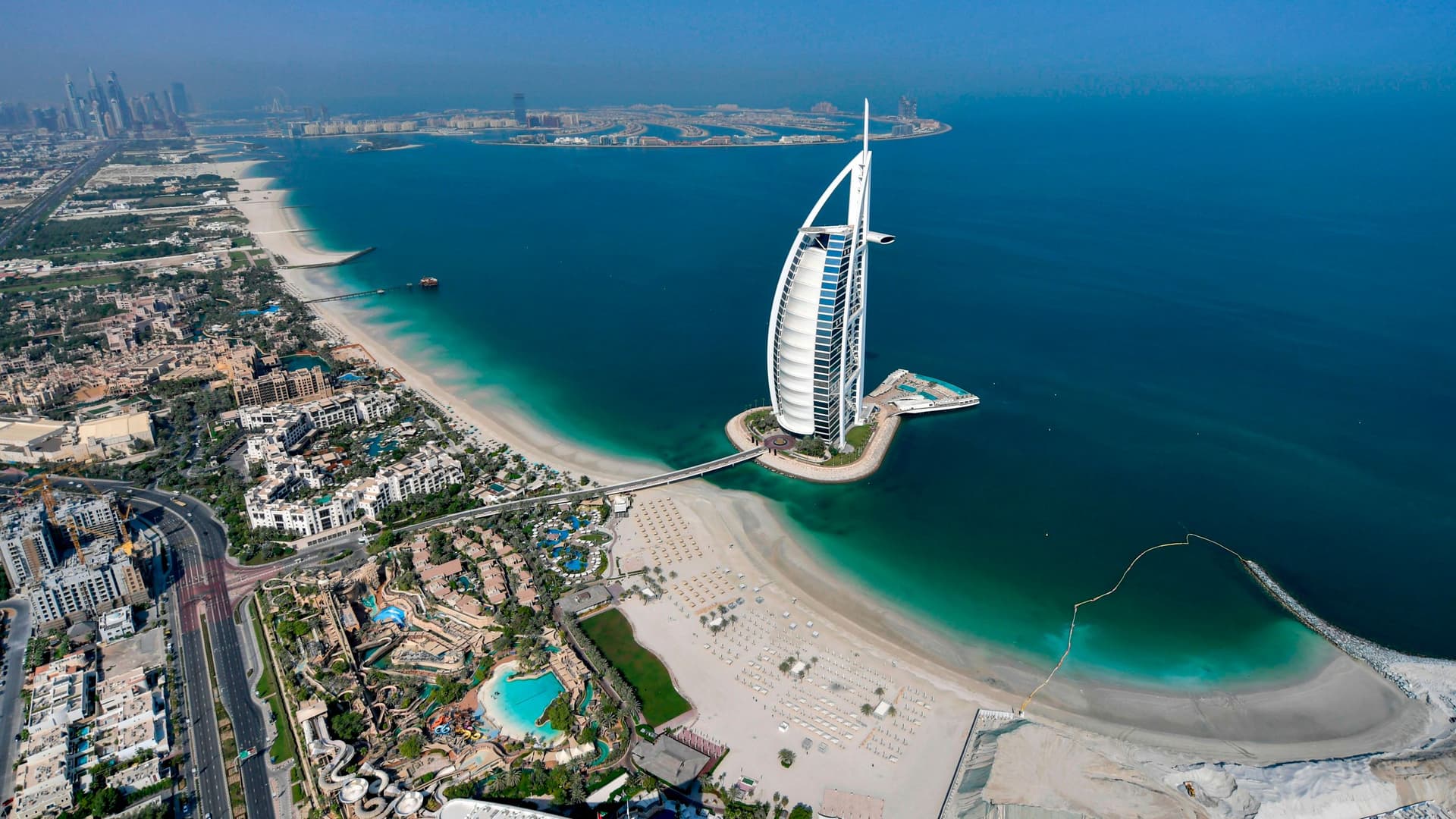
When the sirens sound, the rules of wealth change instantly. For decades, Dubai has pitched itself to the world as an impenetrable fortress of capital, a place where money is safe from the turbulence of the wider Middle East. Today, that narrative is colliding with the brutal reality of an escalating conflict that has seen over 1,800 projectiles fired at the UAE in just 17 days.
The Cracks in the Concrete
Social media rumors of an immediate '33% crash' in the Dubai property market are likely overstating the current price reality, but they capture the correct sentiment: the market is reeling. Transaction volumes have plummeted, with a 45% decline observed in the first week of March compared to February. Investors, traditionally drawn to Dubai’s neutrality and tax-free status, are now pausing as the city deals with direct drone strikes on infrastructure near Dubai International Airport and the Fujairah oil hub.
While high-net-worth individuals and corporate entities have historically provided a buffer for the market, the 'war risk' premium has officially arrived. Major financial analysts, including those at S&P Global, are flagging the significant pressure on asset valuations. The city is no longer just competing against interest rates or supply cycles; it is fighting to maintain its reputation as a global business harbor while the Strait of Hormuz remains a flashpoint of international instability.
The Digital Asset Argument
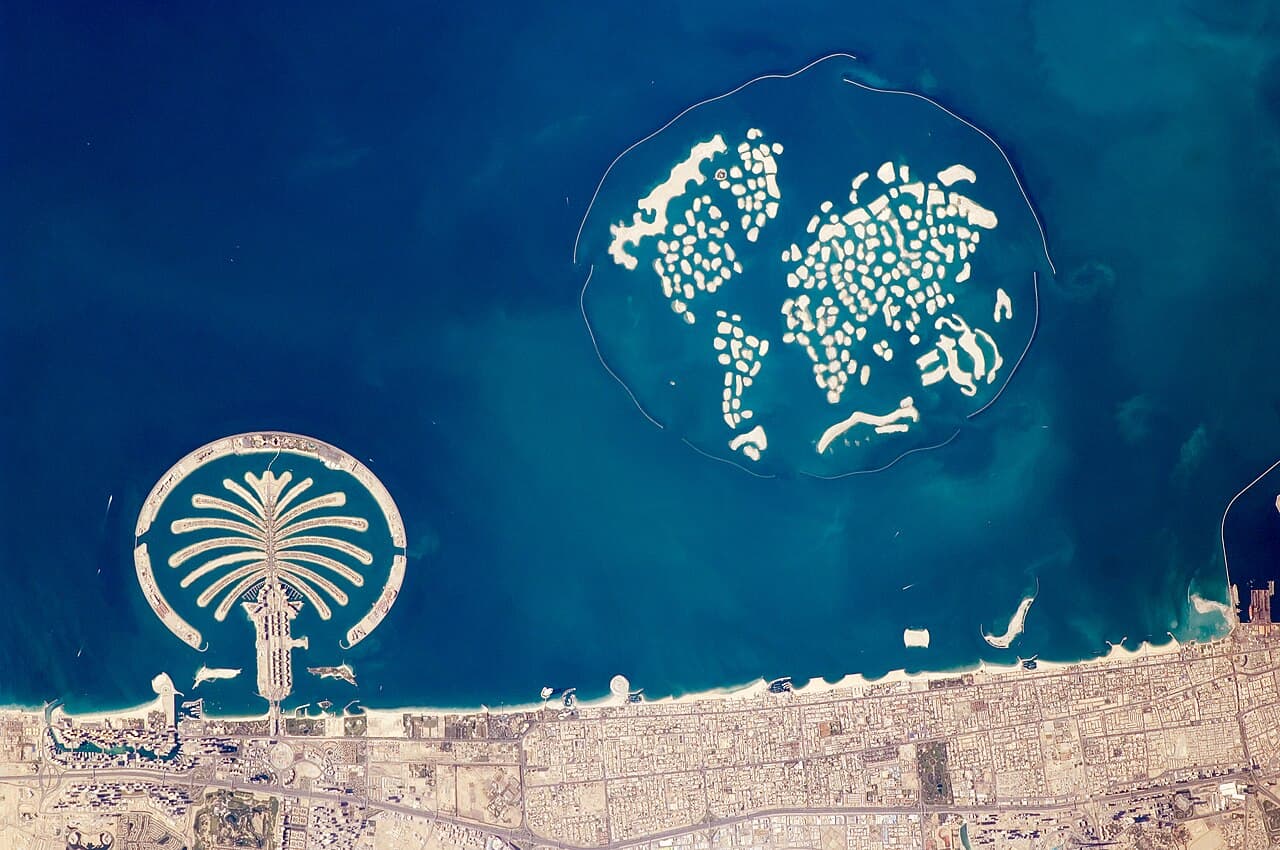
The current chaos has reignited an old debate about the portability of wealth. In an era where physical assets—like a luxury villa or a fleet of cars—can be trapped behind borders or destroyed by drones, the argument for decentralized, digital-first assets has found a grim new audience. While it is dangerous to view any single asset class as a panacea during a military conflict, the narrative shift among investors is palpable: if you can't carry it, is it truly yours?
“if you can't carry it, is it truly yours?”
Going forward, the Dubai market will serve as a definitive case study on how luxury hubs adapt to systemic, existential threats. The era of assuming frictionless growth in the region is over, replaced by a climate where geopolitical awareness is just as vital as reading a balance sheet. The future of the city's real estate market doesn't just depend on its architecture; it depends on the restoration of a stability that, for now, remains out of reach.
When the Fortress Shakes
The Brief
Stay curious
AI and technology: what changes and why it matters.
Your daily selection, in English or Spanish.
Free forever. Unsubscribe anytime.
More stories





Conversation
Start the conversation