Beyond the Buzz: Decoding Apple’s Multi-Day Launch Strategy
Tim Cook’s week-long reveal signals a major shift for the Mac lineup.

When Tim Cook took to social media to announce a "big week ahead," the tech world took notice. Eschewing the traditional glitz of a single-day stage event, Apple is moving toward a staggered release schedule starting Monday morning. This shift suggests a dense roadmap of updates that require more breathing room than a ninety-minute presentation allows.
The Strategic Pivot to Rolling Reveals
For years, the tech giant has relied on the "one more thing" magic of live keynotes. However, the decision to spread announcements across several days indicates a confidence in the breadth of the current hardware cycle. By spacing out news, Apple ensures each product—likely including the MacBook Pro, iMac, and a redesigned Mac mini—receives its own dedicated news cycle without being overshadowed.
This approach also mirrors the way modern consumers digest information. Rather than a firehose of specs in a single afternoon, a week-long cadence keeps the brand at the top of trending topics for several days. It turns a product launch into a cultural event that builds momentum, allowing reviewers and enthusiasts to focus on specific architectural gains with each passing day.
Industry analysts suggest this move is particularly effective for the M4 chip rollout. As the transition to the next generation of silicon reaches its peak, highlighting the performance differences across different form factors becomes a complex story. A multi-day rollout provides the narrative space to explain why a desktop-class chip in a portable device matters to the average user.
Hardware Expectations and the M4 Milestone
The centerpiece of this "big week" is undoubtedly the expansion of the M4 chip family. While the iPad Pro debuted the base M4 earlier this year, the Mac lineup is expected to showcase the Pro and Max variants. These chips represent a significant leap in neural processing power, specifically designed to handle the demands of "Apple Intelligence," the company's new suite of AI tools.
The most anticipated hardware update remains the Mac mini, which is rumored to be undergoing its first major design overhaul in over a decade. Reports suggest a footprint significantly smaller than the current model, potentially approaching the size of an Apple TV set-top box. This redesign highlights Apple’s ability to pack high-performance silicon into increasingly compact thermal envelopes.
Meanwhile, the MacBook Pro and iMac are expected to see iterative but important refinements. For the MacBook Pro, this likely includes a base RAM increase to 16GB, finally moving away from the 8GB standard that has frustrated professional users for years. These updates collectively reinforce Apple's dominance in the high-end computing market, focusing on efficiency and AI-readiness for a new generation of creators.
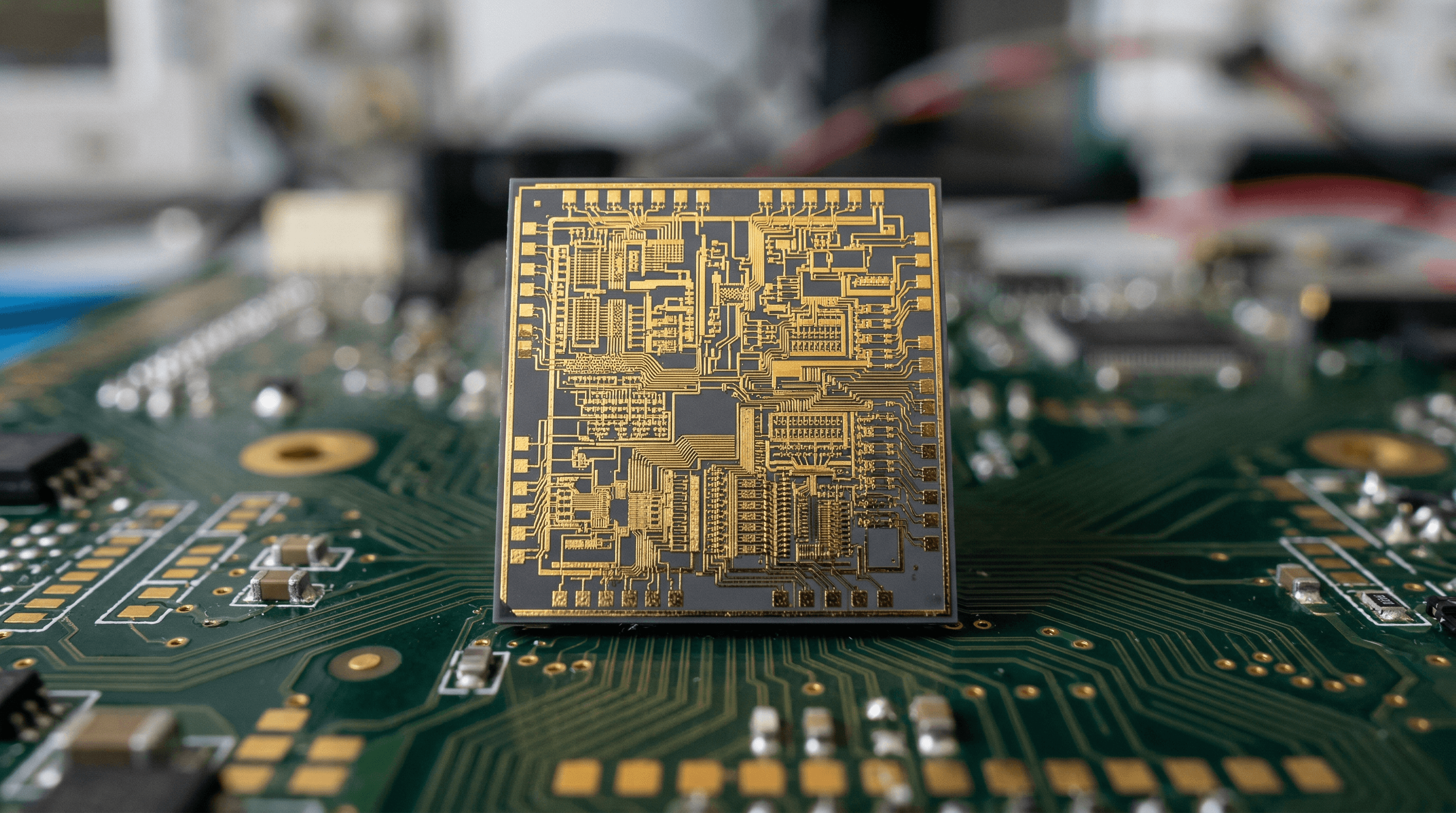
Apple Launch Week Strategy
Small Model, Big Brain: The Rise of Qwen 3 0.6B
Alibaba Cloud's Qwen 3 0.6B brings complex reasoning and multilingual mastery to mobile devices, challenging the industry's obsession with size.
Powering the Frontier: Inside the $300 Billion Vera Rubin Expansion
OpenAI and NVIDIA have solidified a landmark deal to deploy up to 10 gigawatts of power capacity on the next-gen Vera Rubin platform, signaling a historic shift in AI infrastructure.
The Physical AI Inflection Point: Why 2026 is the Year of the Humanoid
2026 marks a historic shift as Vision-Language-Action models transform robots from rigid machines into intelligent partners capable of learning by demonstration.